
Short Answer
Overview of the Euro Prize in Astrophysics
Recently, three distinguished astrophysicists were honored with the esteemed Euro Prize, a recognition celebrating their pioneering contributions to unraveling the universe’s complex structure. This award highlights a transformative shift in astrophysical research, marking a new era in the exploration of cosmology, gravitation, and the fundamental nature of reality. Their groundbreaking work not only advances scientific understanding but also influences broader societal perspectives on the cosmos.
Innovative Perspectives on Cosmic Structure
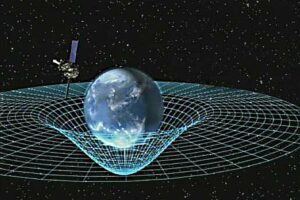
The core of these scientists’ achievements lies in their fresh conceptualization of the universe’s architecture. While classical cosmological theories, rooted in early 20th-century physics, have long dominated the field, recent enhancements in observational technology have necessitated a critical reassessment of these models. By integrating principles from quantum mechanics, Einstein’s general relativity, and cutting-edge astronomical observations, the trio has formulated a novel cosmological framework that challenges the conventional Big Bang theory.
Reevaluating Dark Matter and Dark Energy
A significant focus of their research involves a new interpretation of dark matter and dark energy, mysterious constituents believed to make up most of the universe. Utilizing sophisticated computer simulations alongside data from extensive cosmic surveys, they demonstrated that the interactions between these dark components and ordinary (baryonic) matter are more intricate than previously thought. Their results imply that gravitational phenomena attributed to dark matter might stem from a more complex set of forces, potentially requiring modifications to our current understanding of gravity.
Exploring Additional Spatial Dimensions
Another groundbreaking proposition from their work is the possibility that the universe extends beyond the familiar three spatial dimensions. They advocate for a dynamic model incorporating extra dimensions, a hypothesis that has sparked lively debate within the scientific community. Proponents argue that this approach could bridge the gap between quantum mechanics and general relativity, while critics urge caution, emphasizing the need for empirical validation before embracing such theories.
Methodological Advances in Astrophysical Research
The research team employed advanced statistical methods and machine learning techniques to process and analyze enormous datasets collected from telescopes and satellite missions. These computational tools have become essential in modern astrophysics, where traditional analysis struggles to keep pace with the volume and complexity of data. By applying these algorithms, the scientists identified anomalies in established models, enabling them to refine their hypotheses and correct longstanding misconceptions.
Implications for Technology and Interdisciplinary Collaboration
Their findings have practical ramifications beyond theoretical physics. Innovations stemming from this research could impact technologies such as satellite navigation systems, GPS accuracy, and the development of quantum computing. Recognizing the interconnectedness of these fields, the scientists emphasize the importance of collaboration among physicists, computer scientists, and engineers. This interdisciplinary synergy promises to accelerate progress in both fundamental science and applied technologies.
Societal and Philosophical Significance
Beyond scientific circles, the insights offered by these astrophysicists provoke profound reflections on humanity’s place in the cosmos. Their work challenges traditional views and invites philosophical contemplation about existence, knowledge, and purpose. By reshaping our cosmic perspective, they inspire curiosity and wonder, potentially motivating future generations to pursue scientific inquiry and innovation.
Public Engagement and the Role of Scientific Communication
The Euro Prize also underscores the critical role of public outreach in science. Effectively translating complex astrophysical concepts into accessible narratives is vital for fostering widespread interest and understanding. Initiatives such as public lectures, interactive exhibits, and digital media platforms serve as essential bridges between researchers and the general public, enhancing appreciation for the relevance and excitement of contemporary astrophysics.
Impact on Scientific Funding and Research Priorities
Recognition through prestigious awards like the Euro Prize elevates the visibility of astrophysics within the broader scientific community and society. Public support, often influenced by such accolades, plays a crucial role in securing funding for space exploration, observational projects, and innovative research endeavors. Consequently, these honors not only validate individual achievements but also advocate for sustained investment in scientific advancement.
Conclusion: A New Chapter in Cosmic Exploration
The recent accolade awarded to these three astrophysicists symbolizes more than personal achievement; it reflects the evolving landscape of astrophysical research. Their reexamination of the universe’s structure challenges established doctrines and encourages a holistic approach that integrates diverse scientific disciplines. This dynamic progression, filled with both challenges and opportunities, heralds an exciting phase in humanity’s quest to comprehend the cosmos in all its complexity.
In an age characterized by rapid technological and intellectual growth, the narrative of astrophysics continues to unfold. The inquiries sparked by this research deepen our cosmic understanding and invigorate the collective scientific endeavor to expand the frontiers of human knowledge. As these visionary scientists navigate uncharted territories, they invite society to partake in this exhilarating journey of discovery.
FAQ
What is the Euro Prize in Astrophysics?
The Euro Prize in Astrophysics recognizes pioneering contributions that significantly advance the understanding of the universe.
What are the main scientific achievements recognized by this award?
The award recognizes new models of cosmic structure, reinterpretations of dark matter and dark energy interactions, and hypotheses about extra spatial dimensions.
How do these astrophysicists use technology in their research?
They utilize machine learning algorithms and statistical tools to analyze large datasets from telescopes and satellite missions.
Why is interdisciplinary collaboration important in this field?
Combining physics, computer science, and engineering accelerates both theoretical understanding and practical technological applications.


Leave a Reply