

Short Answer
Definition of MRI and Its Safety Considerations
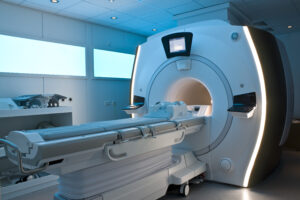
Magnetic Resonance Imaging (MRI) is a groundbreaking diagnostic tool that produces highly detailed images of the body’s internal structures without requiring invasive techniques. Unlike imaging methods such as X-rays or CT scans that use ionizing radiation, MRI relies on powerful magnetic fields and radiofrequency waves to visualize tissues. However, the presence of metal within or on the body introduces significant safety concerns due to the strong magnetic environment involved in MRI procedures.
Fundamental Principles of MRI Technology
MRI operates by exploiting the magnetic properties of hydrogen atoms abundant in the human body. When exposed to a strong magnetic field, these hydrogen nuclei align with the field. Radiofrequency pulses then stimulate the nuclei, causing them to emit signals as they return to their original alignment. These signals are captured and processed to create detailed images of internal anatomy. The presence of metallic objects can interfere with this process, potentially causing image distortion and posing physical hazards.
Pre-MRI Screening Protocols for Metal Detection
Before undergoing an MRI scan, patients undergo a thorough screening process designed to identify any metallic objects that could compromise safety or image quality. This screening typically includes:
- Detailed Medical Questionnaire:
Patients provide comprehensive information about their medical history, including any surgeries or implants such as pacemakers, cochlear devices, orthopedic hardware, or dental work. These items vary in their interaction with magnetic fields and may influence MRI eligibility. - Visual and Physical Inspection:
Patients are asked to remove all external metal items like jewelry, watches, hair accessories, and clothing containing metallic fibers. This step prevents potential hazards and reduces image artifacts caused by external metal.
Impact of Internal Metallic Implants on MRI Safety
The presence of metal inside the body requires careful evaluation before MRI scanning. Factors influencing safety include the type, location, and magnetic properties of the implant:
- Ferromagnetic Materials:
Metals such as iron, cobalt, and nickel are strongly attracted to magnetic fields and can become dangerous projectiles within the MRI environment. - Non-Ferromagnetic Implants:
Materials like titanium exhibit minimal magnetic interaction, often allowing safer MRI procedures. - Device Compatibility:
Older implants, especially pacemakers, may not be MRI-compatible due to risks of malfunction. Modern devices are frequently designed to be “MRI-safe” or “MRI-conditional,” permitting scans under specific protocols.
Collaborative Evaluation and Decision-Making
Determining whether a patient with metal implants can safely undergo MRI involves multidisciplinary coordination. Radiologists, referring physicians, and device manufacturers often collaborate to assess risks and establish appropriate safety measures. This individualized approach ensures patient safety while maximizing diagnostic benefits.
Technological Advances and Expanding MRI Accessibility
Recent innovations in MRI technology have broadened the scope of patients eligible for scanning despite the presence of metal implants. Enhanced imaging techniques and safety protocols now accommodate a wider range of devices, reducing previous limitations. Ongoing research continues to push the boundaries of MRI safety, aiming to include even more patients with metallic implants in the future.
Handling Unexpected Metal Discoveries During MRI Preparation
In some cases, previously unreported metal implants or foreign bodies may be identified just before the MRI procedure. When this occurs, medical staff follow strict protocols to reassess safety, which may involve postponing the scan or opting for alternative imaging methods. This vigilance underscores the dynamic and cautious nature of MRI safety management.
Addressing Patient Concerns and Enhancing Understanding
Patients often experience anxiety about the presence of metal during MRI appointments. Educating patients about the rigorous screening and safety measures in place can alleviate fears. Understanding that these protocols protect both patient well-being and image quality helps foster trust and cooperation during the diagnostic process.
Why Metal Screening Before MRI Is Crucial
Screening for metallic objects prior to MRI is essential to prevent serious injuries, ensure accurate imaging, and maintain the integrity of diagnostic results. This process safeguards patients and healthcare providers alike, enabling the full potential of MRI technology to be realized in clinical practice.
Summary and Future Outlook
The question of whether medical teams check for metal before an MRI scan encompasses a complex interplay of safety, technology, and patient care. Although the screening procedures may seem extensive, they are vital for protecting patients and optimizing diagnostic accuracy. As MRI technology continues to evolve, future advancements promise even greater inclusivity for patients with metal implants and further enhancements in medical imaging capabilities.
FAQ
Do they check for metal stuff in you before an MRI?
Yes, screening for metal is a standard safety procedure before MRI to avoid risks related to magnetic interference and physical harm.
What types of metal implants can affect MRI safety?
Ferromagnetic implants like those containing iron or older pacemakers are risky, whereas titanium implants are generally safer.
How is metal screening conducted before an MRI?
Through detailed medical history questionnaires and physical checks to remove external metal objects.
Can MRI be performed on patients with metal implants?
It depends on the implant type; modern MRI-safe or MRI-conditional devices can often be scanned with proper protocols.




Leave a Reply