
Short Answer
Understanding Astronauts’ Perspectives on Interstellar
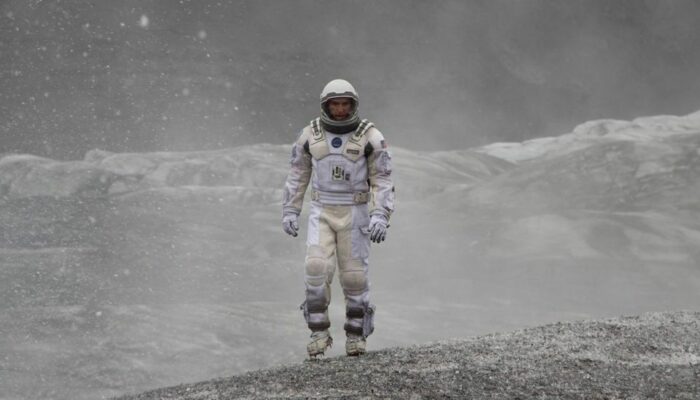
Exploring the vastness of space through cinema offers a unique blend of imagination and scientific inquiry. Christopher Nolan’s Interstellar captivated not only general viewers but also astronauts-individuals who have firsthand experience beyond Earth’s atmosphere. Their reactions to the film reveal a complex mix of fascination, critique, admiration, and introspection, uncovering deeper layers that transcend mere visual spectacle to touch on existential and scientific themes.
Interstellar as a Metaphorical and Scientific Journey
Interstellar serves as more than just a space adventure; it acts as a metaphorical black hole, drawing audiences into profound themes such as time dilation, the transcendent power of love, and humanity’s urgent fight for survival. For astronauts, who have witnessed the vast emptiness of space, the film presents a nuanced balance between factual science and artistic interpretation. Their intimate understanding of space’s indifferent beauty and harsh realities tempers the awe inspired by the movie’s cosmic portrayal.
The Paradox of Human Existence in the Universe
Astronauts find in Interstellar a compelling allegory of human endeavor. The film encapsulates the paradox of individual insignificance against the infinite cosmos, while simultaneously highlighting the profound influence a single life can exert across time. Although dramatized, the depiction of space travel resonates with their own experiences-marked by relentless exploration and survival in environments that defy earthly logic.
Scientific Foundations and Authenticity in the Film
One of the film’s distinctive appeals to astronauts lies in its incorporation of scientific concepts such as wormholes, black holes, and relativistic time dilation. These elements are rooted in theoretical physics and were developed with consultation from experts, lending credibility to the narrative. This scientific grounding strikes a chord with astronauts, who live by the principles governing these cosmic phenomena. The film’s strength lies not only in its visual spectacle but also in its earnest engagement with complex scientific ideas.
Human Emotions and the Psychological Dimension
Beyond scientific accuracy, astronauts often reflect on the film’s exploration of human emotions. The portrayal of love as a force transcending time and space, while speculative, resonates deeply with those who have experienced the emotional challenges of spaceflight. Themes of separation from loved ones, the pull of home, and the solitude of space travel mirror the lived realities of astronauts. Interstellar dramatizes these feelings through its protagonist’s enduring affection, capturing the intangible emotional connections that sustain spacefarers.
Temporal Displacement and Narrative Structure
The film’s shifting timelines between Earth and space echo the disorienting experience of astronauts who grapple with time dilation and the disconnect between mission duration and life back home. This narrative technique reflects the temporal distortions inherent in space travel, serving as metaphors for the sacrifices and emotional complexities embedded in the profession. Astronauts recognize and appreciate this cinematic attempt to portray such subtle realities.
Critiques and Realities of Space Travel
Despite its many strengths, astronauts acknowledge that Interstellar takes artistic liberties. They point out that actual space missions involve monotony, rigorous procedures, and physical challenges that the film often glosses over in favor of romanticized adventure. The realities of weightlessness, prolonged isolation, and the physical toll of space are far more demanding than the movie suggests. Nevertheless, astronauts value the film’s role in sparking public interest and inspiring future generations to explore space.
Visual Representation and Cosmic Scale
The film’s stunning visuals-depicting a rotating black hole, alien landscapes, and cosmic phenomena-resonate with astronauts who have observed Earth from orbit. These images evoke a profound awareness of the planet’s fragility and the vastness of the universe. The grandeur portrayed in Interstellar reinforces the existential stakes of humanity’s survival and exploration, making the film’s themes palpably real for those who have witnessed the cosmos firsthand.
Psychological Themes and Ethical Reflections
Astronauts often engage with the film’s psychological undercurrents, including isolation, ethical dilemmas surrounding survival and sacrifice, and reflections on humanity’s future in space. While dramatized, these themes invite sincere contemplation rather than mere escapism. Interstellar becomes a reflective canvas for astronauts to project their hopes, fears, and philosophical questions about human existence in the cosmic context.
Summary of Astronauts’ Reception of Interstellar
The response from astronauts to Interstellar is layered and multifaceted. They recognize the film’s artistic exaggerations but are captivated by its ambition to merge advanced scientific concepts with the enduring human spirit. The movie stands as a luminous example of science fiction cinema that encourages reflection on humanity’s place in the universe, bridging poetic imagination with the tangible realities faced by space explorers.
The Enduring Significance of Interstellar for Spacefarers
Ultimately, Interstellar symbolizes humanity’s unyielding quest to comprehend the cosmos and ourselves. For astronauts, it transcends entertainment to become a mirror reflecting their extraordinary journeys-a poignant narrative about resilience, connection, and the indomitable human heart navigating the silent infinity of space.
FAQ
What do astronauts think of the film 'Interstellar'?
'Interstellar' is appreciated for its mix of scientific principles and emotional depth, though astronauts note it takes artistic liberties.
How does 'Interstellar' incorporate scientific concepts?
The film includes elements like wormholes and black holes, consulting physicists to ensure a degree of scientific accuracy.

Leave a Reply