
Short Answer
Definition of Active NASA Space Missions
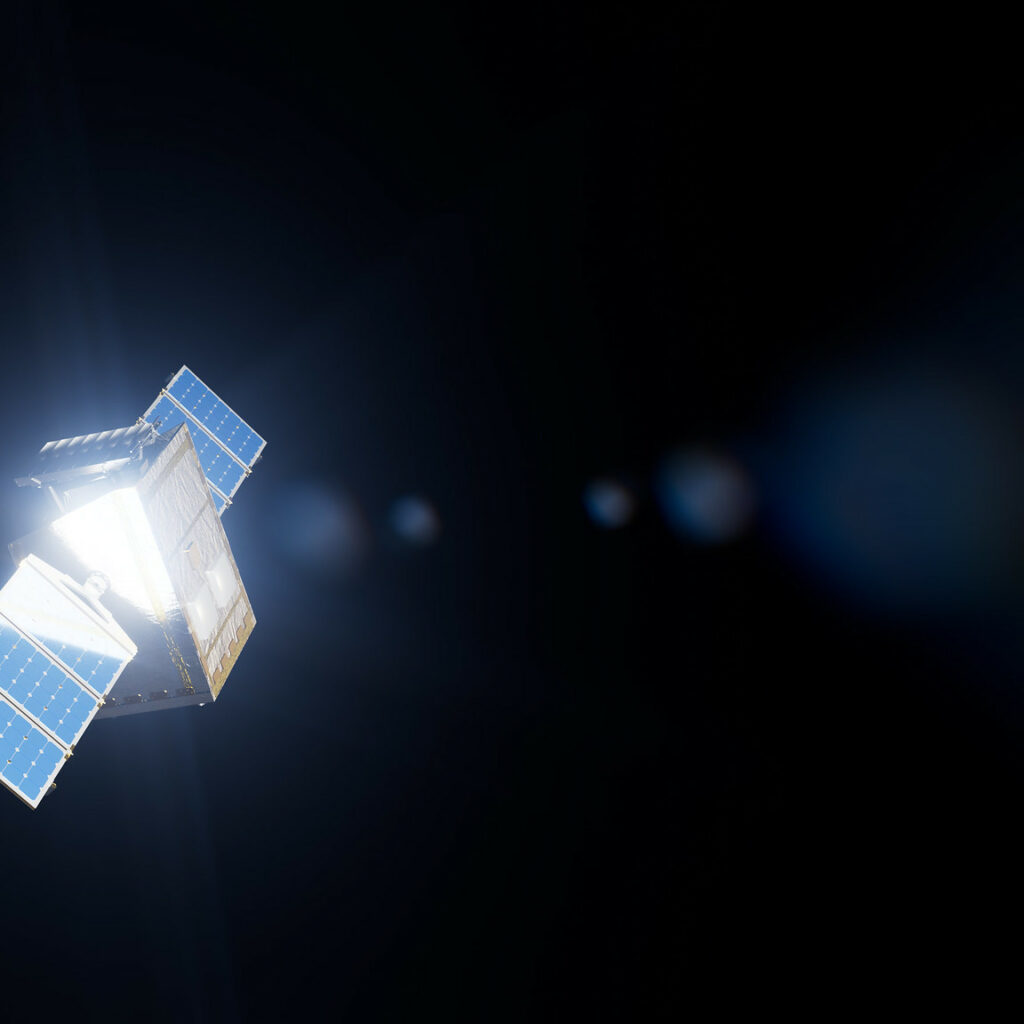
Active NASA space missions refer to ongoing exploratory projects and spacecraft that continue to operate beyond Earth, gathering scientific data and expanding our understanding of the universe. These missions range from satellites orbiting Earth to probes venturing into interstellar space, each contributing uniquely to the collective knowledge of space science and technology.
Overview of NASA’s Current Space Exploration Efforts
NASA’s space exploration is an unceasing journey driven by human curiosity and technological innovation. Over decades, NASA has launched numerous missions targeting various celestial bodies and phenomena. While some missions have concluded, many remain operational, persistently collecting valuable information that shapes our comprehension of the cosmos. These active missions span a wide spectrum-from Earth observation platforms and space telescopes to interplanetary rovers and deep-space probes.
Earth-Orbiting Missions and Their Contributions
Close to home, a fleet of satellites and telescopes orbit Earth, serving as vital tools for both planetary and astronomical research.
- Hubble Space Telescope:
Since its deployment in 1990, Hubble has been a cornerstone of astronomical observation. Despite its age, it continues to deliver stunning images and critical data on phenomena such as star formation and the accelerating expansion of the universe, thanks to periodic servicing missions and robust engineering. - International Space Station (ISS):
Orbiting roughly 250 miles above Earth, the ISS is a multinational laboratory where scientists conduct experiments in microgravity. Continuously inhabited since 2000, it provides insights into human physiology in space, tests new materials, and supports biological research essential for future deep-space missions.
Exploration Beyond Earth Orbit
NASA’s ventures extend far beyond Earth’s immediate vicinity, with probes and rovers exploring distant planets and the outer reaches of the Solar System.
- Voyager 1 and Voyager 2:
Launched in 1977, these spacecraft have journeyed beyond the heliosphere into interstellar space, offering unprecedented data about the environment outside the Sun’s influence. Despite diminishing power and increasing communication delays, they continue to transmit valuable scientific information. - Mars Perseverance Rover and Ingenuity Helicopter:
Since landing on Mars in 2021, Perseverance has been investigating the planet’s geology, climate history, and potential signs of past life. Accompanied by the Ingenuity helicopter, it demonstrates innovative mobility and aerial reconnaissance on the Martian surface, paving the way for future sample-return missions and human exploration. - Lunar Reconnaissance Orbiter (LRO):
Operating since 2009, the LRO maps the Moon’s surface in high detail, studies radiation levels, and identifies resources. Its data supports NASA’s Artemis program, which aims to establish a sustainable human presence on the Moon.
Next-Generation Observatories
New technological marvels are redefining our cosmic perspective.
- James Webb Space Telescope (JWST):
Launched recently in collaboration with international partners, JWST is designed to peer through cosmic dust and observe the earliest galaxies and stars. Its mission promises to revolutionize our understanding of the universe’s origins and evolution.
Supporting Missions and Their Roles
In addition to headline missions, numerous smaller satellites and probes perform essential functions such as Earth monitoring, space weather observation, and technology testing. These less-publicized missions are critical to maintaining a continuous flow of scientific data and advancing space exploration capabilities.
How Active Missions Operate in Challenging Environments
Operating in space involves overcoming extreme conditions such as vacuum, radiation, and vast distances. NASA’s active missions employ advanced engineering solutions, autonomous systems, and international cooperation to maintain functionality and transmit data back to Earth. These missions often face power constraints, communication delays, and harsh environments but continue to deliver groundbreaking scientific results.
Scientific and Technological Impact of Active NASA Missions
Each ongoing mission contributes significantly to science and technology:
- Advancing Knowledge:
They provide insights into planetary formation, cosmic phenomena, and the potential for life beyond Earth. - Technological Innovation:
Missions drive the development of new instruments, robotics, and communication technologies. - Human Exploration:
Data from these missions inform future crewed missions to the Moon, Mars, and beyond.
Common Misconceptions About NASA’s Active Missions
All space missions end shortly after launch.
Many NASA missions operate for decades, continuously providing valuable data long after their initial objectives.
Only large, high-profile missions matter.
Smaller satellites and probes play crucial roles in Earth observation, technology testing, and space weather monitoring.
Why Ongoing Space Missions Are Crucial
Active NASA missions are fundamental to expanding humanity’s cosmic horizon. They not only deepen scientific understanding but also inspire technological progress and international collaboration. These missions lay the groundwork for future exploration, ensuring that humanity remains at the forefront of space discovery and innovation.
Looking Ahead: The Future of NASA’s Space Exploration
As technology evolves, new missions will build upon the legacy of current explorers. The enduring nature of these projects highlights a continuous human endeavor to unravel the mysteries of the universe, pushing the limits of what is possible and redefining our place in the cosmos.
FAQ
What are NASA's active space missions?
NASA's active space missions are ongoing projects that gather scientific data from various celestial bodies and contribute to our understanding of the universe.
How long do NASA missions typically last?
Many NASA missions operate for decades, often exceeding their initial objectives and continuing to provide valuable data.




Leave a Reply