Gamma-Ray Shaping Could Lead to Nuclear Quantum Computers

Definition of Gamma-Ray Shaping in Quantum Computing Gamma-ray shaping refers to the innovative technique of manipulating the temporal and spatial characteristics of gamma photons to control quantum states with exceptional precision. Originating from nuclear physics and materials science, this emerging technology aims to revolutionize quantum computing by enabling new computational frameworks that surpass the capabilities […]
Read More →

What quantum computers can do?

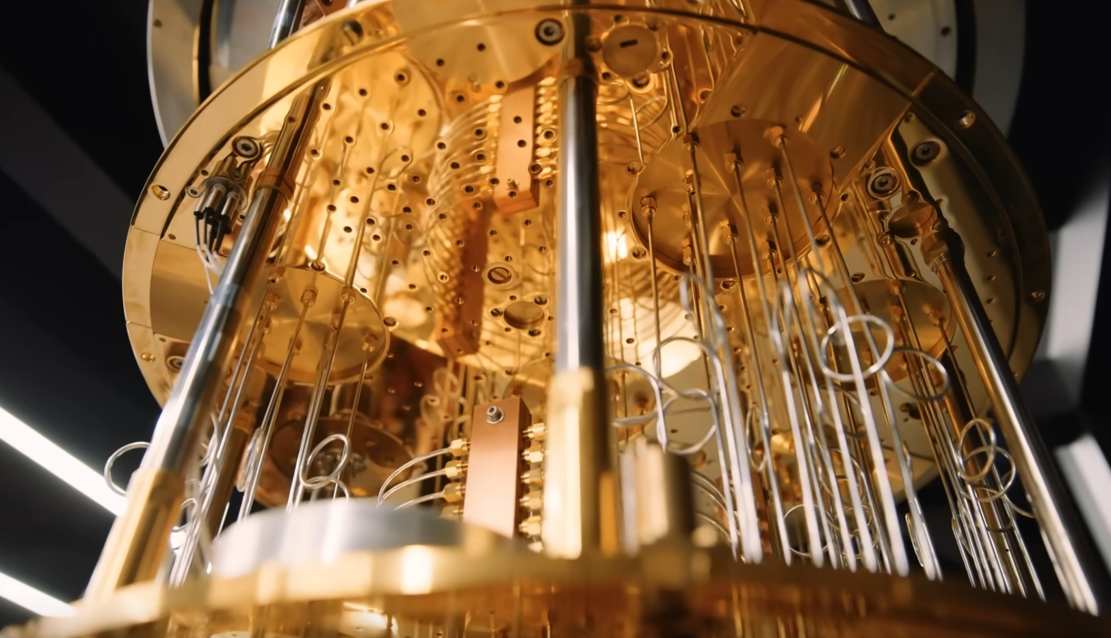
Understanding Quantum Computing Quantum computing signifies a revolutionary approach to processing information, utilizing the principles of quantum mechanics to tackle problems that are either infeasible or extremely time-consuming for classical computers. This innovative technology has the potential to transform numerous fields, including cryptography, drug development, and complex system simulations. This article delves into the core […]

Read More →

Are topological quantum computers completely fault tolerant?

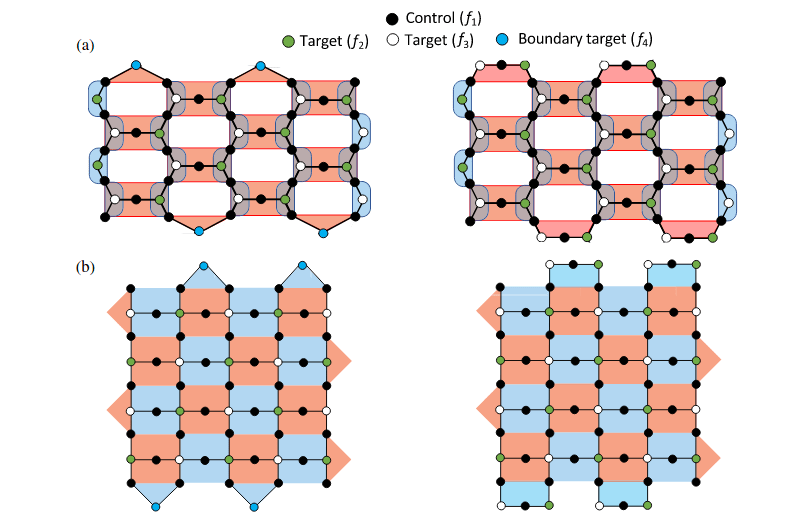
Understanding Fault Tolerance in Quantum Computing Fault tolerance in quantum computing refers to the system’s capacity to operate correctly despite the presence of errors or faults. Unlike classical computers that use bits with definite states of 0 or 1, quantum computers employ qubits, which can exist simultaneously in multiple states due to superposition. This unique […]

Read More →

Will quantum computers break your classical computer code?

Understanding Classical and Quantum Computing Computing technology has undergone a profound transformation with the advent of quantum computing. While classical computers form the backbone of today’s digital infrastructure, quantum computing introduces a fundamentally different approach to processing information. To appreciate the potential impact of quantum machines on classical systems, it is crucial to first understand […]

Read More →

Are photonic computers faster than quantum computers?

Understanding Photonic and Quantum Computing In the evolving realm of computational technology, a fascinating debate centers on the comparative capabilities of photonic computers versus quantum computers. Both technologies emerge from the foundations of classical computing but diverge significantly in their operational principles and prospective uses. This article delves into whether photonic computing can outperform quantum […]

Read More →

Do quantum computers really work?

Definition of Quantum Computing Quantum computing is an advanced discipline that merges principles from physics and computer science to revolutionize computational technology. Unlike traditional computing, which relies on binary bits, quantum computing utilizes quantum bits or qubits that can exist in multiple states simultaneously, offering a fundamentally different approach to processing information. Qubits: The basic […]

Read More →

Are photonic computers faster than quantum computers?

Understanding Photonic and Quantum Computing As computational technology advances, the comparison between photonic and quantum computing intensifies. Both approaches leverage unique physical phenomena to address complex computational problems, yet they operate on fundamentally different principles. This article explores the operational strengths and limitations of each technology, assessing whether photonic computers can outperform quantum computers in […]

Read More →

Should we be fearful of Quantum Computers?

Understanding Quantum Computing Quantum computing represents a groundbreaking evolution in technology, distinguished by its ability to solve problems that are currently beyond the reach of classical computers. Unlike traditional computers that process information in binary bits-either 0 or 1-quantum computers utilize quantum bits, or qubits, which can exist in multiple states simultaneously due to the […]

Read More →

What is the capacity of Google’s quantum computers?

Definition of Quantum Computing Capacity Quantum computing capacity refers to the overall ability of a quantum computer to perform computations by leveraging the principles of quantum mechanics. This capacity is influenced by several key factors, including the number and quality of qubits, coherence times, error rates, and the efficiency of quantum algorithms. Unlike classical computers […]

Read More →

Do Quantum Computers Need Electricity? Let’s Power Up That Answer

Definition of Quantum Computing and Its Energy Requirements Quantum computing represents a revolutionary paradigm in computational technology, distinguished by its use of quantum bits or qubits instead of classical bits. Unlike traditional computers that operate on binary states of 0 and 1, quantum computers exploit the principles of quantum mechanics, enabling qubits to exist simultaneously […]

Read More →