

Short Answer
Definition of Man-Made Radiation
Man-made radiation refers to ionizing radiation produced through human activities rather than natural sources. This type of radiation arises from various technological, medical, industrial, and occupational processes, contributing to the overall radiation exposure experienced by individuals and populations worldwide.
- Sources:
Includes medical imaging, nuclear energy production, industrial applications, consumer products, and aviation-related exposure. - Types:
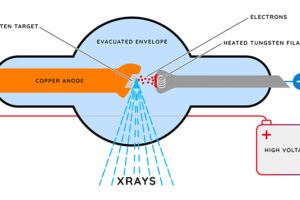
Primarily involves X-rays, gamma rays, and radioactive isotopes generated or utilized in human activities.
Primary Sources of Man-Made Radiation
Medical Imaging as the Leading Contributor
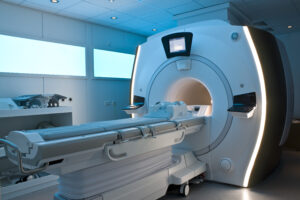
The predominant source of artificial radiation exposure stems from medical diagnostic procedures. Techniques such as X-rays and computed tomography (CT) scans are extensively employed to detect and monitor diseases, playing a vital role in modern healthcare. These imaging methods, endorsed by professional bodies like the American College of Radiology and the Radiological Society of North America, provide critical insights that improve patient outcomes.
While individual X-ray examinations deliver relatively low doses of radiation, the cumulative effect of multiple scans can significantly increase a patient’s total exposure. CT scans, in particular, emit substantially higher radiation doses compared to conventional X-rays due to their detailed cross-sectional imaging capabilities. Research indicates that a single CT scan may expose a patient to radiation equivalent to hundreds of chest X-rays, underscoring the importance of tracking prior imaging to avoid unnecessary repetition.
Occupational Exposure to Radiation
Certain professions inherently involve higher radiation exposure risks. Workers such as radiologists, nuclear power plant personnel, and firefighters frequently operate in environments where ionizing radiation is present. To mitigate these risks, stringent safety measures-including lead shielding and continuous monitoring of radiation doses-are implemented. Despite these precautions, cumulative occupational exposure can surpass that of the general public, necessitating ongoing regulatory oversight and education on radiation safety protocols.
Nuclear Energy and Radiation Emissions
Nuclear power generation represents a significant source of man-made radiation, offering a low-carbon energy alternative. During routine operations, nuclear facilities release minimal amounts of radioactive isotopes into the environment, tightly regulated by agencies like the U.S. Nuclear Regulatory Commission (NRC). However, rare but severe incidents, such as the Fukushima nuclear disaster, highlight the potential for large-scale radiation release, emphasizing the delicate balance between energy production and public safety.
Industrial and Consumer Product Sources
Various industries incorporate radioactive materials into their manufacturing processes, contributing to man-made radiation exposure. Common consumer items such as smoke detectors, luminous watches, and older television sets contain radioactive substances. While these products offer practical benefits, they also pose challenges in terms of safe disposal and waste management, requiring comprehensive regulatory frameworks to address potential environmental and health risks.
Aviation-Related Radiation Exposure
Exposure to cosmic radiation increases with altitude, making airline crew members and frequent flyers subject to elevated radiation levels compared to ground-level populations. Although the doses encountered during flights are generally lower than those from medical imaging, this form of exposure represents a unique intersection of occupational and travel-related radiation risks. Aviation authorities and airlines are actively developing guidelines to monitor and minimize radiation exposure for flight personnel.
Mechanisms of Radiation Exposure and Health Implications
Ionizing radiation interacts with biological tissues by depositing energy that can damage cellular structures and DNA. The extent of harm depends on the radiation dose, duration of exposure, and individual susceptibility. While low-level exposures, such as those from diagnostic imaging, are generally considered safe when properly managed, cumulative or high doses increase the risk of adverse health effects, including cancer and tissue damage.
Regulatory Frameworks and Safety Principles
Governance of man-made radiation exposure involves a complex network of international and national agencies. Organizations like the International Atomic Energy Agency (IAEA) and the World Health Organization (WHO) establish guidelines to limit radiation doses for both the public and occupational groups. Central to these regulations is the ALARA principle-“As Low As Reasonably Achievable”-which promotes minimizing unnecessary exposure while balancing the benefits of radiation use in medicine, industry, and energy production.
Public Perception and Education
The societal understanding of radiation is often shaped by a mix of apprehension and recognition of its medical and technological advantages. Public fear surrounding radiation can influence policy and personal decisions, sometimes overshadowing its beneficial applications. Educational initiatives aimed at clarifying the science behind radiation exposure help demystify risks and empower individuals to make informed choices regarding healthcare and occupational safety.
Common Misconceptions About Man-Made Radiation
All radiation exposure is equally harmful.
The health impact depends on the dose and type of radiation; low-level exposures, such as those from medical imaging, are carefully controlled to minimize risk.
Nuclear power plants constantly emit dangerous radiation.
Under normal operations, emissions are minimal and strictly regulated to protect public health.
Frequent flyers receive harmful radiation doses comparable to medical procedures.
Although cosmic radiation exposure increases with altitude, the doses are generally much lower than those from diagnostic imaging.
Importance of Understanding Man-Made Radiation
Comprehending the sources, risks, and benefits of man-made radiation is crucial for advancing public health, occupational safety, and technological innovation. Medical imaging’s role in early disease detection saves countless lives, while nuclear energy contributes to sustainable power generation. Effective regulation, safety practices, and public education ensure that radiation’s advantages are harnessed responsibly, minimizing potential harm and fostering societal progress.
Summary
Medical diagnostic imaging stands as the foremost source of artificial radiation exposure, supplemented by occupational environments, nuclear energy production, industrial applications, consumer products, and aviation. The interplay between the beneficial uses of radiation and its inherent risks necessitates vigilant regulatory oversight, adherence to safety protocols, and informed public engagement. Ongoing research and dialogue remain essential to optimizing radiation use for the betterment of humanity while safeguarding health and the environment.
FAQ
What is the largest source of man-made radiation exposure?
Medical diagnostic imaging, especially X-rays and CT scans, is the largest source of man-made radiation exposure.
Are nuclear power plants a major source of radiation exposure to the public?
Under normal operations, nuclear power plants emit minimal radiation that is strictly regulated to protect public health.
Does flying frequently expose a person to dangerous levels of radiation?
While cosmic radiation exposure increases with altitude, the doses received by frequent flyers are generally much lower than those from medical imaging procedures.
What safety measures protect workers exposed to radiation occupationally?
Workers use lead shielding, wear dosimeters, and follow strict safety protocols to minimize radiation exposure.
What is the ALARA principle in radiation safety?
ALARA stands for ‘As Low As Reasonably Achievable’ and promotes minimizing radiation exposure while balancing its benefits.



Leave a Reply