GLAST Blasts Off in Search of Gamma Rays

Definition of GLAST and Gamma-Ray Astronomy The Gamma-ray Large Area Space Telescope (GLAST) is a cutting-edge space observatory launched to investigate the high-energy universe through the detection of gamma rays. Gamma rays represent the most energetic form of electromagnetic radiation, originating from some of the universe’s most extreme and dynamic events. These photons are produced […]
Read More →

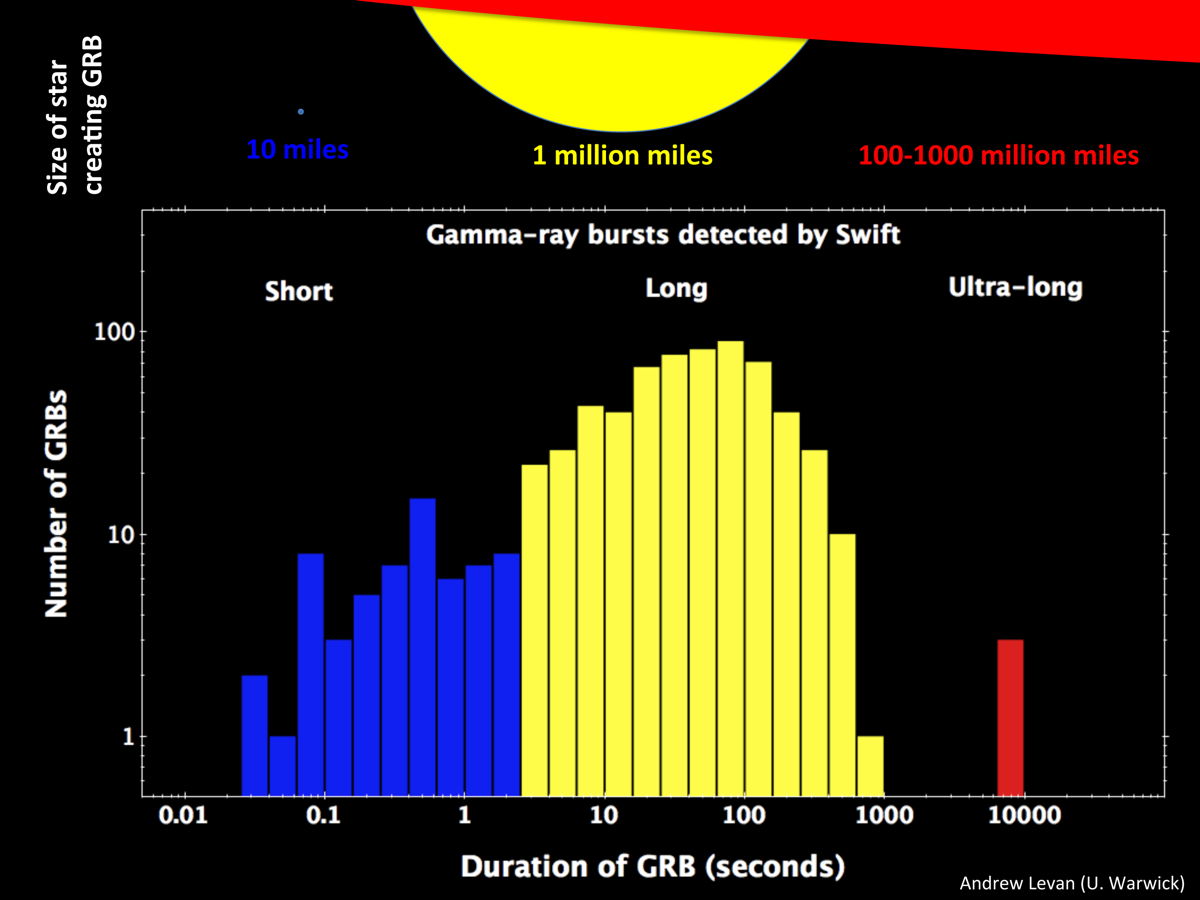
Ghostly Gamma Rays: Faint Bursts at the Edge of Space

Definition of Gamma Rays Gamma rays represent the highest-energy segment of the electromagnetic spectrum, characterized by their extremely short wavelengths and immense penetrating power. These rays are a form of ionizing radiation, capable of traversing vast cosmic distances and providing critical information about some of the universe’s most violent and energetic events. Energy Range: Gamma […]

Read More →

The Galaxy’s New Records

Understanding the Cosmos and Its Fascination The universe has long been a source of wonder and inspiration, fueling both scientific investigation and philosophical reflection. Our galaxy, the Milky Way, along with its neighboring celestial bodies, continues to reveal extraordinary galactic phenomena that invite deeper exploration. Recent discoveries have set new benchmarks in our cosmic knowledge, […]

Read More →

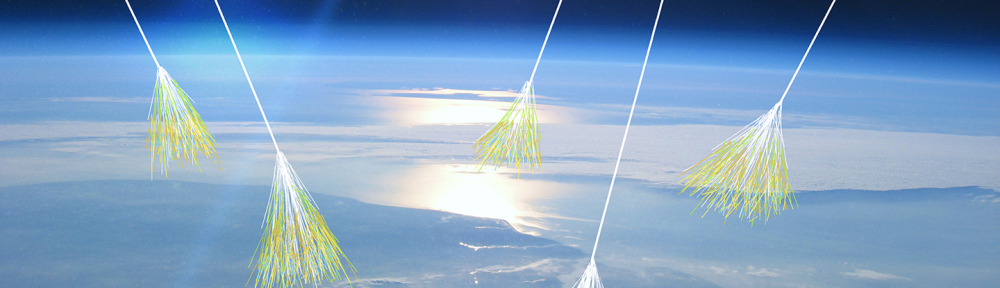
Do Cosmic Rays Get Stuck in Space?

Definition of Cosmic Rays Cosmic rays are highly energetic particles that travel through outer space at nearly the speed of light. These particles primarily originate from powerful astrophysical sources such as supernova explosions, neutron stars, and active galactic nuclei. Composed mostly of protons and atomic nuclei, cosmic rays interact with the interstellar medium and magnetic […]

Read More →

What is the source of cosmic rays?

Definition of Cosmic Rays Cosmic rays are highly energetic particles that continuously strike the Earth from outer space. These particles primarily consist of protons and atomic nuclei traveling at nearly the speed of light. They are categorized into two main types: primary cosmic rays, which originate from astrophysical sources beyond Earth, and secondary cosmic rays, […]

Read More →

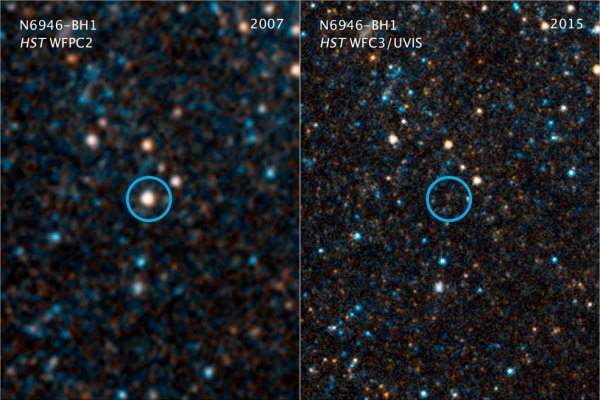
Astronomers Witness the Birth of a Black Hole

Definition of Black Holes and Stellar Evolution Black holes are extraordinary cosmic objects formed from the remnants of massive stars that have undergone gravitational collapse. These entities possess gravitational fields so intense that nothing, not even light, can escape their pull, rendering them invisible to direct observation. The formation of black holes is a critical […]

Read More →

Is space made of particles? – Cosmic Theory?

Understanding the Nature of Space The cosmos has long captivated the curiosity of scientists, philosophers, and visionaries, inspiring profound questions about the fundamental essence of space. Is space simply an empty void, or does it possess a tangible structure composed of particles? To explore this, one must delve into the complex relationship between space, matter, […]

Read More →

Ray Guns in Space: Cosmic Detectors Launched on Shuttle

Definition of Cosmic Rays and Their Detection Cosmic rays are highly energetic particles, predominantly protons and atomic nuclei, that originate from sources beyond Earth’s atmosphere. Traveling at speeds near that of light, these particles provide crucial information about the universe’s formation and the fundamental forces governing it. To study these elusive particles, scientists have developed […]

Read More →

Bountiful Buckyballs Found in Space: Solving an Interstellar Mystery

Definition of Buckyballs in Space Buckyballs, scientifically known as fullerenes or C60 molecules, are spherical carbon structures composed of 60 carbon atoms arranged in a pattern of pentagons and hexagons, resembling a soccer ball. These molecules exhibit exceptional stability and resilience, enabling them to persist in the extreme conditions of outer space. Their discovery in […]

Read More →

Cluster Formation Caught in Action: Cosmic Architecture Emerges

Definition of Cosmic Architecture and Galaxy Clusters Cosmic architecture refers to the grand-scale structural organization of the universe, showcasing the intricate patterns and order emerging from the vast cosmic expanse. Central to this architecture are galaxy clusters-massive assemblies of galaxies bound together by gravity. These clusters can contain hundreds to thousands of galaxies and act […]

Read More →