

Short Answer
Definition of the Most Distant Galaxy
The most distant galaxy ever detected represents a cosmic structure observed at an extraordinary distance, providing a glimpse into the universe’s earliest stages. This galaxy, known as GN-z11, is a celestial body composed of stars, gas, dust, and dark matter, located so far away that its light has traveled approximately 13.4 billion years to reach Earth. Studying such remote galaxies allows astronomers to investigate the conditions and processes that shaped the cosmos shortly after the Big Bang.
Significance of Galaxies in Cosmic Structure
Galaxies are the fundamental constituents of the universe, encompassing vast collections of stars, stellar remnants, interstellar medium, and dark matter. They typically form and evolve through gravitational interactions and mergers over billions of years. The discovery of GN-z11 offers a rare opportunity to observe galaxy formation during the universe’s infancy, roughly 400 million years after the Big Bang, shedding light on the primordial environment and the early assembly of cosmic structures.
Discovery and Observation Techniques
GN-z11 was initially identified using the Hubble Space Telescope, with subsequent observations refined by the Keck Observatory in Hawaii. Its redshift value of 11.09 corresponds to an immense distance of about 13.4 billion light-years, indicating that the light we detect today originated when the universe was in its nascent stages. This redshift measurement is crucial as it allows astronomers to peer back in time, effectively observing the universe as it existed over 13 billion years ago.
Implications for Galaxy Formation Theories
The existence of GN-z11 challenges traditional models of galaxy formation, which suggested a gradual buildup of galaxies over extended periods. Instead, GN-z11’s considerable size and brightness imply that rapid star formation and galaxy assembly occurred much earlier than previously believed. This necessitates a revision of astrophysical models to account for accelerated evolutionary processes in the early universe.
Rapid Star Formation
Despite its relatively small diameter of approximately 1,600 light-years, GN-z11 exhibits a star formation rate exceeding that of the Milky Way by more than tenfold. This intense activity suggests that early galaxies could have formed stars at unprecedented rates, prompting investigations into the astrophysical mechanisms-such as gas cooling and feedback effects-that might facilitate such vigorous stellar production.
Composition and Mass of GN-z11
Spectroscopic studies reveal that GN-z11 possesses a stellar mass comparable to our own Milky Way, despite its vast distance and early cosmic age. This finding indicates a surprisingly complex and mature structure of matter in the young universe, implying that the processes responsible for galaxy growth were already well established shortly after the Big Bang.
Connection to Dark Matter and Cosmic Evolution
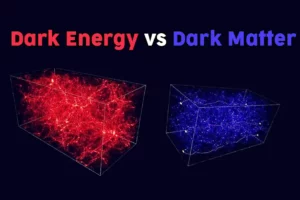
The study of GN-z11 also contributes to our understanding of dark matter, an invisible component inferred through its gravitational influence on visible matter and large-scale cosmic structures. Observations of such distant galaxies support theoretical models that incorporate dark matter as a critical factor in galaxy formation and the evolution of the universe’s large-scale architecture.
Technological Advances and Future Prospects
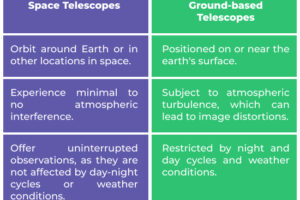
The detection of GN-z11 highlights both the capabilities and limitations of current astronomical instruments. While the Hubble Space Telescope and ground-based observatories have pushed the boundaries of cosmic observation, upcoming technologies like the James Webb Space Telescope promise to extend our reach even further. These advanced tools will enable astronomers to discover and analyze even more distant galaxies, deepening our comprehension of the universe’s formative epochs.
Philosophical and Scientific Importance
Exploring galaxies such as GN-z11 not only advances scientific knowledge but also inspires profound reflections on humanity’s place in the cosmos. The ability to observe light emitted billions of years ago underscores the remarkable progress of technology and enriches our understanding of cosmic history, fueling ongoing curiosity about the fundamental laws governing the universe.
Summary and Future Directions
The identification of GN-z11 marks a pivotal milestone in cosmology, compelling a reassessment of galaxy formation timelines and the role of dark matter in shaping the universe. Its unique characteristics open new avenues for research, bridging the gap between contemporary observations and the universe’s earliest moments. As astronomical technology evolves, the study of such distant galaxies will continue to illuminate the vast and intricate tapestry of cosmic evolution.
FAQ
What is GN-z11?
GN-z11 is the most distant galaxy ever detected, observed at a distance of about 13.4 billion light-years.
How was GN-z11 discovered?
It was initially identified using the Hubble Space Telescope and later observed with the Keck Observatory.
Why is GN-z11 significant?
Its discovery challenges traditional models of galaxy formation and provides insights into the conditions of the early universe.


Leave a Reply