
Short Answer
Definition of Telescopes as Time Machines
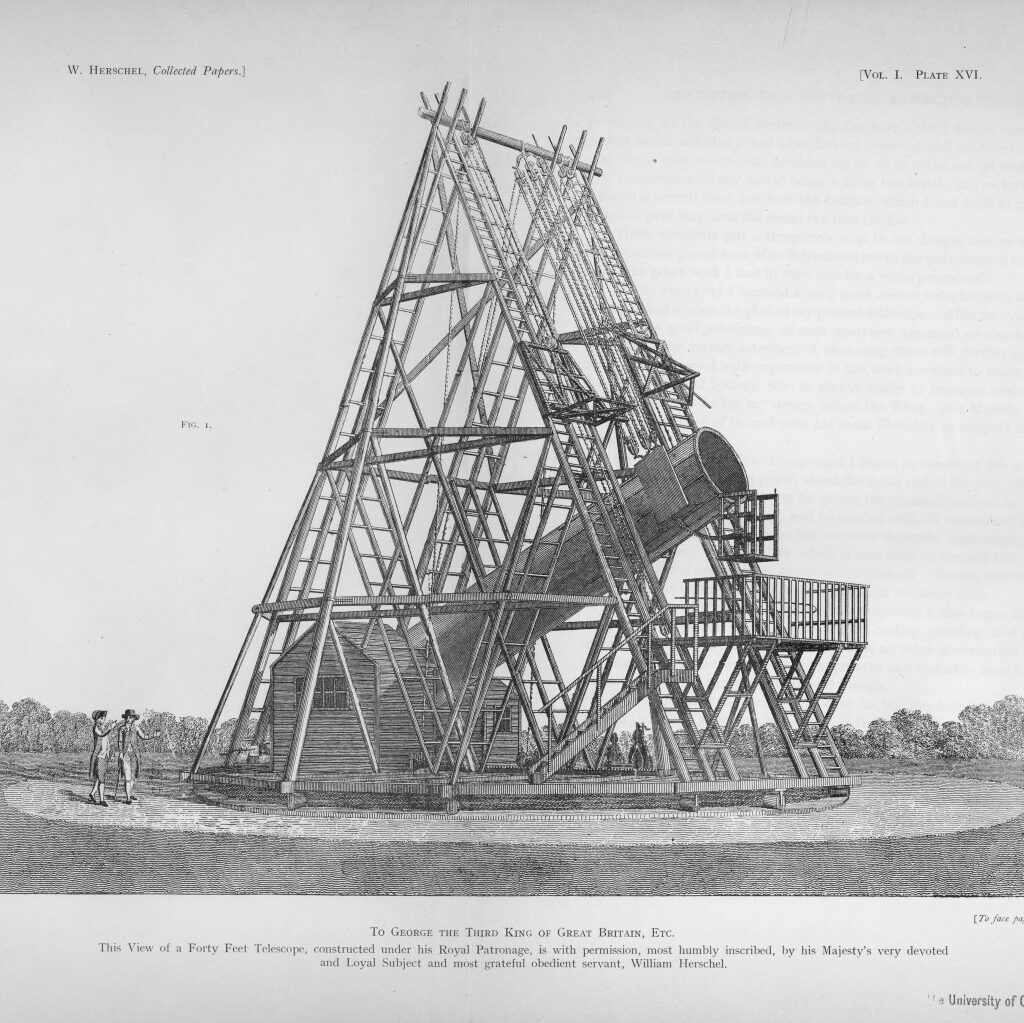
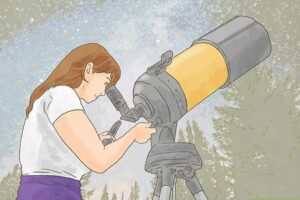
Telescopes are sophisticated optical instruments that allow us to observe distant celestial objects by collecting and magnifying light. Beyond their role as mere visual aids, telescopes function as portals through time, enabling us to see events that occurred in the distant past. This unique capability arises because the light captured by telescopes has traveled vast distances over extended periods, carrying with it information from epochs long gone.
The Nature of Light and Its Role in Cosmic Observation
Light serves as the fundamental medium through which we perceive the universe. Traveling at an extraordinary speed of approximately 186,282 miles per second (299,792 kilometers per second), light still requires significant time to cross the immense expanses separating stars, galaxies, and other cosmic phenomena. Consequently, when we observe a star or galaxy, we are actually seeing the object as it existed when the light first left it, not as it exists at the moment of observation.
- Speed of Light:
The constant velocity at which light travels sets the temporal framework for astronomical observations. - Light Travel Time:
The duration light takes to reach Earth from a celestial source determines how far back in time we are looking.
How Telescopes Reveal the Past
The principle that telescopes allow us to see into the past is rooted in the finite speed of light combined with the vast distances in space. For example, Proxima Centauri, the closest star beyond our Sun, is about 4.24 light-years away. This means the photons we detect today from Proxima Centauri began their journey over four years ago. As we observe objects farther away, such as distant galaxies, the light we receive may have traveled billions of years, effectively showing us the universe’s ancient history.
Optical Design and Light Collection
Telescopes are engineered to maximize the collection of faint light signals from distant sources. Their large apertures gather more photons than the human eye can, enabling the detection of dim and remote objects. Additionally, longer exposure times allow telescopes to accumulate more light, enhancing their ability to peer deeper into the cosmic past.
- Aperture Size:
Larger apertures collect more light, improving sensitivity to faint objects. - Exposure Time:
Extended observation periods increase the amount of light captured, revealing more distant and older phenomena.
Space-Based Telescopes and Atmospheric Effects
Observatories positioned beyond Earth’s atmosphere, such as the Hubble Space Telescope, avoid atmospheric distortion and light pollution, significantly improving image clarity and depth. These space telescopes have unveiled galaxies as they appeared hundreds of millions of years after the Big Bang, providing invaluable insights into the early universe’s formation and evolution.
Gravitational Lensing: Nature’s Cosmic Magnifier
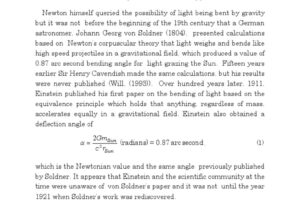
Gravitational lensing occurs when massive objects like galaxy clusters bend and magnify the light from even more distant sources behind them. This natural phenomenon acts as a cosmic magnifying glass, allowing telescopes to observe galaxies that would otherwise be too faint or distant to detect. By combining telescopic technology with gravitational lensing, astronomers extend their observational reach further back in time.
Scientific Significance of Observing the Past
Viewing ancient light is not merely an exercise in curiosity; it is fundamental to understanding the universe’s composition, structure, and destiny. By analyzing light from distant objects, scientists test theories about dark matter, dark energy, and cosmic expansion. These observations help reconstruct the universe’s history and refine models of its ongoing evolution.
Limitations and the Cosmic Horizon
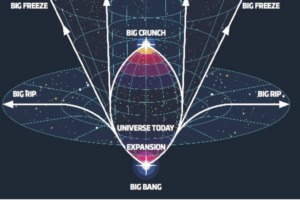
Despite their remarkable capabilities, telescopes can only observe a portion of the universe. The cosmic horizon marks the boundary beyond which light has not yet reached us due to the universe’s finite age and accelerating expansion. Thus, every telescopic image represents a limited but precious glimpse into the vast and dynamic cosmic narrative.
Why Telescopes Matter in Astronomy and Beyond
Telescopes serve as indispensable tools in humanity’s quest to comprehend the cosmos. By capturing light that has journeyed across space and time, they transform abstract scientific concepts into tangible observations. This ability to witness the universe’s past enriches our knowledge, inspires technological advancements, and deepens our appreciation of the cosmos’ grandeur and complexity.
Summary: Telescopes as Windows into Cosmic History
In essence, telescopes do more than display distant celestial objects; they unlock the universe’s historical record embedded in light. Each observation is a dialogue with the past, revealing the luminous echoes of events that shaped the cosmos. Through these instruments, humanity gains a profound connection to the universe’s origins and an enduring beacon guiding future exploration.
FAQ
Why can telescopes be considered time machines?
Telescopes allow us to see light from distant objects that has traveled vast distances, showing us how these objects looked in the past.
What is the speed of light?
The speed of light is approximately 186,282 miles per second (299,792 kilometers per second), which sets the temporal framework for astronomical observations.
What is gravitational lensing?
Gravitational lensing is a phenomenon where massive objects bend and magnify light, allowing telescopes to observe distant galaxies that would otherwise be too faint.
Leave a Reply