Could Carbon-60 Power the Next Generation of Particle Physics?

The exploration of fundamental particles and the forces governing them has long captivated the scientific community, propelling humanity into realms that challenge both our understanding and imagination. In this arena, the potential advent of a new beacon—carbon-60—may illuminate the path toward groundbreaking advancements in particle physics. Carbon-60, a molecule consisting of 60 carbon atoms arranged […]

Read More →

Could a knife made out of neutrinos split an atom?

The concept of a knife made out of neutrinos presents a fascinating thought experiment at the intersection of particle physics, material science, and the complexities of atomic structure. To embark on this intellectual journey, we must first comprehend the properties and behaviors inherent to neutrinos and disassemble the fundamental processes involved in atomic splitting. At […]

Read More →

Could there be a 4th particle in an atom?

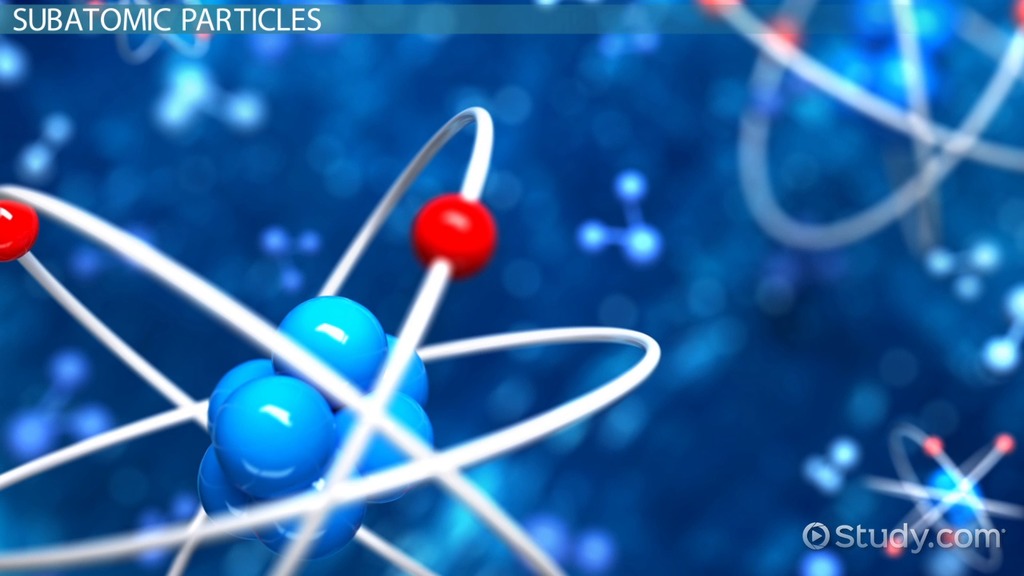
The very essence of matter is encapsulated within the microscopic realm of the atom, the foundational building block of all substances in the universe. Traditional atomic theory delineates the atom as consisting of three primary constituents: protons, neutrons, and electrons. Nonetheless, this classical framework evokes a tantalizing question—could there be a fourth particle lurking in […]

Read More →

Is cosmic radiation producible in a lab?

Cosmic radiation permeates our universe, originating from high-energy processes in the cosmos, and has garnered significant interest within the realms of both astrophysics and particle physics. This enlightening phenomenon presents a multifaceted subject of study, especially regarding its potential production in laboratory settings. Understanding cosmic radiation encompasses a multitude of factors, including its composition, detection […]

Read More →

Why are fundamental particles referred to as point particles?

In the realm of modern physics, the categorization of fundamental particles as point particles is a concept that elicits both intrigue and bewilderment. Why, one might ponder, are these elementary constituents of matter described as “point-like”? Certainly, this terminology invites a series of complex inquiries related to the very foundation of particle physics. At its […]

Read More →

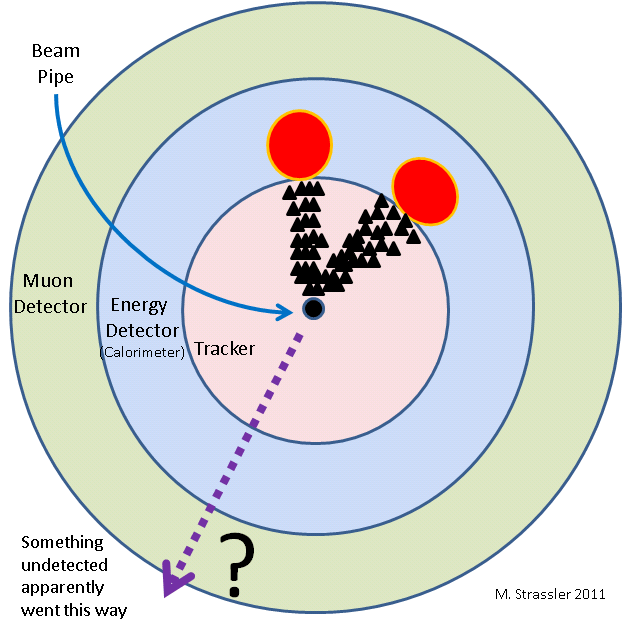
What is meant in particle physics by the term hermeticity?

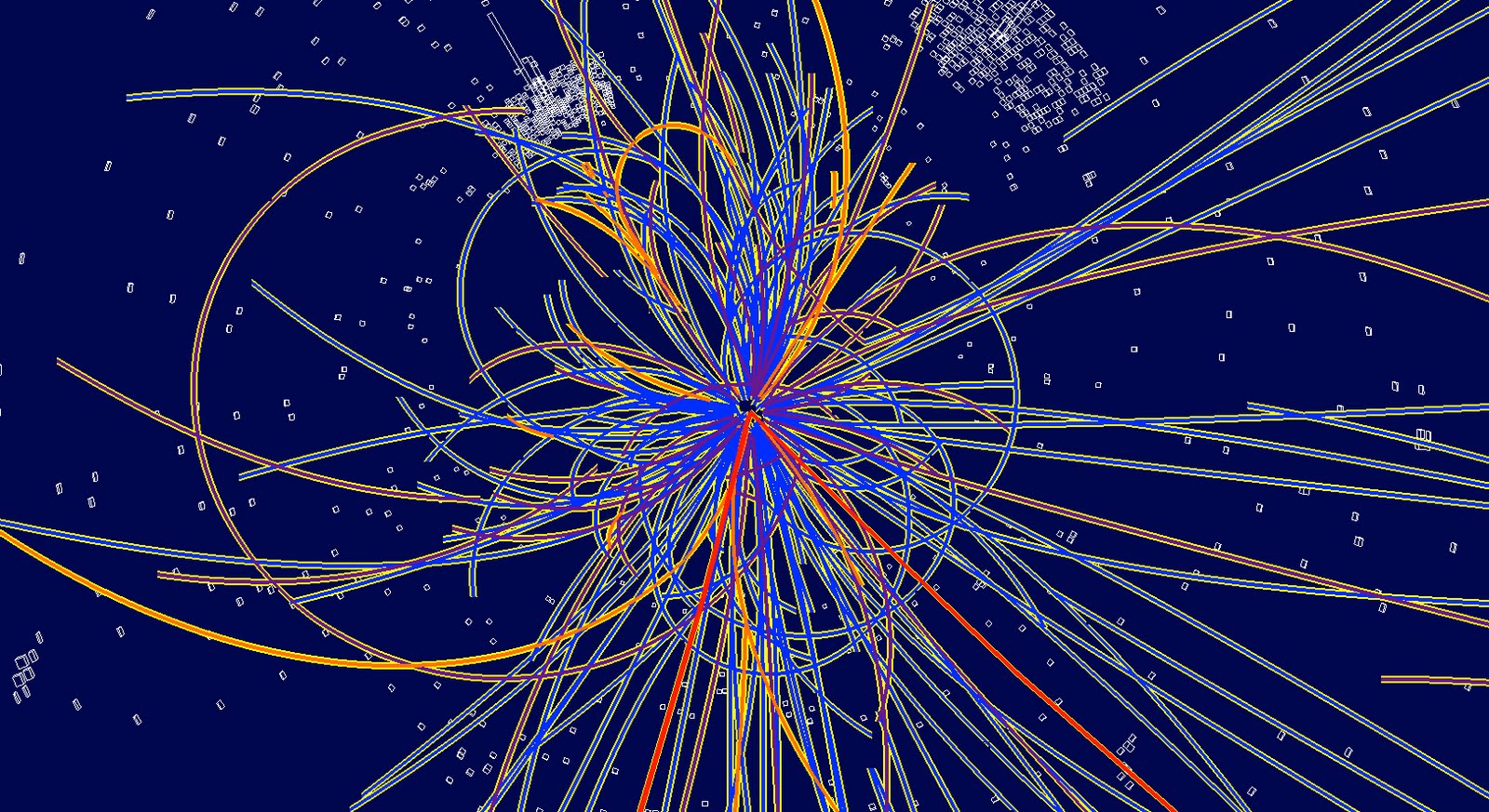
In the realm of particle physics, the term “hermeticity” emerges as a pivotal concept steeped in complexity and significance. Although often relegated to the periphery of public discourse, hermeticity encapsulates essential principles that govern the behavior of particles and fields at a fundamental level. This article delves into the nuances of hermeticity, its implications for […]

Read More →

What is it like to be an experimental particle physicist?

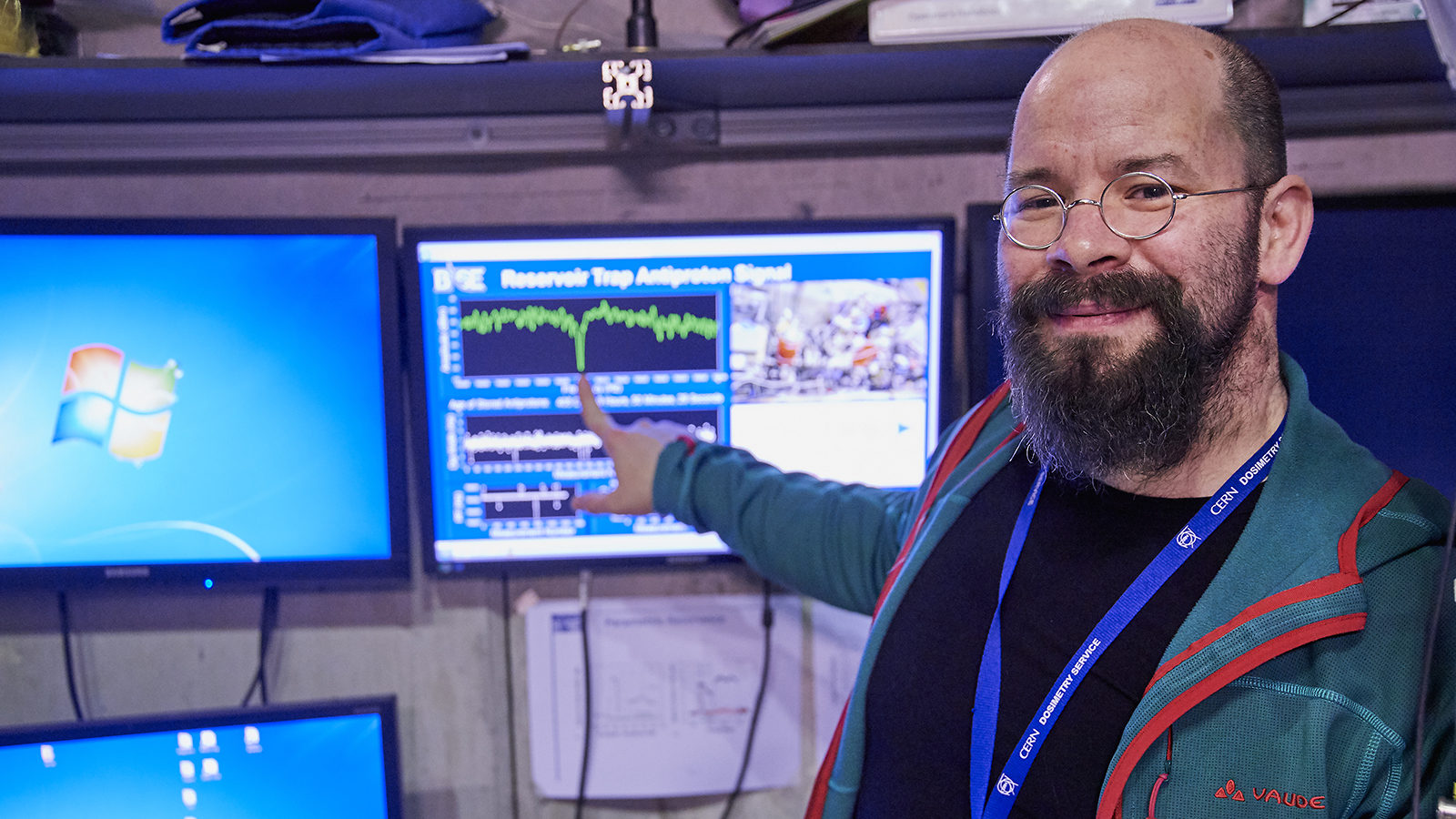
Being an experimental particle physicist is an extraordinary endeavor that intertwines the realms of fundamental science, technological advancement, and philosophical inquiry. Individuals in this elusive profession often find themselves on the peripheries of human understanding, venturing into domains that lie beyond the observable universe, grappling with questions that echo the very nature of existence. What […]

Read More →