Dwarf Planet’s Role in the Dark Universe

Definition of Dwarf Planets Dwarf planets are small celestial objects located primarily in the outer regions of our solar system. Unlike the eight major planets, these bodies possess distinct geological traits and occupy a unique classification. According to the International Astronomical Union (IAU), a dwarf planet is defined as a solar-orbiting body that is not […]

Read More →

Tabletop Acceleration: Creating Monoenergetic Electron Beams in Lab

Definition of Tabletop Acceleration Tabletop acceleration refers to a groundbreaking approach in particle physics that shifts away from conventional, large-scale particle accelerators toward compact, laboratory-scale devices. These systems are capable of producing monoenergetic electron beams-electron streams with narrowly defined energy levels-within a small footprint. This innovation not only makes high-energy physics experiments more accessible but […]

Read More →

DNA + Graphene = Chemical Super Sensor

Definition of DNA-Graphene Sensors DNA-graphene sensors represent an advanced class of chemical sensors that combine the biological specificity of deoxyribonucleic acid (DNA) with the exceptional physical properties of graphene. This hybrid technology leverages the molecular recognition capabilities of DNA and the superior electrical conductivity of graphene to create highly sensitive and selective detection platforms. These […]

Read More →

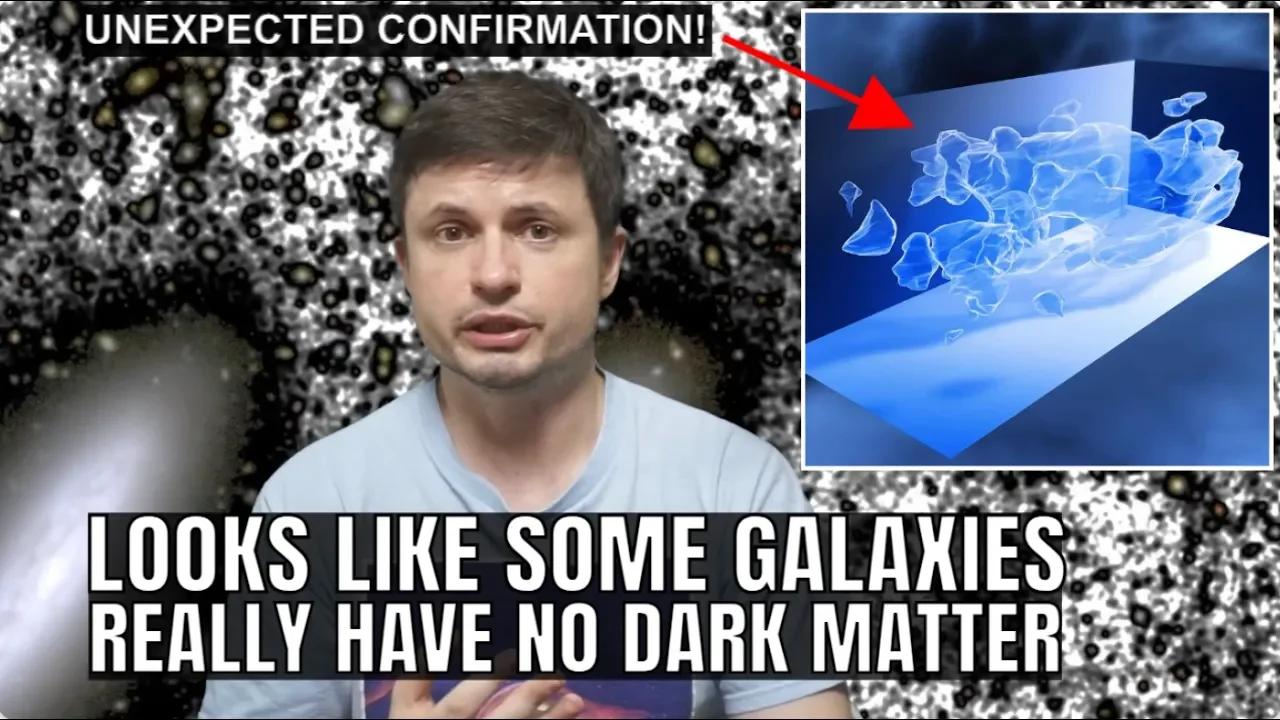
Missing in Action: A Dark Matter Deficiency That Defies Theory

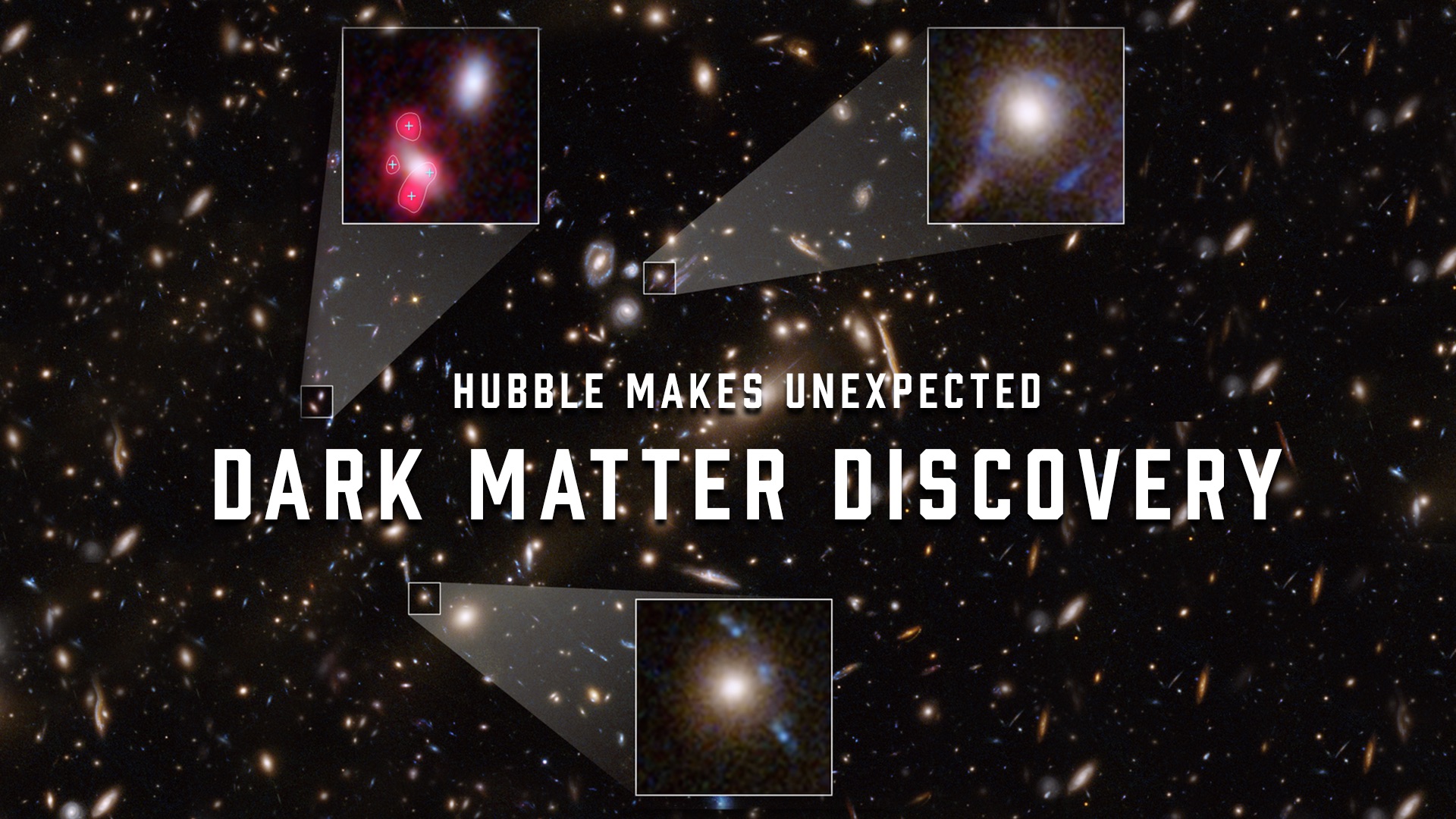
Definition of Dark Matter Dark matter is a hypothetical form of matter that does not emit, absorb, or reflect light, making it invisible to current electromagnetic observational methods. Its presence is inferred primarily through its gravitational effects on visible celestial objects such as stars and galaxies. This unseen matter accounts for a significant portion of […]

Read More →

Eccentric Pulsar Could Be in a Threesome—A Stellar Menage à Trois?

Definition of Eccentric Pulsars in Multi-Star Systems Eccentric pulsars are neutron stars characterized by irregular, non-circular orbits, often found within complex gravitational environments. When such a pulsar is gravitationally linked to two other stellar bodies, forming a three-body system, it creates a unique astrophysical configuration sometimes informally described as a “stellar ménage à trois.” This […]

Read More →

The Unseen Pressure on Fluid Lenses

Understanding Fluid Lenses Fluid lenses represent a revolutionary class of optical devices that diverge from traditional solid lenses by utilizing a liquid medium to achieve variable optical properties. Unlike fixed-shape lenses, fluid lenses can dynamically modify their curvature and refractive index, enabling adaptive focusing and enhanced versatility. This adaptability is primarily governed by the pressure […]

Read More →

Beyond Silicon: Graphene’s Record-Breaking Transistor

Definition of Graphene and Its Role in Transistor Technology Graphene is a single atomic layer of carbon atoms arranged in a two-dimensional honeycomb lattice. This extraordinary material has revolutionized the field of semiconductor technology, particularly in the development of transistors. Its unique atomic structure imparts exceptional electrical, mechanical, and thermal properties, positioning graphene as a […]

Read More →

Forecasting the Next Katrina: Cyclone Model Predicts Super Storms

Definition of Cyclone Forecasting Cyclone forecasting refers to the scientific process of predicting the path, intensity, and potential impacts of tropical cyclones using advanced meteorological techniques and computational models. These forecasts are essential for preparing vulnerable coastal regions against the destructive forces of hurricanes and similar storms. Tropical Cyclones: Intense circular storms originating over warm […]

Read More →

Can Schrödinger’s Bacterium Exist in Superposition?

Understanding Schrödinger’s Bacterium: A Quantum-Biological Intersection The concept of Schrödinger’s bacterium emerges from the fusion of quantum mechanics and microbiology, challenging traditional views of life at the microscopic scale. Rooted in the famous Schrödinger’s cat thought experiment, this idea explores whether a bacterium, like a quantum particle, can exist in multiple states simultaneously until observed. […]

Read More →

Floating Planets: The Cosmic Nomads Challenging Theorists

Definition of Floating Planets Floating planets, also known as rogue planets, are planetary-mass objects that drift through space independently, unattached to any star or stellar system. Unlike conventional planets that orbit stars, these celestial wanderers traverse the galaxy alone, challenging traditional astrophysical concepts about how planets form and evolve within stellar environments. Origins and Formation […]

Read More →