Nanophotonics R&D in Europe: A Call for Support

Definition of Nanophotonics Nanophotonics is a multidisciplinary scientific field that explores the interaction between light and matter at the nanometer scale. It merges principles from physics, materials science, and engineering to manipulate photons in ways that transcend conventional optics. This domain investigates phenomena such as surface plasmon resonance, photonic crystals, and metamaterials, which enable novel […]

Read More →

Doubts Swirl Around Superluminal Neutrino Results

Understanding Superluminal Neutrinos The proposition that neutrinos might travel faster than the speed of light has sparked both enthusiasm and doubt within the scientific community. Originating from experimental observations, these claims challenge the foundational principles of physics, particularly Einstein’s theory of relativity. The skepticism surrounding these superluminal neutrino results offers a fascinating insight into the […]

Read More →

Cosmic Rays Seed Clouds? The Evidence is Striking

Definition of Cosmic Rays and Their Atmospheric Role Cosmic rays are highly energetic particles that travel through space at velocities approaching the speed of light. Originating from sources beyond Earth’s atmosphere, these particles primarily consist of protons and heavier atomic nuclei. Their continuous bombardment of our planet has intrigued scientists, particularly regarding their potential influence […]

Read More →

A Galaxy Survey Fails to Add Up

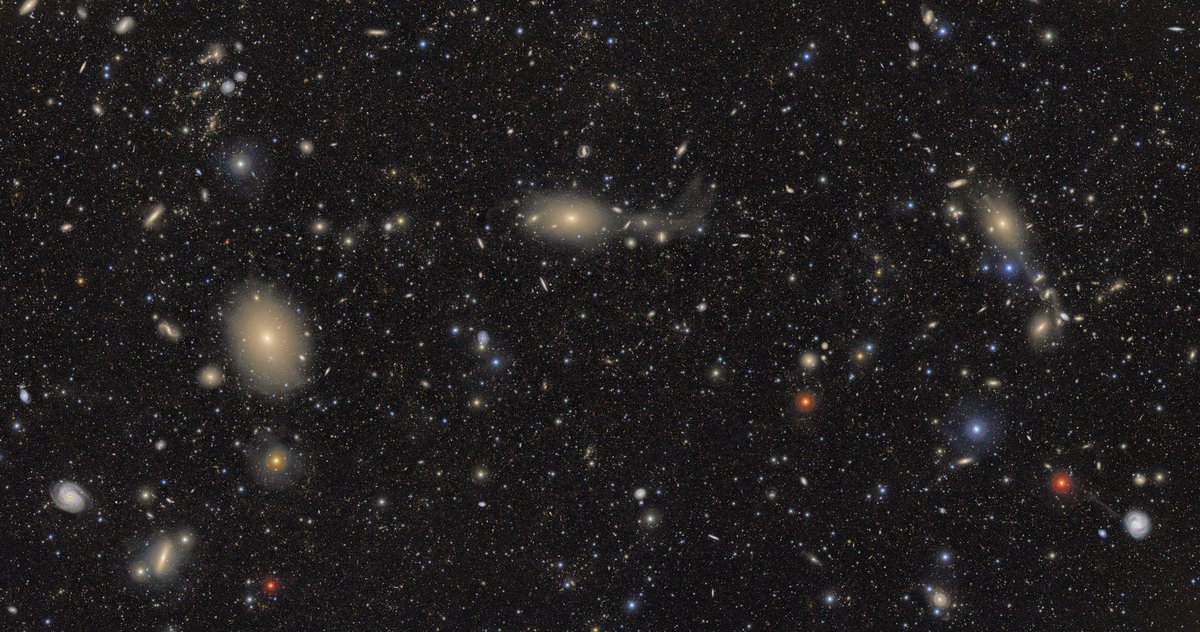
Understanding Galaxy Surveys Galaxy surveys are comprehensive scientific endeavors designed to systematically catalog and analyze the vast array of galaxies scattered throughout the universe. These surveys aim to map the large-scale structure of the cosmos, revealing the distribution, composition, and dynamic behavior of galaxies. By collecting extensive observational data, researchers strive to deepen our understanding […]

Read More →

Controlling the Speed of Light with Fibres

Understanding Light and Its Speed Light is an electromagnetic wave traditionally understood to travel at a constant speed in a vacuum, approximately 299,792,458 meters per second, symbolized as c. This speed is a fundamental constant in physics, underpinning many scientific principles. However, when light passes through different materials, such as those found in optical fibers, […]

Read More →

Gold Lights Up Biological Cells

Definition and Significance of Gold in Biology Gold, a precious metal esteemed since ancient times for its brilliance and scarcity, holds a crucial position in both physical sciences and biological research. Beyond its ornamental value, gold’s distinctive characteristics have captivated scientists, especially regarding its interactions within cellular environments. This exploration delves into how gold operates […]

Read More →

From the Ground Up: A Galactic-Scale Observatory

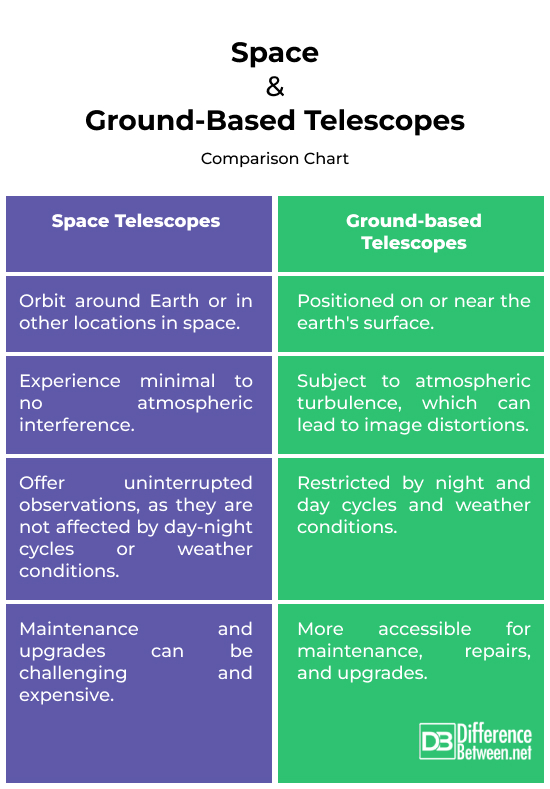
Definition of a Galactic-Scale Observatory A galactic-scale observatory refers to an astronomical facility designed to operate across vast expanses of space, far exceeding the scope of traditional telescopes. This concept envisions a network or system of observational instruments distributed throughout the galaxy or solar system, integrating advanced technologies to study cosmic phenomena with unprecedented depth […]

Read More →

When Electron Pairs Start Acting Like Bosons – A Quantum Quirk

Definition of Electron Pair Bosonic Behavior In quantum mechanics, particles exhibit dual characteristics, behaving both as waves and particles. Electrons, which are fermions, normally follow the Pauli exclusion principle, preventing any two electrons from occupying the same quantum state simultaneously. However, under specific conditions, pairs of electrons can collectively behave like bosons, particles that can […]

Read More →