
Short Answer
Definition and Overview of Lead in Solid State Physics
Lead (Pb), a dense heavy metal with atomic number 82, occupies a unique niche in solid state physics. Historically recognized for its toxicity and widespread use in plumbing, paints, and other industrial applications, lead also exhibits intriguing electronic and structural properties that make it a subject of considerable scientific interest. Classified as a post-transition metal, lead’s position on the periodic table highlights its distinctive chemical and physical behavior, bridging traditional metallic characteristics with complex quantum phenomena.
Electronic Structure and Conductive Behavior
Lead’s electronic configuration and atomic size significantly influence its electrical properties. With a relatively large atomic radius, lead’s bonding characteristics facilitate the presence of free electrons, which are essential for electrical conduction. According to band theory, the conduction band in lead lies close to its valence band, enabling efficient electron mobility and resulting in conductivity typical of heavy metals.
Moreover, lead exhibits pronounced spin-orbit coupling effects, which give rise to exotic states of matter known as topological insulators. These materials display conductive surfaces while maintaining insulating behavior in their bulk, a property that protects surface electrons from scattering due to their quantum mechanical nature. This phenomenon has sparked extensive research into potential applications in quantum computing and spintronics.
Alloy Formation and Crystalline Structures
Lead’s ability to form alloys adds complexity and versatility to its material properties. When combined with other metals, such as tin, lead forms solders essential for electronic assembly, while leaded bronze alloys enhance mechanical strength and durability. The study of phase diagrams involving lead alloys provides critical insights into their thermal and mechanical behavior, guiding their use in various industrial processes.
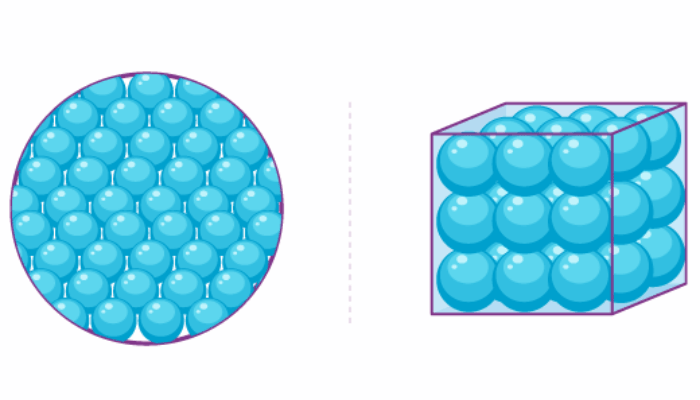
From a crystallographic perspective, lead crystallizes in a face-centered cubic (FCC) lattice, which promotes dense atomic packing and specific slip systems. This structure contributes to lead’s notable ductility, allowing it to deform plastically under stress without fracturing. Investigations into dislocation dynamics within lead’s crystal lattice deepen understanding of material strength, plastic deformation, and failure mechanisms.
Thermal Characteristics and Heat Transfer
Lead’s thermal properties are equally significant. With a high density of 11.34 g/cm³, lead exhibits particular heat capacity and thermal conductivity traits. Although its thermal conductivity is lower compared to many other metals, lead’s substantial mass makes it an effective heat sink in applications requiring thermal management. Studying heat transport in lead helps elucidate fundamental principles of thermal conduction applicable to a broad range of materials.
Environmental Impact and Toxicological Issues
Despite its technological utility, lead poses serious environmental and health risks due to its toxicity and tendency to bioaccumulate. Prolonged exposure to lead can cause severe health problems in humans and wildlife, prompting stringent regulations and efforts to reduce its use. The environmental persistence of lead contamination has led to increased research into lead-free alternatives in electronics and alloys, aiming to balance material performance with ecological safety.
Emerging Applications and Future Research Directions
Looking ahead, lead continues to inspire innovative research within solid state physics and materials science. Its unique spin properties and electronic behavior are being explored for applications in quantum computing and advanced energy storage systems. Additionally, the development of lead-based nanoparticles holds promise for breakthroughs in catalysis and sensor technologies, particularly within the expanding field of nanotechnology. These emerging avenues seek to harness lead’s advantageous properties while minimizing its environmental footprint.
Common Misconceptions About Lead
Lead is only harmful and has no beneficial uses.
While lead is toxic, it also possesses valuable electronic and structural properties that are critical in various technological applications.
Lead’s conductivity is similar to all metals.
Lead’s conductivity is influenced by its unique band structure and spin-orbit coupling, distinguishing it from many other metals.
Significance of Lead in Science and Technology
Lead’s multifaceted nature makes it a pivotal element in both scientific research and practical applications. Its electronic, thermal, and mechanical properties provide a rich platform for exploring fundamental concepts in condensed matter physics and materials science. Furthermore, understanding lead’s dual role as a useful material and environmental hazard underscores the importance of responsible innovation and sustainable development in technology.
FAQ
What makes lead unique among heavy metals in solid state physics?
Lead's large atomic radius and strong spin-orbit coupling result in unique electronic behaviors such as topological insulator properties, setting it apart from other heavy metals.
How does lead's toxicity impact its use in technology?
Due to its toxicity and environmental impact, there is a growing push to replace lead with safer alternatives in electronic components and alloys.
What are the thermal characteristics of lead relevant to solid state physics?
Lead has relatively low thermal conductivity but a high density, which makes it useful as a heat sink in certain applications.
In what ways is lead used in alloys that are important to solid state physics?
Lead alloys, such as lead-tin solders and leaded bronze, exhibit enhanced mechanical and thermal properties important for manufacturing and electronics.




Leave a Reply