
Short Answer
Definition
Physics in medicine refers to the application of physical principles and technologies to diagnose, monitor, and treat medical conditions. It encompasses the use of radiation, magnetic fields, and other physical phenomena to non-invasively visualize internal body structures and deliver targeted therapies. This interdisciplinary field underpins many modern medical imaging techniques and therapeutic interventions, ensuring precision, safety, and effectiveness.
Fundamental Medical Imaging Technologies
Magnetic Resonance Imaging (MRI)
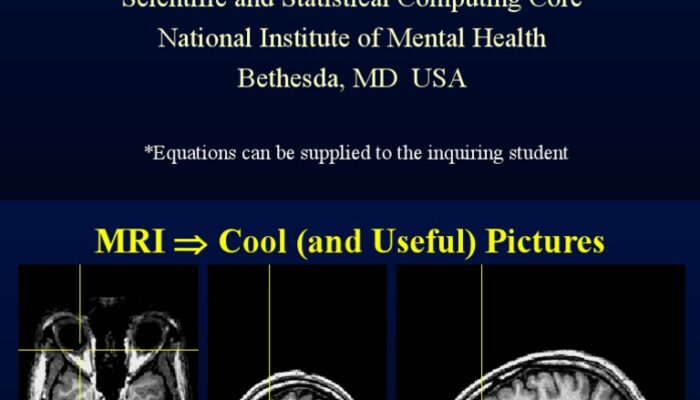
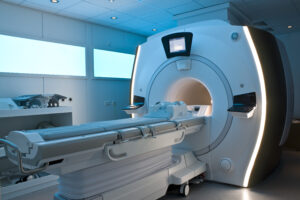
MRI is a sophisticated imaging technique based on the principles of nuclear magnetic resonance. It exploits the behavior of atomic nuclei, particularly protons, when subjected to strong magnetic fields and radiofrequency pulses. These interactions generate coherent signals that are processed to produce detailed images of internal anatomy. Beyond structural visualization, MRI can also provide functional information about tissues, aiding in the diagnosis of various diseases.
Computed Tomography (CT)
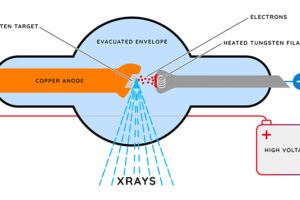
CT imaging employs X-rays to create detailed cross-sectional images of the body. The scanner rotates rapidly around the patient, emitting X-ray beams from multiple angles. Using mathematical algorithms derived from tomography, these data are reconstructed into three-dimensional representations of anatomical structures. CT scans are invaluable for detecting abnormalities such as tumors, fractures, and internal bleeding.
Physics Principles Underlying Medical Imaging
Each imaging modality relies on distinct physical phenomena:
- Magnetic Fields and Nuclear Spin:
MRI depends on aligning nuclear spins in a magnetic field and detecting their relaxation signals. - Ionizing Radiation:
CT uses X-rays, a form of ionizing radiation, which requires careful dose management to minimize patient risk. - Tomographic Reconstruction:
Mathematical techniques convert multiple two-dimensional X-ray images into comprehensive three-dimensional models.
Radiation Therapy: Physics in Cancer Treatment
Radiation therapy harnesses ionizing radiation to destroy cancer cells by damaging their DNA and inhibiting replication. The success of this treatment depends on precise dose delivery and understanding radiation interactions with tissues. Advanced modalities such as Intensity-Modulated Radiation Therapy (IMRT) and Stereotactic Body Radiation Therapy (SBRT) utilize physics-based planning to maximize tumor targeting while sparing healthy tissue.
Proton Therapy
Proton therapy represents a cutting-edge advancement where charged proton particles are used instead of conventional X-rays. Due to their unique physical properties, protons deposit most of their energy at a specific depth (the Bragg peak), allowing for highly localized treatment. This precision reduces collateral damage to surrounding healthy tissues, improving patient outcomes.
Role of Medical Physicists
Medical physicists are specialists who apply physics knowledge to healthcare settings. They ensure the safe and effective operation of imaging and therapeutic equipment, develop protocols to optimize patient care, and contribute to research innovations. Their expertise is critical in areas such as dose calculation, quality assurance, and the integration of emerging technologies like machine learning in medical imaging.
Common Misconceptions About Physics in Medicine
Physics is only relevant to the machines, not to clinical practice.
Understanding physics is essential for clinicians to interpret imaging results accurately and manage patient safety effectively.
Radiation exposure from CT scans is negligible.
While CT scans provide valuable diagnostic information, their ionizing radiation dose must be carefully balanced against potential risks.
Why Physics Is Integral to Modern Medicine
The integration of physics into medicine is foundational to the development and refinement of diagnostic and therapeutic technologies. It enables non-invasive visualization of the human body, precise targeting of treatments, and continuous innovation in healthcare. This synergy enhances patient outcomes, drives medical research, and shapes the future landscape of medical practice.
Conclusion
The interplay between physics and medicine is profound and multifaceted, extending far beyond the mere operation of imaging devices or radiation beams. Each technological breakthrough in healthcare is deeply rooted in physical laws and principles. As medical science advances, the collaboration between physicists, clinicians, and researchers will remain vital in transforming theoretical knowledge into life-saving applications, ultimately improving the quality and efficacy of patient care worldwide.
FAQ
How is physics applied in MRI?
MRI uses the principles of nuclear magnetic resonance, leveraging magnetic fields and radiofrequency pulses to create detailed images of internal anatomy.
What is the role of medical physicists?
Medical physicists apply physics knowledge in healthcare, ensuring the safe operation of imaging and therapeutic equipment, and developing protocols for patient care.
What are common misconceptions about radiation exposure from CT scans?
A common misconception is that radiation exposure from CT scans is negligible; however, the ionizing radiation dose must be carefully managed to minimize risks.



Leave a Reply