

Short Answer
Definition and Scope of Physics in Biomedical Sciences
The integration of physics with biomedical sciences represents a dynamic interdisciplinary field where physical laws and methodologies are applied to understand and solve complex biological and medical problems. This fusion enables the exploration of biological systems through quantitative and mechanistic perspectives, facilitating advancements in diagnostics, therapeutics, and biomedical research.
- Biophysics:
A discipline that applies principles from physics such as mechanics, thermodynamics, electromagnetism, and quantum mechanics to analyze biological molecules and cellular processes. - Biomedical Engineering:
The application of engineering and physical sciences to develop medical devices, imaging technologies, and therapeutic tools.
Fundamental Role of Biophysics
Biophysics serves as the cornerstone for understanding biological phenomena at molecular and cellular levels by employing quantitative physical techniques. It elucidates the behavior of biomolecules like proteins, nucleic acids, and cellular membranes through the lens of physical chemistry. This approach provides insights into enzymatic functions, signal transduction pathways, and genetic regulation mechanisms, enabling the prediction of molecular dynamics and the design of targeted medical interventions.
Medical Imaging Technologies: Principles and Applications
Medical imaging stands as a prime example of physics applied in healthcare, utilizing various physical principles to visualize internal body structures non-invasively.
- Magnetic Resonance Imaging (MRI):
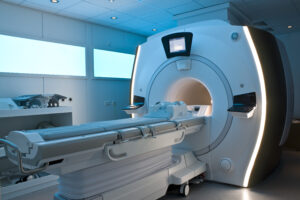
Utilizes nuclear magnetic resonance to generate detailed images of soft tissues, aiding in the diagnosis of tumors, neurological disorders, and other conditions. - Computed Tomography (CT):
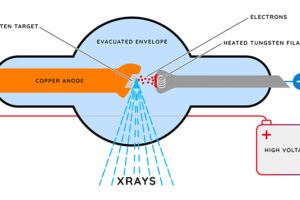
Employs X-ray measurements from multiple angles to create cross-sectional images, enhancing the detection of internal abnormalities. - Positron Emission Tomography (PET):
Uses radioactive tracers to observe metabolic processes, providing functional imaging critical for oncology and neurology.
Challenges in this domain include improving image resolution and processing speed to facilitate rapid and accurate clinical decision-making.
Ultrasound Technology in Diagnostics and Therapy
Ultrasound harnesses the propagation of high-frequency sound waves to produce real-time images of internal organs and tissues. It is widely used in prenatal care, cardiac assessments, and therapeutic procedures. By adjusting wave frequency and parameters, clinicians can extract both anatomical and functional data, exemplifying the practical application of physics in patient care.
Biomechanics: Analyzing Biological Motion and Forces
Biomechanics applies mechanical principles to study the forces and movements within biological systems. This field is instrumental in optimizing orthopedic devices, enhancing rehabilitation protocols, and understanding human locomotion. Advanced computational models quantify gait and musculoskeletal dynamics, enabling personalized treatment plans. However, ensuring model accuracy and adaptability across diverse populations remains a significant challenge.
Computational Physics and Bioinformatics
Bioinformatics integrates computational physics and mathematical algorithms to manage and interpret vast biological datasets, including genomic, proteomic, and metabolomic information. Machine learning techniques, grounded in physical and mathematical principles, facilitate the identification of disease biomarkers and support personalized medicine. Despite these advances, challenges such as model reproducibility and avoiding overfitting persist in data-intensive environments.
Physics in Drug Delivery Systems
The principles of transport phenomena govern the distribution and efficacy of pharmaceuticals within biological tissues. Nanoparticle-based drug delivery platforms utilize concepts from materials science and physics to achieve targeted and controlled release of therapeutics. The primary obstacles include maximizing delivery efficiency while minimizing toxicity, necessitating close collaboration among physicists, chemists, and biologists.
Therapeutic Ultrasound: Innovations and Challenges
High-Intensity Focused Ultrasound (HIFU) represents a cutting-edge treatment modality that employs focused acoustic energy to non-invasively ablate pathological tissues such as tumors. Precise calibration of ultrasound frequency and intensity is critical to effectively target diseased areas while preserving surrounding healthy tissue, highlighting the delicate balance required in therapeutic applications.
Nanotechnology in Biomedical Applications
Nanotechnology exploits the unique quantum mechanical properties of materials at the nanoscale to develop novel biomedical tools, including imaging agents and drug delivery systems. While promising, the translation of nanotechnologies from research to clinical practice faces hurdles related to biocompatibility, safety, and regulatory approval processes.
Significance of Physics in Advancing Medicine
The convergence of physics and biomedical sciences profoundly enhances our comprehension of complex biological systems and propels innovation in medical diagnostics and treatments. This interdisciplinary synergy fosters the development of novel technologies and therapeutic strategies, ultimately improving patient outcomes. As medical challenges evolve, the collaboration between physicists and biomedical researchers will continue to drive transformative discoveries, shaping the future landscape of healthcare.
FAQ
How is physics used in medical imaging?
Physics provides the fundamental principles behind imaging techniques like MRI, CT scans, and ultrasound, which enable detailed visualization of internal body structures.
What is biophysics and why is it important?
Biophysics uses physical methods to study biological systems at molecular and cellular levels, helping to understand processes such as protein interactions and genetic regulation.
What role does nanotechnology play in biomedical sciences?
Nanotechnology applies quantum mechanical properties of nanoscale materials to develop advanced imaging agents and targeted drug delivery systems.
What are the main challenges in integrating physics with biomedical sciences?
Challenges include improving the accuracy of models, ensuring reproducibility of computational analyses, managing toxicological risks, and translating lab discoveries to clinical practice.




Leave a Reply