
Short Answer
Definition of DNA Data Storage
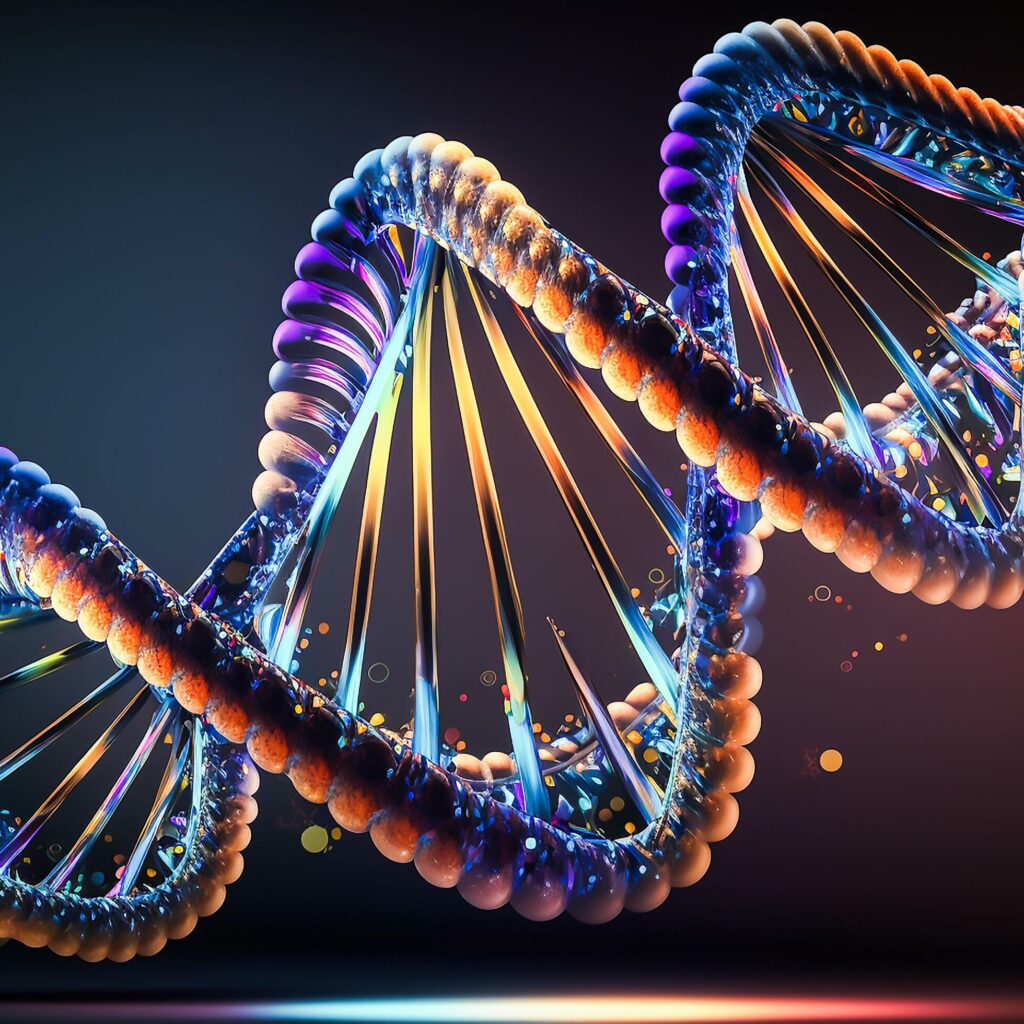
DNA data storage refers to the innovative use of deoxyribonucleic acid (DNA) molecules as a medium for encoding, preserving, and retrieving digital information. Traditionally recognized as the carrier of genetic instructions in living organisms, DNA is now being explored as a high-density, long-lasting alternative to conventional electronic storage devices such as hard drives and solid-state drives. This emerging technology leverages the molecular structure of DNA to store vast amounts of data in an extremely compact form.
- DNA Structure:
DNA is a polymer made up of nucleotide units, each consisting of a sugar, phosphate group, and one of four nitrogenous bases-adenine (A), cytosine (C), guanine (G), and thymine (T). - Storage Capacity:
The sequence of these bases encodes genetic information, but when repurposed for digital storage, DNA can theoretically hold up to one billion terabytes of data per gram, far surpassing traditional storage media.
Mechanism of DNA-Based Data Storage
The process of storing data in DNA involves translating binary digital information into sequences of the four nucleotide bases. This is achieved by mapping binary digits (0s and 1s) onto combinations of A, C, G, and T, effectively creating a synthetic DNA strand that represents the encoded data. The stored information can later be retrieved by sequencing the DNA and decoding the nucleotide sequences back into binary form.
Encoding and Decoding Process
- Encoding:
Digital data is converted into nucleotide sequences using coding algorithms that optimize for error reduction and synthesis efficiency. - Synthesis:
The designed DNA sequences are chemically synthesized to create physical DNA strands containing the encoded data. - Sequencing and Decoding:
To access the stored data, DNA sequencing technologies read the nucleotide sequences, which are then translated back into the original digital information.
Mathematical and Technical Aspects
The theoretical storage density of DNA can be expressed mathematically by considering the number of bits encoded per nucleotide and the mass of DNA. Each nucleotide can represent two bits of information (since there are four possible bases, 2² = 4), leading to an exceptionally high data density.
Storage Capacity Formula:
Data Capacity (bits) = Number of Nucleotides × 2 bits per nucleotide
Given that one gram of DNA contains approximately 3 × 10^21 nucleotides, the potential data capacity is:
3 × 10^21 nucleotides × 2 bits/nucleotide = 6 × 10^21 bits ≈ 750 petabytes per gram
This calculation highlights DNA’s unparalleled potential for compact data storage compared to silicon-based devices.
Advantages of DNA as a Storage Medium
- Exceptional Density:
DNA’s molecular structure allows for storing enormous amounts of data in a minuscule physical space. - Longevity and Stability:
Under optimal conditions, DNA can remain intact for thousands of years, far exceeding the lifespan of electronic storage devices. - Biocompatibility:
DNA’s natural compatibility with biological systems opens avenues for integration with medical and biotechnological applications.
Challenges and Limitations
Despite its promise, DNA data storage faces several technical and practical obstacles that must be overcome before widespread adoption is feasible.
- High Costs and Slow Processes:
Current DNA synthesis and sequencing technologies are expensive and time-intensive, limiting scalability. - Error Rates:
DNA synthesis and sequencing can introduce errors, necessitating sophisticated error-correction algorithms to ensure data integrity. - Data Retrieval Speed:
Unlike electronic storage, accessing data from DNA is slower due to the biochemical processes involved.
Applications and Future Prospects
The intersection of DNA data storage with biotechnology heralds transformative possibilities across multiple fields:
- Personalized Medicine:
Encoding patient genetic and medical data in DNA could enable seamless integration and real-time monitoring of health information. - Bioinformatics and Synthetic Biology:
DNA storage could facilitate advanced research by combining digital data with biological systems. - Long-Term Archival Storage:
DNA’s durability makes it ideal for preserving critical data over centuries, addressing challenges of electronic waste and obsolescence.
Ethical and Regulatory Considerations
The use of DNA for data storage raises important ethical questions and regulatory challenges, particularly regarding privacy, consent, and data security. Genetic information is inherently sensitive, and its use beyond biological contexts demands careful governance.
- Privacy Concerns:
Safeguarding encoded genetic data from unauthorized access is paramount. - Consent and Ownership:
Clear policies must define who owns and controls DNA-encoded data. - Public Perception:
Addressing societal fears about genetic technologies through education and transparency is essential for acceptance.
Common Misconceptions About DNA Data Storage
DNA data storage is already a practical replacement for hard drives.
While promising, current DNA storage methods are still experimental, costly, and slower than conventional storage.
DNA storage involves using living organisms to store data.
Data is stored in synthetic DNA strands created in laboratories, not within living cells.
Significance of DNA Data Storage
As data generation accelerates exponentially, traditional storage technologies face limitations in capacity, durability, and environmental impact. DNA data storage offers a revolutionary alternative that combines immense density with remarkable longevity, potentially transforming how humanity preserves and accesses information. This convergence of biology and digital technology not only challenges existing paradigms but also paves the way for sustainable, efficient, and innovative data management solutions in science, medicine, and beyond.
FAQ
What is DNA data storage?
DNA data storage refers to the use of DNA molecules to encode and preserve digital information, providing a compact and durable alternative to traditional storage devices.
What are the advantages of using DNA for data storage?
DNA offers exceptional data density, longevity, and compatibility with biological systems, making it a promising alternative for future data storage needs.
What challenges does DNA data storage face?
Challenges include high costs, slow data retrieval processes, and potential errors in DNA synthesis and sequencing.



Leave a Reply