
Short Answer
Definition of DNA as a Semiconductor
DNA, traditionally known as the carrier of genetic information, is increasingly being studied for its potential role as a semiconductor. Semiconductors are materials whose electrical conductivity lies between that of conductors and insulators, enabling them to regulate electrical currents. This unique property is essential in modern electronics. Viewing DNA through this lens suggests that it may not only store genetic data but also participate in electronic signal modulation, opening new avenues in both biology and technology.
Fundamentals of Semiconductors
Semiconductors possess electrical conductivities that can be precisely controlled, often through a process called doping, where impurities are introduced to alter charge carrier behavior. Their atomic lattice structures facilitate the movement of electrons and holes, enabling the regulation of electrical currents. This tunable conductivity is the cornerstone of devices such as transistors and diodes. Remarkably, DNA exhibits similar charge transport properties under specific conditions, hinting at its potential semiconductor-like behavior.
Structural Basis for DNA’s Electronic Properties
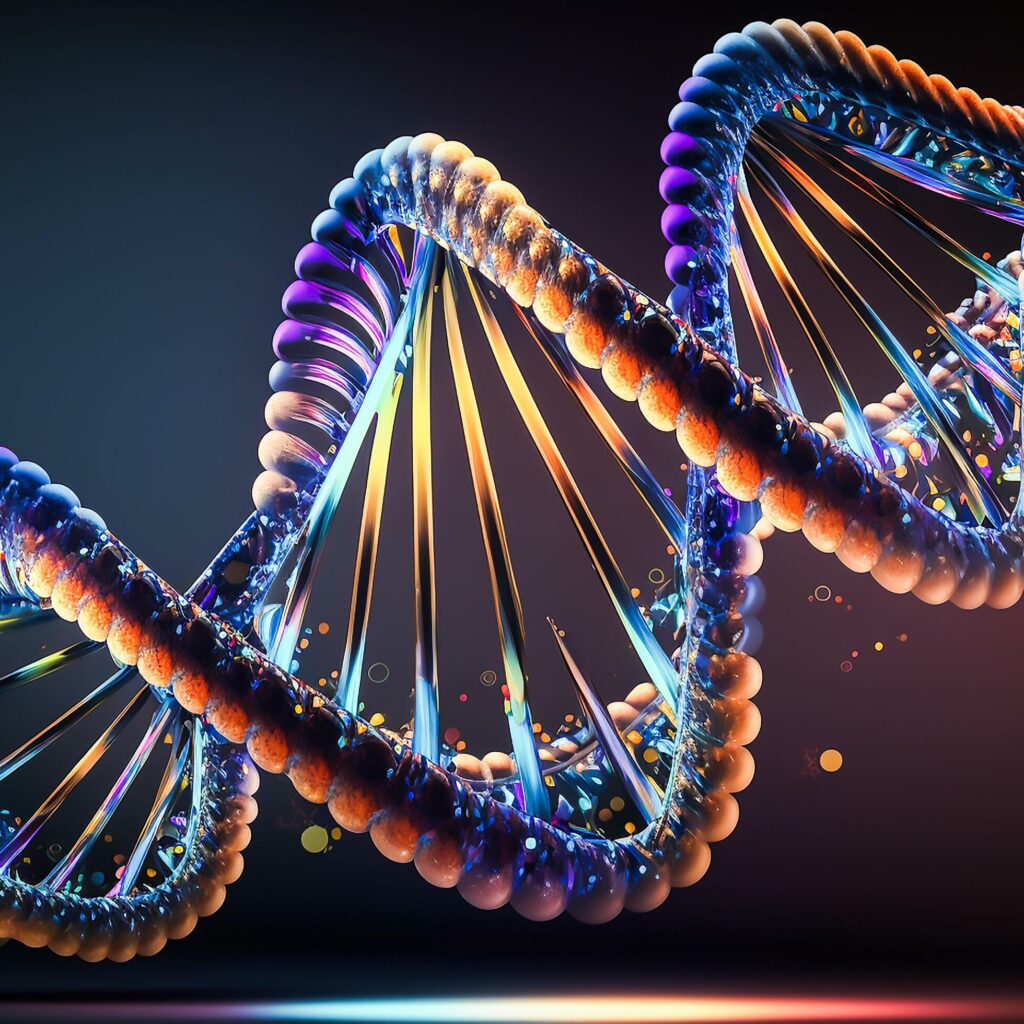
The DNA molecule is composed of two strands forming a double helix, with nucleotide pairs connected by a sugar-phosphate backbone. Recent studies highlight that the phosphate backbone can conduct electrical charges, allowing electrons to move along the DNA strand. This conduction mechanism resembles that found in traditional semiconductor materials like silicon, suggesting that DNA’s molecular architecture supports electronic functionality beyond its genetic role.
Role of DNA in Cellular Communication and Signal Transduction
Cellular processes rely heavily on the transmission of biochemical signals to regulate metabolism and gene expression. If DNA functions as a semiconductor, it could serve a dual purpose: not only storing genetic instructions but also facilitating the transfer of electronic signals within the cell. This dual functionality could enhance cellular responsiveness to environmental changes, integrating biological information processing with electrical signaling pathways.
Applications in Biotechnology and Bio-Sensing
DNA’s semiconductive properties have significant implications for biotechnology, particularly in the development of biosensors. Conventional biosensors often use metal nanostructures or conductive polymers to detect biological molecules. DNA-based biosensors offer a biocompatible and eco-friendly alternative, capable of highly sensitive and selective detection of pathogens, biomarkers, and environmental toxins. This innovation could revolutionize diagnostic techniques in medicine and environmental monitoring.
Advantages of DNA-Based Biosensors
- Biocompatibility:
DNA is naturally compatible with biological systems, reducing toxicity concerns. - Environmental Sustainability:
DNA-based devices minimize reliance on synthetic materials, promoting greener technologies. - High Sensitivity and Specificity:
DNA’s molecular recognition capabilities enable precise detection of target molecules.
DNA in Molecular Electronics and Nanotechnology
Beyond biosensing, DNA is being explored as a building block for molecular electronics. Techniques like DNA origami allow scientists to fold DNA into precise nanostructures that can be programmed to perform specific electronic functions. Integrating these DNA nanostructures with conventional electronic components could lead to advanced memory devices and circuits with enhanced efficiency and novel capabilities, potentially surpassing traditional silicon-based technologies.
Potential Innovations
- Programmable Nanodevices:
DNA origami enables the creation of customizable nanoscale electronic components. - Molecular Computing:
DNA’s information-processing potential could pave the way for computing at the molecular level. - Hybrid Bio-Electronic Systems:
Combining DNA with synthetic materials may yield devices that mimic biological adaptability.
Challenges in Utilizing DNA as a Semiconductor
Despite its promising properties, several obstacles hinder the practical application of DNA in electronics. DNA’s stability can be compromised under varying environmental conditions, affecting its reliability. Additionally, scaling up DNA synthesis and assembly for industrial use remains a technical challenge. Overcoming these issues is crucial for the integration of DNA-based components into mainstream electronic devices.
Mechanisms Underlying DNA’s Charge Transport
Charge transport in DNA involves the movement of electrons or holes along the molecular structure, primarily facilitated by the π-stacking interactions between nucleotide bases and the conductive phosphate backbone. Understanding these mechanisms is essential for designing hybrid systems that combine biological molecules with electronic materials, enabling the development of sophisticated devices capable of complex functions similar to living organisms.
Common Misconceptions About DNA as a Semiconductor
DNA is solely a genetic material with no electronic properties.
Research shows DNA can conduct charge and modulate electronic signals under certain conditions.
DNA-based electronics will immediately replace silicon technology.
While promising, DNA electronics face significant challenges and are currently complementary to existing technologies.
Significance of DNA’s Semiconductive Nature
Recognizing DNA as a semiconductor bridges the gap between biology and electronics, fostering interdisciplinary research that could transform scientific understanding and technological innovation. This perspective not only enriches genetic science but also inspires the creation of novel devices that integrate biological complexity with electronic functionality, potentially revolutionizing fields such as medicine, environmental science, and computing.
Future Perspectives
The exploration of DNA’s semiconductor properties invites a reimagining of molecular electronics and biotechnology. As research advances, the fusion of biological molecules with electronic systems may lead to groundbreaking applications, from ultra-sensitive biosensors to molecular-scale computing devices. Embracing this paradigm shift encourages continued investigation into the fundamental principles of life and technology, promising a future where the boundaries between the two become increasingly intertwined.
FAQ
How does DNA conduct electricity?
DNA conducts electricity through its phosphate backbone and the π-stacking interactions between nucleotide bases.
What are the future perspectives for DNA in technology?
Research into DNA's semiconductor properties may lead to innovative applications in biosensing and molecular computing.




Leave a Reply