
Short Answer
Definition of DNA Robots
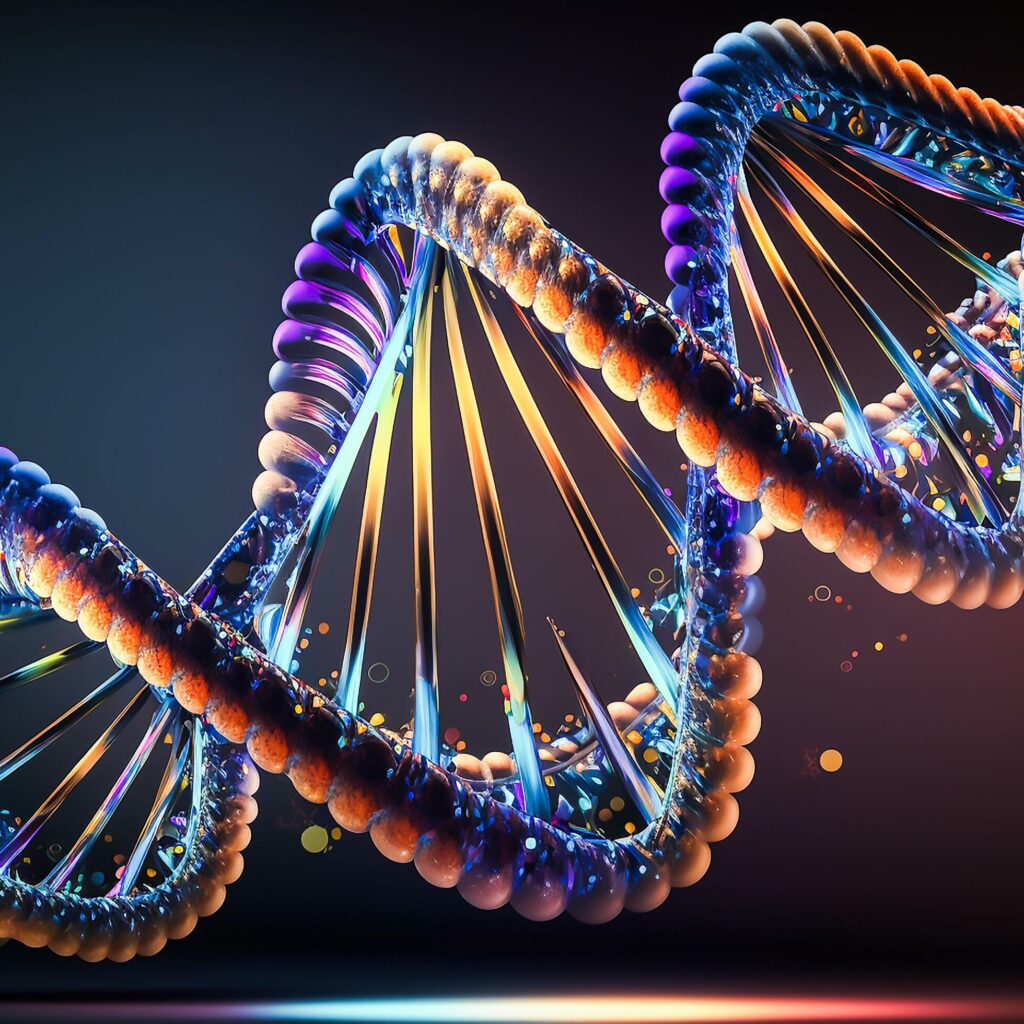
DNA robots are nanoscale engineered constructs that merge principles of biology and engineering to create molecular machines capable of performing specific tasks. Unlike traditional mechanical robots, these DNA-based devices operate through molecular interactions governed by sequences of nucleotide bases, functioning at an invisible scale akin to a precisely choreographed molecular dance.
Origins and Design Principles
The foundation of DNA robots lies in the technique known as DNA origami, where single strands of DNA are folded into predetermined shapes and structures. This process is comparable to an artisan’s meticulous craft, requiring deep understanding of both the material properties of DNA and design strategies. By exploiting the natural base-pairing rules of DNA, scientists have been able to fabricate tiny devices that act as specialized molecular workers, capable of executing designated functions.
Functional Capabilities and Motion
One defining characteristic of DNA robots is their ability to exhibit purposeful movement, distinguishing them from passive biomolecules. These molecular machines can be programmed to react to external stimuli, producing dynamic motions that resemble natural phenomena such as a flower blooming in response to sunlight. This controlled movement opens up a wide array of applications, including targeted drug delivery systems that navigate complex biological environments and biosensors that detect pathogens or disease biomarkers with high specificity.
Mechanisms of Operation
DNA robots function through intricate molecular interactions. Certain DNA structures are engineered to undergo conformational changes-such as opening and closing-in response to environmental cues, similar to a trapdoor revealing hidden compartments. These dynamic behaviors enable the attachment and release of therapeutic agents at precise cellular locations, paving the way for highly targeted medical treatments. This precision heralds a future of personalized medicine, where therapies are custom-tailored and accurately directed to affected cells.
Advanced Functionalities: Computation and Decision-Making
Beyond simple motion, DNA robots have evolved to perform complex, multifunctional roles. For example, DNA logic gates mimic electronic circuits by processing molecular information and executing logical operations. These molecular circuits allow DNA robots to make decisions based on environmental inputs, enabling autonomous responses such as activating biosensors that detect and react to cellular changes. This integration of computation and molecular biology expands the potential of DNA robots in diagnostics and therapeutic interventions.
Philosophical and Biological Significance
DNA robots also provoke deeper reflections on the nature of life and synthetic biology. They exemplify the principle of self-assembly, where molecules spontaneously organize into ordered structures-a phenomenon observed both in natural biological systems and engineered nanotechnology. This intersection of natural processes and human innovation challenges traditional definitions of life and raises questions about the capacity of synthetic systems to replicate biological functions.
Biomedical Applications and Therapeutic Potential
The incorporation of DNA robots into medicine represents a transformative approach to diagnostics and treatment. For instance, DNA constructs can be designed to induce programmed cell death (apoptosis) selectively in cancer cells, sparing healthy tissues. In such applications, DNA robots identify malignant cells and deliver cytotoxic agents that activate only in their presence, exemplifying a sophisticated synergy between molecular engineering and therapeutic precision. This strategy underscores the promise of DNA robots in advancing targeted cancer therapies and personalized healthcare.
Ethical and Safety Considerations
Despite their promising capabilities, the deployment of DNA robots necessitates careful consideration of ethical and safety issues. The advent of nanomedicine raises concerns about biocompatibility, potential long-term health effects, and environmental impact. Responsible innovation requires thorough evaluation and regulation to ensure that these molecular technologies benefit humanity without unintended consequences.
Conclusion: The Future of Molecular Machines
The development of DNA robots marks a significant milestone in the evolution of molecular machines. These nanoscale entities, capable of purposeful action and environmental responsiveness, highlight the vast potential of synthetic biology and nanotechnology. As research progresses, the fusion of biological insight and engineering prowess promises to deepen our understanding of life’s fundamental mechanisms and unlock novel applications that could revolutionize medicine, technology, and beyond. The era of molecular machines invites us to reconsider the limits of possibility and embark on a profound journey into the nanoscale realm of existence and innovation.
FAQ
What are DNA robots?
DNA robots are nanoscale constructs that merge biology and engineering to perform specific tasks through programmed molecular interactions.
What are the applications of DNA robots?
They can be used in targeted drug delivery, biosensors for disease detection, and personalized medicine.
What ethical considerations are associated with DNA robots?
Concerns include biocompatibility, potential long-term health effects, and environmental impact.




Leave a Reply