
Short Answer
Definition of Ultra-High-Definition Imaging in Cosmology
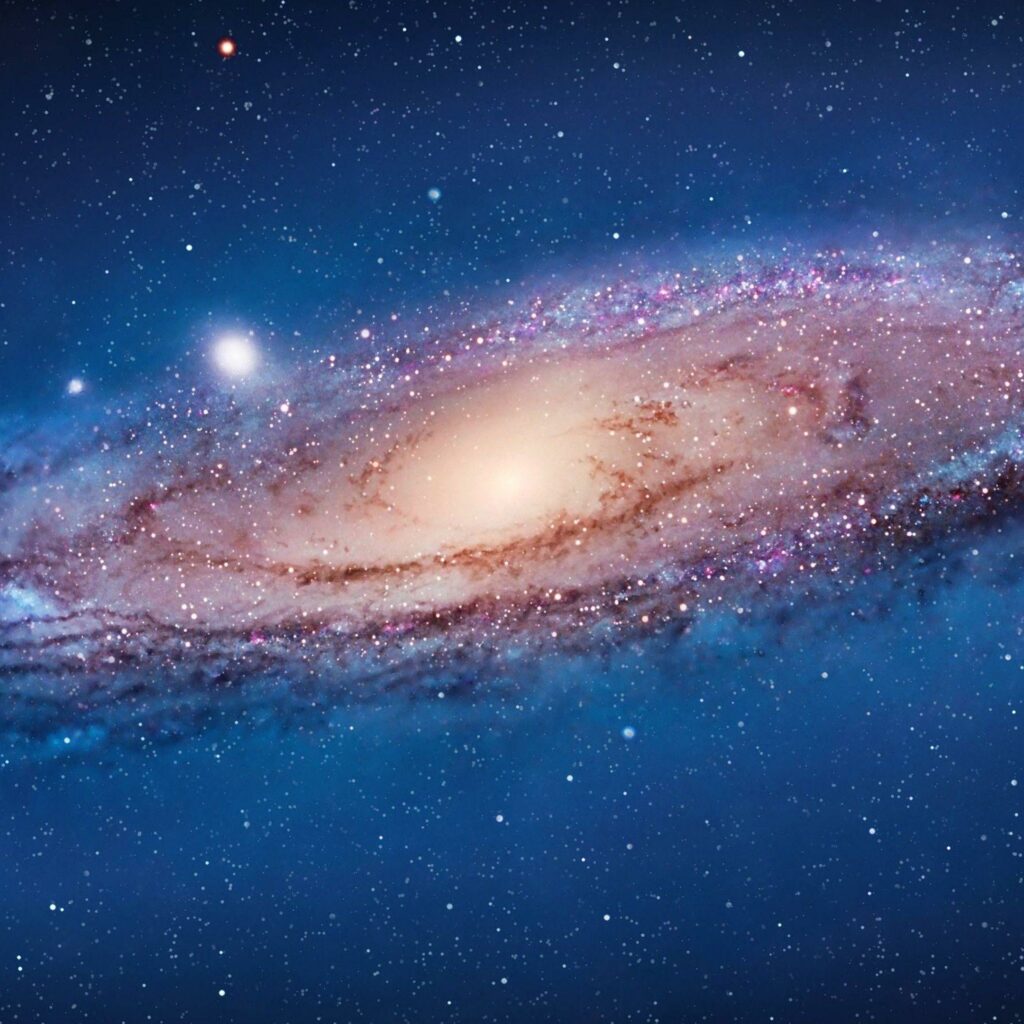
Ultra-high-definition (UHD) imaging refers to visual data captured at resolutions of no less than 3840 x 2160 pixels, offering an extraordinary level of detail far surpassing conventional imaging techniques. In the context of cosmology, UHD imaging enables scientists to observe celestial objects and phenomena with remarkable clarity, facilitating deeper insights into the universe’s structure and evolution.
- Resolution:
UHD images provide a pixel density that reveals fine structural details invisible to lower-resolution methods. - Scientific Utility:
Beyond aesthetic enhancement, UHD imaging serves as a critical tool for analyzing cosmic formations and transient events.
Significance of UHD Imaging in Astrophysical Research
The integration of UHD technology into astrophysical studies has revolutionized the way researchers map and interpret the cosmos. This advancement allows for the precise examination of galactic morphology, transient phenomena, and large-scale cosmic structures, thereby refining theoretical models and observational accuracy.
Applications in Galaxy Formation and Evolution
High-resolution imaging plays a pivotal role in dissecting the complex architecture of galaxies. UHD images reveal intricate substructures such as star-forming regions and dark matter halos, which are essential for understanding the hierarchical processes that drive galaxy assembly over billions of years.
- Stellar Nurseries:
Detailed imaging uncovers regions where new stars are born, shedding light on star formation rates and mechanisms. - Dark Matter Halos:
Observations of these invisible structures help validate cosmological models like ΛCDM, which incorporate dark matter and dark energy as fundamental components.
Observing Transient Astrophysical Phenomena
UHD imaging is indispensable for capturing fleeting cosmic events such as supernovae and gamma-ray bursts. The rapid acquisition of high-definition data allows scientists to analyze the energy emissions, spectral characteristics, and temporal evolution of these explosive occurrences with unprecedented precision.
Mapping the Large-Scale Structure of the Universe
Beyond individual celestial bodies, UHD imaging contributes to the detailed survey of the cosmic web-the vast network of filaments and voids shaped by gravitational forces. These structures provide critical insights into matter distribution, dark energy, and the universe’s expansion history.
Technological Innovations and Augmented Reality in Cosmology
Recent advancements in astrophotography have enabled the fusion of UHD images with augmented reality (AR) platforms. This synergy offers interactive and immersive visualizations of cosmic phenomena, enhancing both scientific analysis and public engagement by making complex astronomical data more accessible and comprehensible.
Enhancements in Spectral Analysis Through UHD Imaging
Combining UHD imaging with spectroscopy allows for the detection of subtle variations in the spectral signatures of celestial objects. This capability is vital for determining the chemical compositions of stars, planets, and other bodies, which has profound implications for astrobiology and the search for extraterrestrial life.
Integration with Machine Learning for Advanced Data Analysis
The exponential growth of astronomical data necessitates sophisticated computational tools. Machine learning algorithms trained on UHD datasets can efficiently classify celestial objects, identify features, and predict evolutionary trends, thereby accelerating discoveries and expanding analytical possibilities in cosmology.
Collaborative International Projects Utilizing UHD Technology
Global initiatives such as the Square Kilometre Array (SKA) and the James Webb Space Telescope (JWST) exemplify the application of UHD imaging in cutting-edge research. These projects employ multi-wavelength observations, from radio to infrared, to provide comprehensive insights into cosmic phenomena and the universe’s history.
Why UHD Imaging is Crucial in Modern Cosmology
The advent of ultra-high-definition imaging marks a transformative era in astrophysics, enhancing observational precision and analytical depth. This technology not only refines our understanding of galactic dynamics, dark energy, and cosmic evolution but also democratizes scientific knowledge through interactive visualization tools. As UHD imaging continues to evolve alongside computational advancements, it promises to unlock new frontiers in our exploration of the cosmos.
Common Misconceptions About UHD Imaging in Cosmology
UHD imaging is only about producing visually appealing images.
While UHD images are visually striking, their primary value lies in enabling detailed scientific analysis that informs cosmological theories.
Higher resolution always means better scientific outcomes.
Although resolution is important, the integration of UHD imaging with other data types and analytical methods is essential for comprehensive understanding.
Real-World Examples of UHD Imaging Impact
One notable application is the detailed study of supernova remnants, where UHD imaging has revealed complex shockwave structures and elemental distributions. Similarly, UHD surveys of galaxy clusters have refined measurements of dark matter distribution, supporting or challenging existing cosmological models.
FAQ
What is ultra-high-definition imaging in cosmology?
It is a high-resolution imaging technique that provides detailed views of celestial objects and phenomena, improving the accuracy of cosmological observations and models.
Why is UHD imaging important for studying dark matter and dark energy?
UHD imaging allows precise mapping of cosmic structures like filaments and voids, which helps scientists understand the distribution and influence of dark matter and dark energy in the universe.
How does augmented reality enhance cosmology research?
Augmented reality merges UHD images with interactive experiences, making complex cosmic data more accessible and engaging for researchers and the public.
Can machine learning improve cosmological data analysis?
Yes, machine learning algorithms can efficiently process large UHD datasets to classify celestial objects, identify patterns, and predict their evolution.
What are some challenges in using UHD imaging for cosmology?
Challenges include managing massive data volumes, requiring advanced computational resources and interdisciplinary collaboration for effective analysis.


Leave a Reply