
Short Answer
Definition
The convergence of neuroscience and physics represents a compelling interdisciplinary domain that merges the study of the brain with the fundamental laws governing matter and energy. Neuroscience focuses on deciphering the complex networks of neurons, synaptic communication, and brain functions that underlie cognition, behavior, and consciousness. Physics, on the other hand, offers theoretical frameworks and analytical tools that can deepen our comprehension of these biological phenomena by applying principles from areas such as quantum mechanics, electrodynamics, and thermodynamics.
Interdisciplinary Foundations
Neuroscience investigates how electrochemical signals within neural circuits translate into mental processes and behaviors. Physics contributes by providing mathematical models and simulation techniques that help analyze the brain as a complex adaptive system. The brain’s vast network of trillions of synapses exemplifies complexity that can be explored through statistical mechanics and nonlinear dynamics, enabling researchers to understand how collective neural activity gives rise to higher cognitive functions.
Complex Systems and Neural Dynamics
Physicists excel in studying complex systems, which are characterized by numerous interacting components and emergent properties. The brain fits this description perfectly, as its function emerges from the interplay of countless neurons and synapses. By applying statistical physics, scientists can model neural interactions and predict patterns of activity that underlie learning, memory, and consciousness.
Applications of Physical Principles in Neuroscience
Several branches of neuroscience benefit directly from physical concepts and methodologies:
- Neuroinformatics:
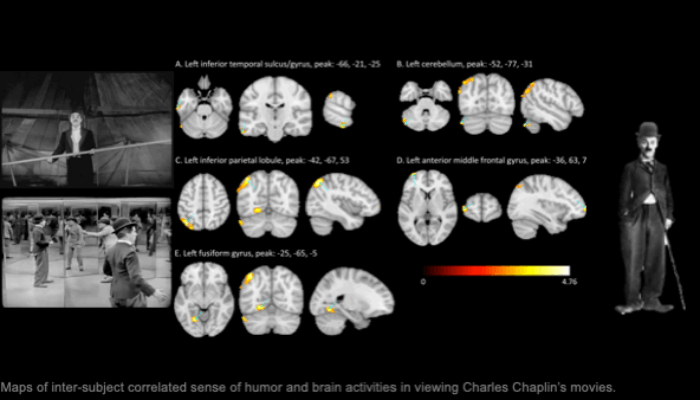
This field integrates physics, computer science, and biology to handle and interpret large-scale neurological data. Techniques derived from statistical physics and data science help extract meaningful information from complex brain datasets, improving brain mapping and enhancing predictions of neural responses. - Electrodynamics and Thermodynamics:
The electrical activity of neurons, including action potentials and synaptic transmission, can be understood through the lens of charge dynamics and energy transfer. Thermodynamic principles shed light on the metabolic energy requirements that sustain neural function, linking physical laws to biological energy consumption. - Brain-Computer Interfaces (BCIs):
BCIs exemplify the fusion of physics and neuroscience by utilizing signal processing, electromagnetism, and information theory to translate neural signals into digital commands. This technology not only advances medical treatments for neurological disorders but also raises profound questions about human identity and agency.
Mechanisms Underlying Brain Function
The brain operates through intricate electrochemical processes governed by physical laws. Neurons communicate via electrical impulses generated by ion exchanges across membranes, a phenomenon describable by electrodynamics. Additionally, the brain’s energy metabolism adheres to thermodynamic principles, ensuring efficient energy use to maintain neural activity and synaptic transmission.
Challenges in Integrating Physics and Neuroscience
Despite the promising synergy, merging physics with neuroscience presents significant obstacles. Biological systems often exhibit emergent behaviors-such as consciousness, memory, and emotions-that resist reduction to purely physical models. These phenomena involve complex, nonlinear interactions that challenge deterministic approaches common in physics. Therefore, successful integration demands an interdisciplinary mindset that respects biological complexity and fosters collaboration between physicists, neuroscientists, and biologists.
Why This Interdisciplinary Approach Is Important
Bridging physics and neuroscience offers transformative potential for both scientific understanding and practical applications. Viewing the brain as a dynamic system governed by physical laws encourages novel perspectives that can lead to breakthroughs in treating neurological diseases. Moreover, this approach enriches our grasp of consciousness and human experience by situating mental phenomena within a broader physical context.
Philosophical and Scientific Implications
Engagement with neuroscience invites physicists to explore profound questions about the nature of consciousness and existence. Why do subjective experiences arise from neural electrochemical activity? Can the principles of physics fully explain the essence of thought and awareness? These inquiries not only stimulate academic debate but also inspire future generations to investigate reality through diverse scientific lenses.
Conclusion
Incorporating neuroscience into the realm of physics research is both a rational and intellectually stimulating endeavor. As scientific disciplines increasingly intersect, the collaboration between physics and neuroscience exemplifies the power of interdisciplinary inquiry. By embracing this convergence, researchers can deepen our understanding of the brain, advance treatments for neurological conditions, and contribute to a richer narrative of human consciousness and existence.
FAQ
Why is neuroscience relevant for physicists?
Neuroscience involves complex systems where physical models and mathematical tools can help explain neural dynamics and brain functions.
What role does quantum mechanics play in neuroscience?
Quantum mechanics raises important questions about consciousness and may provide insights into the fundamental workings of neuronal activity.
How can statistical mechanics aid neuroscience research?
Statistical mechanics helps model large networks of neurons and understand their collective behavior, which is crucial for cognitive functions.
What is neuroinformatics?
Neuroinformatics combines computer science and physics to analyze large neurological datasets, improving brain mapping and neural response predictions.
What are brain-computer interfaces?
Brain-computer interfaces are technologies that translate brain signals into digital commands, relying on physics principles like electromagnetism and signal processing.




Leave a Reply