

Short Answer
Definition of MRI Scan Duration
Magnetic Resonance Imaging (MRI) is a pivotal diagnostic technique in contemporary medicine, celebrated for its ability to produce highly detailed images of internal body structures. A common inquiry among patients and their families concerns the length of time an MRI scan takes, which typically averages around 45 minutes. Understanding why this procedure requires such a duration involves examining the technology, procedural steps, and patient-related factors that influence the overall scanning time.
Fundamentals of MRI Technology and Its Impact on Scan Time
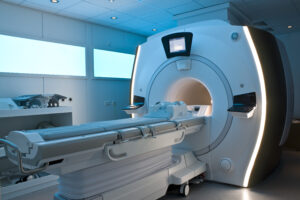
MRI technology fundamentally differs from other imaging methods like computed tomography (CT) or X-rays by utilizing powerful magnetic fields and radiofrequency pulses to generate images. This sophisticated process demands considerable time for the machine to collect sufficient data. The MRI system comprises a strong magnet, specialized coils, and electronic components that must establish a stable magnetic environment to produce clear, diagnostically valuable images.
Pulse Sequences and Their Role
The MRI scan involves acquiring multiple image sequences, each designed to emphasize different tissue properties. Common sequences include T1-weighted and T2-weighted images, which reveal distinct aspects of tissue composition and pathology. Depending on the clinical question, radiologists may request several sequences during one session, thereby extending the scan duration. Advanced imaging modalities such as functional MRI (fMRI) and diffusion tensor imaging (DTI) require even longer acquisition times due to their complexity.
Patient-Specific Factors Influencing MRI Duration
Human anatomical diversity significantly affects the length of MRI examinations. Patients with larger body sizes may need extra time for proper positioning and signal optimization. Additionally, the presence of certain medical conditions or foreign objects can necessitate modifications in scanning protocols. MRI technologists must possess detailed anatomical knowledge and imaging expertise to adapt to these variations and ensure high-quality imaging results.
Patient Comfort and Anxiety Management
The MRI environment demands a quiet, controlled setting to help patients remain calm. Anxiety, especially in individuals with claustrophobia or discomfort in confined spaces, can prolong the procedure. Technologists often spend additional time reassuring and preparing patients to minimize movement, which can degrade image quality. In some cases, sedation is employed, particularly for children or highly anxious patients, further lengthening the overall scan time.
Procedural Steps Affecting Total Scan Time
Preparation before the scan and post-scan activities contribute to the total time spent in the MRI suite. Prior to imaging, technologists explain the procedure, address patient questions, and review medical histories to identify contraindications such as pacemakers or metallic implants. After scanning, radiologists review preliminary images before reporting findings to the referring physician.
Importance of Precise Patient Positioning
Accurate alignment of the patient’s anatomy with the imaging planes is critical for optimal image quality. Even minor misalignments can necessitate repeat scans, increasing the total duration. This meticulous positioning process is essential to maximize diagnostic accuracy and minimize the need for rescanning.
Technological Advances and Their Effect on Scan Efficiency
Modern MRI systems incorporate advanced coil technology that enhances signal detection and transmission. High-density coils improve the signal-to-noise ratio, allowing for faster image acquisition without sacrificing diagnostic quality. Despite these improvements, complex examinations still require substantial time, as the need for multiple sequences and views remains.
Multiple Anatomical Views
MRI scans often include several planes-axial, sagittal, and coronal-to provide comprehensive anatomical information. This multi-planar approach is especially important in neurological and musculoskeletal assessments but contributes to longer scan times.
Why MRI Scan Duration Is Important
Understanding the factors that influence MRI scan length is crucial for patients and healthcare providers. It highlights the balance between technological capabilities, procedural thoroughness, and patient-centered care. Recognizing the reasons behind the typical 45-minute duration fosters realistic expectations and appreciation for the complexity involved in acquiring high-quality diagnostic images.
Summary
The approximate 45-minute duration of an MRI scan results from a combination of advanced imaging technology, detailed procedural protocols, patient-specific considerations, and the necessity for multiple imaging sequences and views. This time investment ensures the production of precise, high-resolution images essential for accurate diagnosis and effective treatment planning in modern medicine.
FAQ
Why does an MRI scan take longer than other imaging tests?
MRI scans require strong magnetic fields and radiofrequency pulses to create detailed images, which takes more time than simpler imaging methods like X-rays or CT scans.
What contributes to the 45-minute duration of an MRI scan?
Factors include multiple pulse sequences requested, patient anatomy and positioning, patient comfort and anxiety management, and the complexity of the diagnostic examination.
Can the MRI scan time be reduced?
While advanced coil technology and faster imaging algorithms improve efficiency, scan times remain around 45 minutes to ensure diagnostic image quality.
Does patient anxiety affect the length of an MRI scan?
Yes, anxious or claustrophobic patients may need extra time for preparation and comfort measures, sometimes sedation, which can increase the total scan time.




Leave a Reply