
Short Answer
Understanding the Intersection of Molecular Biology and Radiology
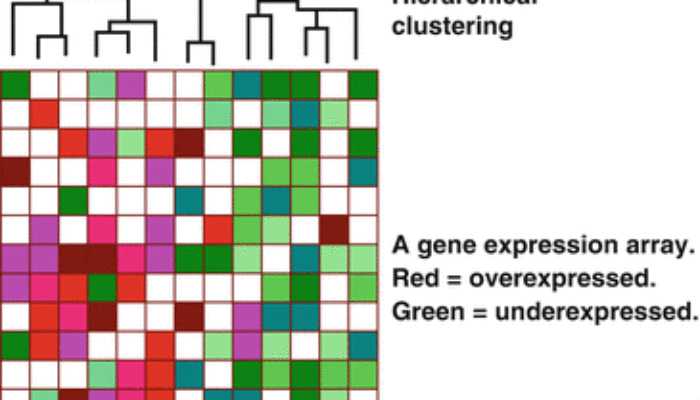
The fusion of molecular biology with radiology represents a captivating frontier in modern healthcare, captivating researchers and medical professionals alike. This interdisciplinary nexus raises a compelling question: can the detailed insights from molecular biology enhance the interpretation and utility of radiological imaging? Exploring this synergy offers promising avenues for advancing both diagnostic precision and therapeutic strategies.
Foundations of Molecular Biology and Radiology
Essence of Molecular Biology
Molecular biology focuses on the intricate processes occurring at the molecular scale within living organisms. It investigates the structure, function, and interactions of essential biomolecules such as DNA, RNA, proteins, and metabolites. This microscopic examination has profoundly transformed our comprehension of disease mechanisms, enabling the development of targeted treatments and personalized healthcare approaches.
Role of Radiology in Medicine
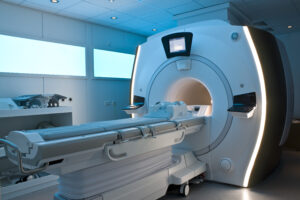
Radiology provides a non-invasive window into the human body, revealing anatomical structures and pathological changes through various imaging modalities. Techniques like magnetic resonance imaging (MRI), computed tomography (CT), and positron emission tomography (PET) have revolutionized clinical diagnostics by visualizing both physical and biochemical alterations. However, traditional imaging often lacks the ability to directly reveal the molecular drivers behind disease progression.
Integrating Molecular Insights into Radiological Practice
Enhancing Diagnostic Accuracy
Incorporating molecular biology into radiology elevates the specificity and sensitivity of imaging methods. Hybrid imaging technologies, such as PET/MRI, enable simultaneous capture of anatomical and molecular data, allowing clinicians to observe molecular targets in real time. This integration transforms imaging from merely depicting structural abnormalities to elucidating the molecular basis of diseases.
Technological Innovations and Molecular Tracers
Developing novel molecular tracers that selectively bind to specific biological targets is a key innovation in this field. These tracers, optimized for use in PET or single-photon emission computed tomography (SPECT), facilitate early detection of conditions like cancer by highlighting molecular changes before anatomical symptoms become apparent. Such advancements have the potential to significantly influence treatment planning and patient outcomes.
Challenges in Bridging Molecular Biology and Radiology
Data Complexity and Interpretation
The integration of molecular data with imaging results presents significant challenges due to the complexity, high dimensionality, and heterogeneity of biological datasets. Clinicians must navigate these intricate data landscapes to accurately interpret imaging findings within a molecular framework.
Interdisciplinary Collaboration and Education
Effective collaboration between radiologists and molecular biologists is essential but often hindered by differences in terminology and conceptual approaches. Addressing this requires educational programs that foster a shared language and understanding, enabling seamless communication and teamwork across disciplines.
Ethical Considerations
As molecular imaging technologies advance, ethical issues become increasingly prominent. Concerns include obtaining informed patient consent, safeguarding data privacy, and preventing misuse of sensitive molecular information. Proactive ethical training and policy development are critical to responsibly managing these challenges.
Strategies for Effective Integration
Multidisciplinary Research and Collaboration
Establishing research teams that combine expertise from molecular biology, radiology, and related fields promotes the exchange of ideas and accelerates innovation. Collaborative initiatives and cross-disciplinary training programs are vital for cultivating professionals skilled in both domains.
Educational Initiatives
Designing curricula that encompass both molecular biology and radiology prepares future healthcare providers to navigate this integrated landscape. Workshops, seminars, and interactive learning environments encourage critical thinking and foster appreciation for the interconnectedness of these fields.
Significance of the Molecular Biology-Radiology Interface
The convergence of molecular biology and radiology holds transformative potential for medicine. By combining molecular-level insights with advanced imaging, clinicians can achieve more precise diagnoses, tailor treatments to individual molecular profiles, and ultimately improve patient care. This integration is a cornerstone of precision medicine, promising a future where therapies are customized based on detailed molecular and anatomical information.
Frequently Asked Questions
Why is the integration of molecular biology and radiology important?
Combining these fields enhances diagnostic precision, supports personalized treatment plans, and improves overall patient outcomes by linking molecular mechanisms with imaging findings.
What advanced imaging techniques merge molecular and anatomical data?
Hybrid modalities such as PET/MRI enable the concurrent acquisition of detailed anatomical images alongside molecular activity, offering comprehensive insights into disease processes.
What obstacles exist in merging molecular biology with radiology?
Challenges include managing complex and diverse datasets, fostering effective interdisciplinary collaboration, and addressing ethical issues related to patient data privacy and consent.
How can education facilitate the integration of these disciplines?
Through specialized curricula, collaborative workshops, and shared learning platforms, education can build a common language and understanding, preparing professionals to work effectively across both fields.
What ethical challenges are associated with molecular imaging?
Key concerns involve ensuring informed patient consent, protecting sensitive molecular data, and preventing potential misuse of imaging information.



Leave a Reply