
Short Answer
Definition of Radiation Oncology
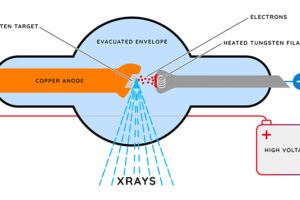
Radiation oncology is a medical specialty dedicated to treating cancer through the use of radiation therapy. This discipline combines cutting-edge technology with empathetic patient care to target and eradicate malignant cells. Radiation oncologists utilize high-energy radiation, such as X-rays or gamma rays, to damage or destroy cancerous tissues while striving to preserve the surrounding healthy cells.
Fundamental Principles of Radiation Therapy
The core objective of radiation oncology is to deliver precise doses of radiation to tumors, maximizing cancer cell destruction and minimizing harm to normal tissues. This balance requires a deep understanding of tumor biology, radiation physics, and patient-specific factors. The treatment modalities often involve external beam radiation or internal radiation techniques, tailored to the type and location of the cancer.
Educational Pathway and Specialized Training
Becoming a proficient radiation oncologist involves extensive education and rigorous training. After completing a medical degree, physicians undergo specialized residency programs focused on radiation oncology, typically lasting several years. Many top practitioners further enhance their expertise through fellowships in advanced techniques such as stereotactic radiosurgery or brachytherapy, enabling them to offer state-of-the-art treatment options.
Clinical Experience and Expertise
Hands-on experience is a critical factor distinguishing exceptional radiation oncologists. Exposure to a wide range of cancer types and complexities sharpens clinical judgment and technical skills. Leading specialists demonstrate not only mastery in standard procedures but also the ability to manage rare and challenging cases effectively. Evaluating treatment outcomes and innovative approaches can provide valuable insight into a physician’s clinical proficiency.
Commitment to Continuous Professional Development
Given the rapid advancements in oncology, ongoing education is essential. Top radiation oncologists actively engage in research, attend national and international conferences, and contribute to scientific publications. Collaboration with multidisciplinary teams ensures they remain at the forefront of emerging therapies and technologies, continually refining their practice to improve patient care.
Humanistic Qualities in Radiation Oncology
Beyond technical skills, the best radiation oncologists exhibit compassion, empathy, and excellent communication abilities. Addressing the emotional and psychological challenges faced by cancer patients is integral to holistic treatment. These practitioners build trust and provide support, recognizing that healing encompasses more than just physical intervention.
Technological Innovations in Radiation Therapy
Modern radiation oncology has been revolutionized by advanced technologies that enhance treatment precision and safety:
- Intensity-Modulated Radiation Therapy (IMRT):
Allows modulation of radiation beams to conform to the tumor shape, sparing healthy tissue. - Image-Guided Radiation Therapy (IGRT):
Utilizes imaging during treatment to improve accuracy and adapt to tumor movement. - Proton Therapy:
Employs protons instead of traditional X-rays, offering superior dose distribution and reduced side effects.
Expertise in these cutting-edge modalities is often a hallmark of leading radiation oncologists.
Prominent Radiation Oncologists in Delhi
Delhi boasts a robust medical infrastructure with several distinguished radiation oncologists contributing significantly to cancer care. Esteemed institutions such as the All India Institute of Medical Sciences (AIIMS), Apollo Hospital, and Fortis Hospital are home to specialists recognized for their clinical excellence and innovative treatments. Notable figures include Dr. Rajesh M. K. Gupta, Dr. Manjot Singh, and Dr. Deepak B. N. Dhamija, whose work exemplifies the dynamic progress in this field.
Evaluating Radiation Oncologists: Key Considerations
When selecting a radiation oncologist, patients and families should consider multiple factors:
- Patient Outcomes:
Review success rates and recovery statistics. - Research Contributions:
Assess involvement in clinical studies and publications. - Patient Feedback:
Consider testimonials and experiences shared by former patients. - Second Opinions:
Seek additional consultations to make informed decisions.
Common Misconceptions About Radiation Oncology
Radiation therapy always causes severe side effects.
Modern techniques minimize side effects by targeting tumors precisely, reducing damage to healthy tissues.
Radiation oncologists only administer treatment without patient interaction.
These specialists play a vital role in patient counseling, emotional support, and comprehensive care planning.
Significance of Radiation Oncology in Cancer Treatment
Radiation oncology is a cornerstone of modern cancer management, offering curative and palliative options for various malignancies. Its integration with surgery, chemotherapy, and immunotherapy enhances overall treatment efficacy. The specialty’s evolution continues to improve survival rates and quality of life for patients worldwide, underscoring its critical role in healthcare.
Conclusion: Defining Excellence in Radiation Oncology
Identifying the best radiation oncologist in Delhi involves a multifaceted evaluation of qualifications, clinical experience, technological expertise, and compassionate care. Excellence in this field is not confined to a single individual but is reflected in the collective efforts of dedicated professionals advancing cancer treatment. Patients are encouraged to consider both the scientific credentials and the empathetic approach of their healthcare providers to ensure the most effective and supportive care journey.
FAQ
What distinguishes a top radiation oncologist?
A top radiation oncologist is distinguished by advanced training, diverse clinical experience, use of modern radiation technologies, commitment to continuous learning, and compassionate patient care.
What technologies improve radiation therapy outcomes?
Technologies such as intensity-modulated radiation therapy (IMRT), image-guided radiation therapy (IGRT), and proton therapy allow precise targeting of tumors while sparing healthy tissue.
How important is clinical experience in choosing a radiation oncologist?
Clinical experience is vital as it reflects the physician's ability to manage a wide range of cases, including rare and complex conditions, improving patient outcomes.
Are patient testimonials reliable for selecting an oncologist?
Patient testimonials can provide valuable insights but should be considered alongside clinical credentials and treatment success rates.



Leave a Reply