2D materials can be relatively expensive for several reasons?

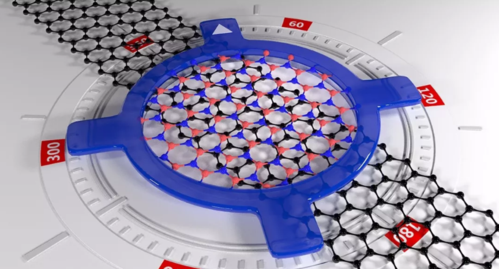
Definition of Two-Dimensional (2D) Materials Two-dimensional (2D) materials are substances consisting of a single layer of atoms, exhibiting unique physical and chemical properties due to their ultra-thin, planar structure. These materials have attracted considerable interest in materials science for their exceptional electrical, mechanical, and optical characteristics, which enable a wide range of applications from electronics […]

Read More →

What is graphene and its properties?

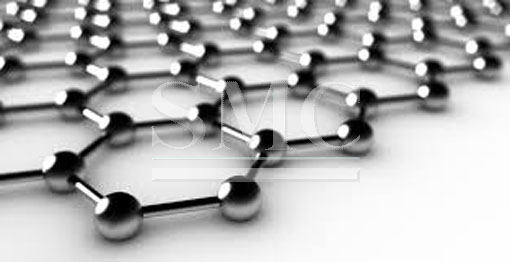
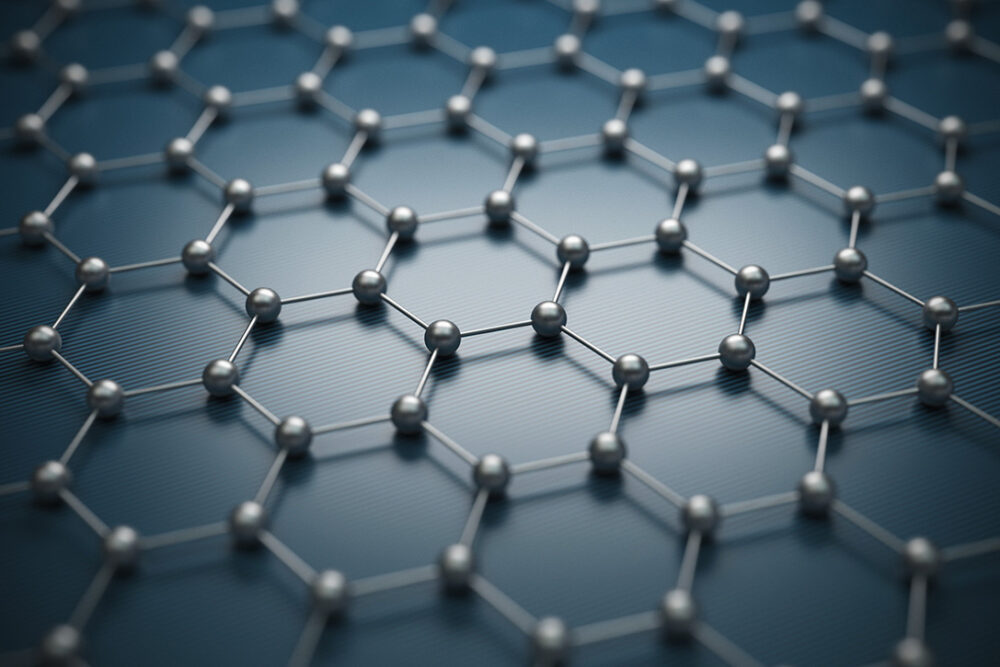
Definition of Graphene Graphene is a single layer of carbon atoms tightly packed into a two-dimensional honeycomb lattice. This atom-thin sheet represents the fundamental building block of many carbon-based materials and has attracted immense interest in materials science and condensed matter physics due to its extraordinary properties and versatile applications. Unique Physical Properties of Graphene […]

Read More →

Boron Nitride Membranes Ceramic – Boride Powder?

Definition and Overview of Boron Nitride Membranes Boron nitride (BN) membranes are advanced materials that have attracted considerable interest in modern materials science due to their exceptional properties and wide-ranging applications. Often referred to as “white graphite,” these membranes differ significantly from conventional boride powders in both structure and functionality. This article explores the synthesis […]

Read More →

How can learning MATLAB benefit a Materials Engineer?

Understanding MATLAB in Materials Engineering In the diverse and complex field of materials engineering, the intrinsic characteristics of materials form the foundation for innovative design and development. Proficiency in computational software is not just beneficial but essential for modern engineers. Among the various tools available, MATLAB emerges as a highly versatile and powerful platform, often […]

Read More →

Why don’t we hear about carbon nanotubes anymore?

Definition of Carbon Nanotubes Carbon nanotubes (CNTs) are cylindrical nanostructures composed exclusively of carbon atoms arranged in a hexagonal lattice. These nanoscale tubes exhibit remarkable mechanical, electrical, and thermal properties, making them a subject of intense scientific interest since their discovery in the early 1990s. Structure: CNTs consist of rolled sheets of graphene forming hollow […]

Read More →

Building Nanomagnets One Atom at a Time: Ultimate Magnetic Control

Understanding Nanomagnets Nanomagnets are magnetic structures engineered at the atomic or nanoscale level, where the magnetic properties arise from the precise arrangement and interaction of individual atoms. This field merges the principles of magnetism with nanotechnology, enabling the creation of materials with highly specialized magnetic behaviors. By manipulating magnetic moments-tiny magnetic fields associated with electrons-at […]

Read More →

How much force does it take to break graphene?

Definition of Graphene and Its Structural Characteristics Graphene is a unique allotrope of carbon distinguished by its two-dimensional, hexagonal lattice structure. It consists of a single atomic layer of carbon atoms arranged in a honeycomb pattern, where each atom forms strong covalent bonds with three neighboring atoms. This configuration results in an exceptionally stable and […]

Read More →

How is graphene made from graphite?

Definition of Graphene and Its Origin Graphene is a single layer of carbon atoms arranged in a two-dimensional honeycomb lattice, renowned for its extraordinary electrical, thermal, and mechanical properties. It is derived from graphite, a naturally occurring form of carbon composed of stacked layers of graphene sheets. This unique atomic structure endows graphene with remarkable […]

Read More →

Are the properties of graphene a myth?

Definition of Graphene Graphene is a single atomic layer of carbon atoms arranged in a two-dimensional hexagonal lattice. This unique structure endows graphene with a range of extraordinary physical and chemical properties, making it a subject of intense scientific and technological interest. Its atomic-scale thickness combined with exceptional strength and conductivity distinguishes it from other […]

Read More →

What is the natural color of graphene?

Definition of Graphene and Its Optical Properties Graphene is a single layer of carbon atoms arranged in a two-dimensional hexagonal lattice, just one atom thick. This extraordinary material has attracted widespread attention in scientific research due to its exceptional physical characteristics and versatile applications. One particularly intriguing aspect is the natural color of graphene, which […]

Read More →