
Short Answer
Definition of Graphene
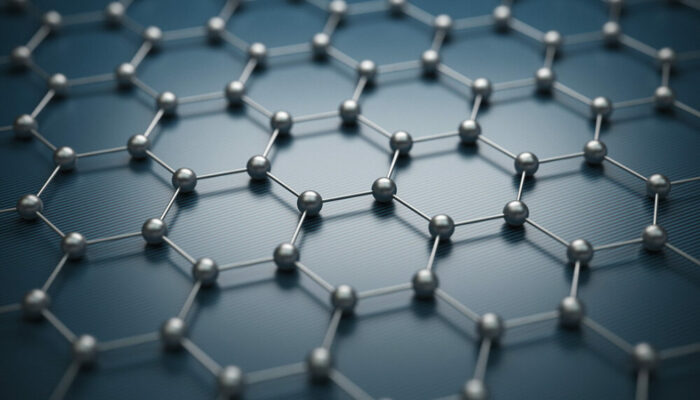
Graphene is a single layer of carbon atoms tightly packed into a two-dimensional honeycomb lattice. This atom-thin sheet represents the fundamental building block of many carbon-based materials and has attracted immense interest in materials science and condensed matter physics due to its extraordinary properties and versatile applications.
Unique Physical Properties of Graphene
Exceptional Electrical Conductivity
Graphene’s electrical behavior is unlike that of traditional carbon allotropes such as graphite or diamond. Electrons in graphene move through its lattice at extremely high speeds, effectively behaving as massless particles. This phenomenon arises from graphene’s distinctive band structure, enabling it to outperform conventional conductors. Such superior conductivity positions graphene as a promising material for next-generation electronic devices, potentially facilitating faster processing speeds and reduced energy consumption.
Remarkable Mechanical Strength
Despite its ultra-thin nature, graphene exhibits mechanical strength exceeding that of steel by over 100 times, while maintaining an exceptionally low weight. This combination of high tensile strength and flexibility opens new possibilities in sectors like aerospace and construction, where lightweight yet durable materials are crucial. Components made from graphene could lead to more efficient, sustainable, and resilient products.
Superior Thermal Conductivity
Graphene also excels in thermal management, demonstrating thermal conductivity that surpasses many metals. This property allows it to efficiently dissipate heat, which is vital for preventing overheating in electronic components. Consequently, graphene is being explored for use in thermal interface materials and heat spreaders, enhancing device reliability and performance.
Electronic and Optical Characteristics
Tunable Electronic Properties
One of graphene’s most intriguing features is its adjustable band structure. By employing chemical doping or applying external electric fields, researchers can modify its electronic properties. This tunability is critical for developing ultra-fast, low-power transistors and semiconductor devices, potentially revolutionizing the miniaturization and efficiency of electronic circuits.
Optical Transparency
Graphene is nearly transparent, absorbing only about 2.3% of visible light. This exceptional optical clarity makes it ideal for integration into optoelectronic devices such as touchscreens and advanced sensors, where maintaining transparency without sacrificing performance is essential.
Graphene-Based Heterostructures
Combining graphene with other two-dimensional materials like hexagonal boron nitride has led to the creation of heterostructures. These layered assemblies enable the design of nanoscale devices with customized electronic and optical properties. Such heterostructures are paving the way for innovative, scalable two-dimensional electronics with enhanced functionality.
Applications in Energy Storage
Graphene’s large surface area and excellent electrical conductivity make it an outstanding material for energy storage technologies. It facilitates rapid charging and discharging, which is advantageous for supercapacitors and batteries. Integrating graphene with traditional materials can significantly boost energy density and charging speeds, critical for advancing electric vehicles and renewable energy systems.
Biomedical Potential of Graphene
Due to its biocompatibility, graphene is gaining attention in medical fields. Its surface can be functionalized to deliver drugs, genes, or other therapeutic agents directly to targeted sites, enhancing treatment precision. Additionally, graphene-based sensors offer heightened sensitivity, capable of detecting biomolecules at very low concentrations, which is vital for early disease diagnosis.
Challenges in Graphene Production and Integration
Despite its promising attributes, graphene faces obstacles related to manufacturing and practical application. Current synthesis techniques are often complex and may not be scalable for mass production. Ensuring consistent quality and integrating graphene seamlessly into existing technologies remain significant challenges that ongoing research aims to overcome.
Why Graphene is a Groundbreaking Material
Graphene embodies a unique convergence of exceptional electrical, mechanical, thermal, and optical properties, making it a revolutionary material in science and technology. Its potential to transform industries such as electronics, energy storage, aerospace, and biomedicine underscores its importance. Continued exploration and innovation in graphene research promise to unlock new technological frontiers and sustainable solutions.
Summary
In essence, graphene represents a milestone in modern materials science-a simple yet profoundly versatile arrangement of carbon atoms that yields extraordinary properties. Its diverse applications are set to redefine multiple fields, from electronics to healthcare, highlighting humanity’s ongoing quest to harness nature’s fundamental elements for innovative and impactful advancements.
FAQ
What is graphene?
Graphene is a single layer of carbon atoms arranged in a two-dimensional honeycomb lattice, known for its extraordinary physical and chemical properties.
What makes graphene unique compared to other materials?
Its exceptional electrical conductivity, mechanical strength, thermal conductivity, and optical transparency distinguish it from other materials.
What are the main uses of graphene?
Graphene is used in advanced electronics, composite materials, energy storage devices, photonic applications, and biomedical engineering.
Are there any difficulties in producing graphene on a large scale?
Yes, current production methods are complex and face challenges in scalability and quality control.
How does graphene contribute to energy storage technologies?
Due to its large surface area and high conductivity, graphene enhances charge/discharge rates and energy density in batteries and supercapacitors.






Leave a Reply