
Short Answer
Definition of Two-Dimensional (2D) Materials
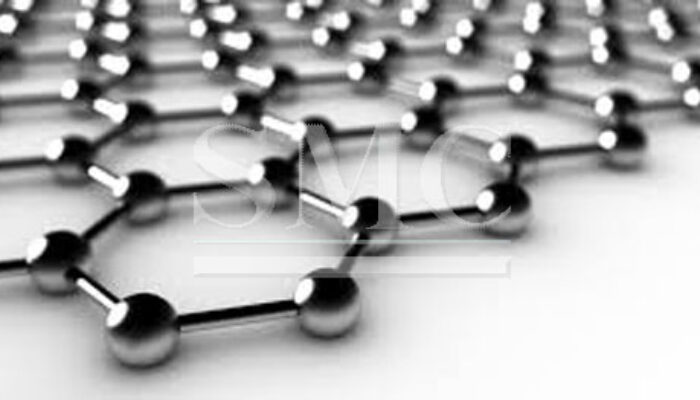
Two-dimensional (2D) materials are substances consisting of a single layer of atoms, exhibiting unique physical and chemical properties due to their ultra-thin, planar structure. These materials have attracted considerable interest in materials science for their exceptional electrical, mechanical, and optical characteristics, which enable a wide range of applications from electronics to energy storage.
- Atomic Thickness:
2D materials are typically one or a few atoms thick, giving rise to novel quantum and surface phenomena. - Examples:
Graphene, transition metal dichalcogenides (TMDs), and hexagonal boron nitride are prominent examples of 2D materials.
Synthesis Techniques and Their Intricacies
The production of 2D materials involves highly specialized and precise methods, each with its own set of challenges that contribute to the overall cost. Common fabrication techniques include mechanical exfoliation, chemical vapor deposition (CVD), and liquid phase exfoliation.
- Mechanical Exfoliation:
This method involves peeling layers from bulk crystals but is limited in scalability and uniformity. - Chemical Vapor Deposition (CVD):
CVD deposits gaseous precursors onto substrates under tightly controlled conditions of temperature, pressure, and gas composition, requiring sophisticated equipment and expertise. - Liquid Phase Exfoliation:
This technique disperses bulk materials in solvents to isolate thin layers but often results in lower quality and yield.
The complexity and precision required in these processes elevate operational expenses and create significant barriers for mass production, limiting the number of manufacturers capable of efficient scale-up.
Ensuring Purity and Quality Control
The performance of 2D materials in practical applications is heavily dependent on their purity and structural integrity. Even minor defects or contaminants can drastically impair their electronic, optical, or mechanical properties.
- Importance of Purity:
High-purity materials are essential to achieve the desired functionality and reliability in devices. - Characterization Techniques:
Advanced methods such as Raman spectroscopy, atomic force microscopy (AFM), and electron microscopy are employed to detect defects and verify quality. - Cost Implications:
These rigorous quality assurance steps add complexity and financial burden to the production process.
Challenges in Scaling Production
Moving from laboratory-scale synthesis to industrial-scale manufacturing presents significant obstacles. The delicate nature of 2D materials and the precision required in their fabrication do not easily translate to mass production environments.
- Fabrication Facility Requirements:
Specialized infrastructure with precise environmental controls is necessary, demanding substantial capital investment. - Production Efficiency:
Low yield rates and process inefficiencies during scale-up increase costs and limit supply. - Economic Impact:
These factors collectively contribute to the high price point of 2D materials in the commercial market.
Market Dynamics and Economic Factors
The demand for 2D materials is driven by their promising applications in cutting-edge technologies such as photonics, nanoelectronics, and energy devices. This demand, combined with limited supply, creates a speculative market environment.
- Speculative Investment:
Investors and companies often speculate on the future potential of 2D materials, inflating prices. - Supply Constraints:
Scarcity of certain materials like graphene and TMDs leads to price volatility influenced by technological advances and regulatory changes. - Market Volatility:
Fluctuations in availability and demand can cause sudden cost spikes, complicating long-term planning for industrial users.
Intellectual Property and Licensing Considerations
The development of 2D materials is heavily protected by patents and intellectual property rights, which can impose additional financial burdens on companies seeking to utilize these materials.
- Patent Landscape:
Numerous patents cover synthesis methods, material compositions, and applications, creating a complex legal environment. - Licensing Fees:
Companies may incur substantial costs to license patented technologies, increasing production expenses. - Innovation Barriers:
High licensing costs can hinder smaller enterprises from entering the market, potentially slowing overall technological progress.
Significance and Future Outlook
Despite the current financial and technical challenges, 2D materials hold transformative potential across multiple scientific and industrial fields. Overcoming the hurdles related to synthesis, quality control, scalability, and intellectual property is crucial for broader adoption.
Ongoing research aims to develop more cost-effective production methods and improve material quality, which could democratize access to these materials. Success in these areas promises to accelerate innovation in electronics, energy storage, sensors, and beyond, fundamentally reshaping the materials science landscape for future generations.
Summary
The elevated costs of 2D materials stem from a combination of intricate synthesis processes, stringent purity requirements, scalability difficulties, market speculation, and intellectual property constraints. Addressing these multifaceted challenges is essential to unlock the full potential of 2D materials and enable their widespread application in advanced technologies.
FAQ
Why are 2D materials more expensive than traditional materials?
2D materials are expensive due to the complexity of their synthesis methods, the need for high purity and quality assurance, challenges in scaling production, market demand and speculation, and intellectual property licensing costs.
What synthesis methods contribute to the high cost of 2D materials?
Common synthesis methods such as mechanical exfoliation, chemical vapor deposition (CVD), and liquid phase exfoliation require specialized equipment and expertise, which increase production costs.
How does market demand affect the price of 2D materials?
High demand driven by potential applications in electronics, photonics, and energy storage, combined with limited supply, leads to market speculation and price volatility.
What role does intellectual property play in the cost of 2D materials?
Patents and licensing fees increase production costs and can create barriers for smaller companies, limiting market competition and innovation.
Are there efforts to reduce the cost of 2D materials?
Yes, ongoing research in improving synthesis techniques, purification methods, and scaling processes aims to lower production costs and make 2D materials more accessible.






Leave a Reply