Graphene Borophene and Beyond: The New Age of Atom-Thin Marvels

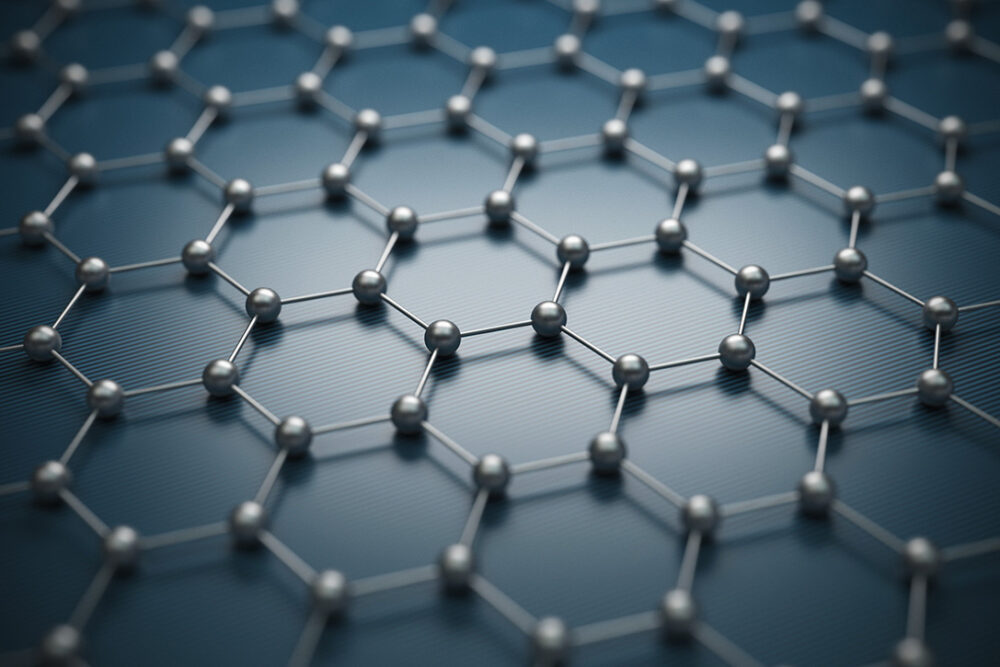
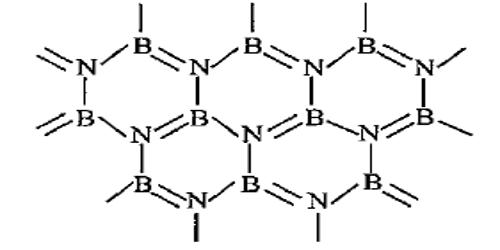
Definition of Atom-Thin Materials Atom-thin materials, also known as two-dimensional (2D) materials, are substances consisting of a single or few layers of atoms arranged in a planar structure. These materials exhibit extraordinary physical, chemical, and electronic properties that differ significantly from their bulk counterparts due to their reduced dimensionality and unique atomic arrangements. Graphene: A […]

Read More →

What is graphene useful for?

Understanding Graphene: Definition and Structure Graphene is an extraordinary form of carbon consisting of a single atomic layer arranged in a two-dimensional hexagonal lattice. This unique atomic configuration endows graphene with a suite of remarkable physical and chemical properties that have captivated researchers across multiple scientific disciplines, including materials science, electronics, and environmental technology. Atomic […]

Read More →

Strange Matters: Copper Collisions Get Weird

Understanding Copper Collisions Copper collisions represent a fascinating subject within physics, where the interactions between copper atoms and particles reveal phenomena that challenge traditional concepts of matter. These collisions not only deepen our understanding of material properties but also intersect with quantum mechanics and particle physics, highlighting complex behaviors that emerge under various conditions. This […]

Read More →

Bubbles Feel the Heat: Microscopic Collapse Meets Thermodynamics

Definition and Classification of Bubbles Bubbles are gas-filled pockets encapsulated by thin liquid films, representing a unique physical state where gas and liquid phases interact dynamically. These structures are studied extensively within physics, particularly through the lenses of thermodynamics and fluid mechanics, due to their intriguing responses to temperature changes and pressure variations. Microbubbles: These […]

Read More →

Cells Dine on Nanotubes—with Deadly Results

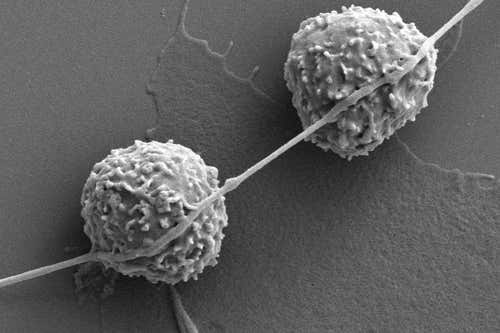
Definition of Cellular Interaction with Carbon Nanotubes Cellular interaction with carbon nanotubes (CNTs) refers to the process by which living cells encounter, internalize, and respond to these nanoscale cylindrical structures composed primarily of carbon atoms. This interaction is significant because it bridges the gap between synthetic nanomaterials and biological systems, raising questions about compatibility, toxicity, […]

Read More →

What are the future applications for graphene?

Definition of Graphene Graphene is a single layer of carbon atoms arranged in a two-dimensional honeycomb lattice. Since its groundbreaking isolation in 2004, this allotrope of carbon has attracted widespread scientific and industrial interest due to its extraordinary physical and chemical properties. It exhibits exceptional strength, electrical conductivity, and thermal performance, making it a revolutionary […]

Read More →

Why is it difficult to produce large sheets of graphene?

Definition of Graphene Graphene is a single-atom-thick layer of carbon atoms arranged in a two-dimensional honeycomb lattice. It is celebrated for its extraordinary electrical conductivity, thermal stability, and mechanical strength, making it a standout material in modern science and engineering. Due to these exceptional characteristics, graphene is often referred to as a “wonder material” with […]

Read More →

Nanoribbons Go the Distance: Ballistic Electrons Travel Far

Definition of Nanoribbons and Ballistic Electrons Nanoribbons are ultra-thin strips of material, often derived from two-dimensional substances like graphene, that exhibit unique electrical and physical properties at the nanoscale. These structures have become pivotal in advancing nanoscale physics, particularly in the study of electron conduction. A key concept related to electron transport in these materials […]

Read More →

How can graphene be used in dentistry?

Definition and Fundamental Characteristics of Graphene Graphene is a single layer of carbon atoms arranged in a two-dimensional honeycomb lattice. This extraordinary material is celebrated for its exceptional mechanical strength, electrical conductivity, and compatibility with biological tissues. Its tensile strength surpasses that of steel by approximately 200 times, making it an outstanding candidate for applications […]

Read More →

What is the reason behind graphite’s layered structure?

Definition and Atomic Structure of Graphite Graphite is a crystalline allotrope of carbon distinguished by its distinctive layered arrangement. This structure plays a crucial role in determining graphite’s physical characteristics and its wide-ranging applications, from industrial lubricants to energy storage devices. At the atomic scale, graphite consists of carbon atoms organized in a two-dimensional hexagonal […]

Read More →