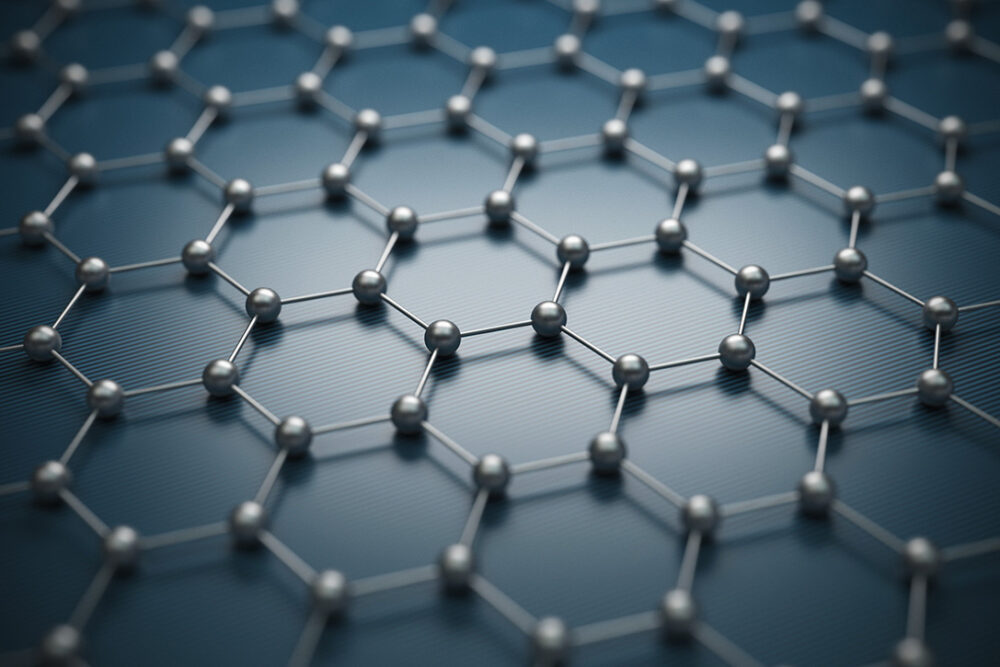
What are the downsides of graphene?

Definition and Overview of Graphene Graphene is a single layer of carbon atoms arranged in a two-dimensional honeycomb lattice, representing an allotrope of carbon. It has captivated researchers and industries alike due to its extraordinary characteristics, including exceptional mechanical strength, superior electrical conductivity, and remarkable flexibility. These attributes position graphene as a revolutionary material with […]
Read More →

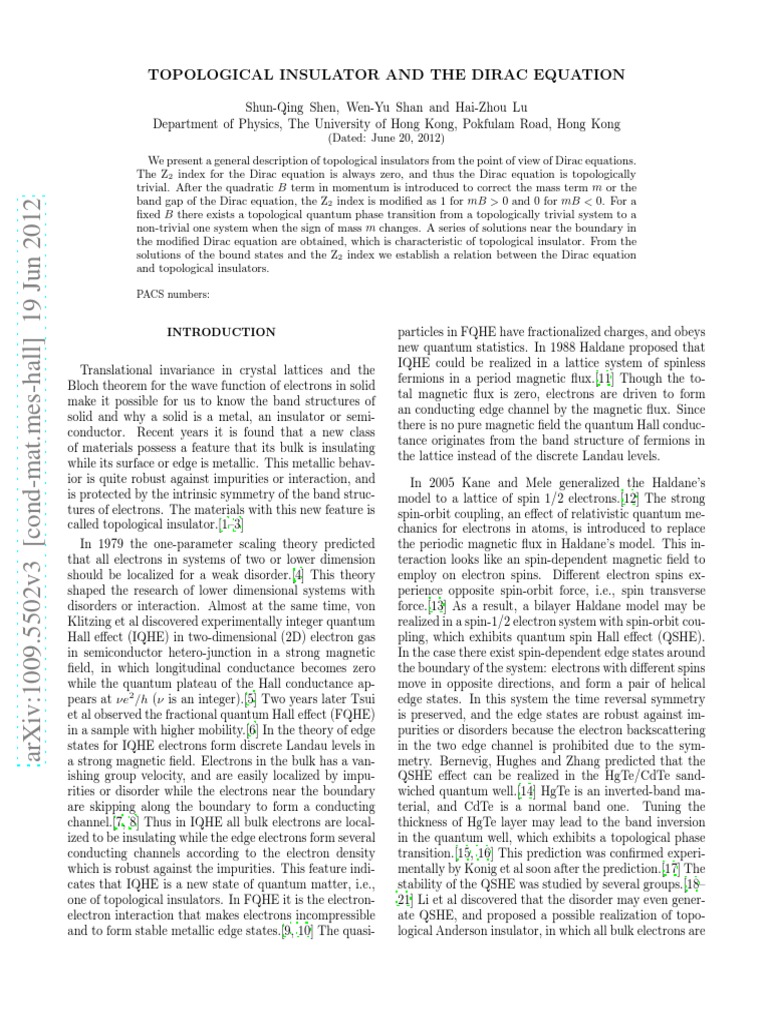
What is a topological insulator

Definition of Topological Insulators Topological insulators are a unique class of materials characterized by their ability to act as electrical insulators in their interior while simultaneously supporting conductive states on their surfaces or edges. This dual behavior arises from their distinctive electronic structure and topological order, which distinguishes them from conventional insulators and conductors. Bulk […]

Read More →

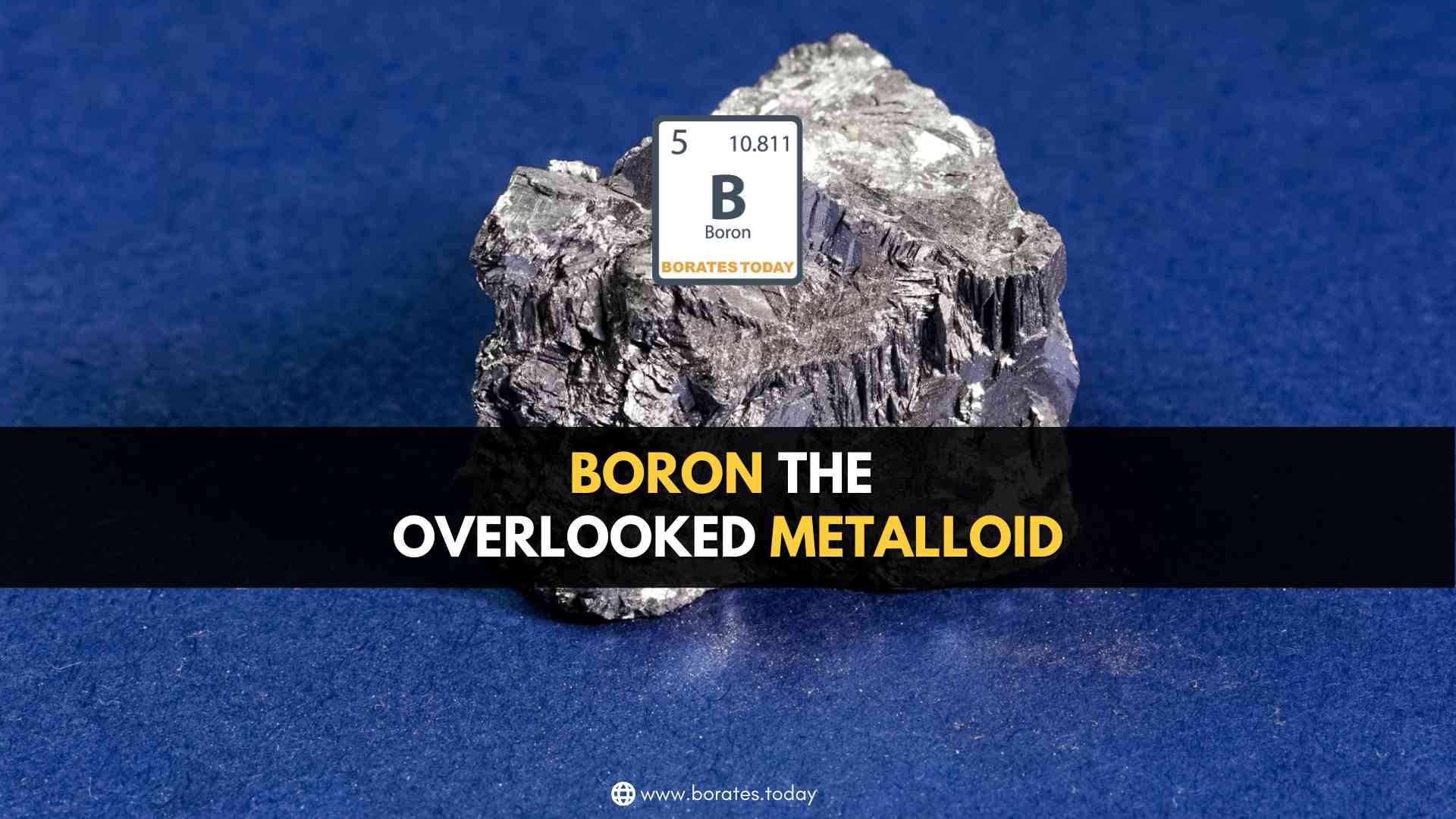
Is boron a metalloid?

Definition of Boron and Metalloid Classification Boron is an element positioned in group 13 of the periodic table, notable for its intriguing classification as a metalloid. Metalloids are elements that exhibit a combination of metallic and nonmetallic traits, placing them in a unique category between metals and nonmetals. These elements typically display semi-conductive behavior, moderate […]

Read More →

What is ‘colored state’ and ‘bleached state’ in nanomaterials?

Definition of Colored and Bleached States in Nanomaterials Nanomaterials exhibit unique optical phenomena, notably the colored and bleached states, which are critical to their diverse functionalities. These states represent distinct electronic and structural conditions that influence how nanomaterials interact with light, thereby affecting their appearance and performance in various applications. Colored State: This state arises […]

Read More →

How promising is graphene?

Definition of Graphene Graphene is a single-atom-thick layer of carbon atoms arranged in a two-dimensional honeycomb lattice. Since its groundbreaking isolation in 2004, it has captivated researchers due to its extraordinary physical and chemical properties. As an allotrope of carbon, graphene stands out for its unique combination of strength, conductivity, and thermal performance, making it […]

Read More →

Is graphene truly worth all the hype it gets from the media?

Definition of Graphene Graphene is a single atomic layer of carbon atoms arranged in a two-dimensional honeycomb lattice. Since its isolation in 2004, this material has attracted significant attention due to its exceptional physical and chemical properties. As a one-atom-thick sheet of carbon, graphene represents the thinnest and one of the strongest known materials, sparking […]

Read More →

Bubble Collapse Without Gravity: Strange Fluids in Microgravity

Understanding Bubble Dynamics in Microgravity The study of bubbles within fluid systems has long been a cornerstone of fluid dynamics research, particularly under Earth’s gravitational influence. However, the behavior of bubbles in microgravity environments presents a unique and complex challenge. Without the presence of gravity, the collapse and stability of bubbles reveal intricate fluid interactions […]

Read More →

Do 2D Objects Really Exist? A Physicist’s Dimensional Dilemma

Understanding Dimensions Dimensions are fundamental parameters that define how we perceive and describe spatial relationships. In classical geometry, dimensions represent independent directions necessary to specify the position of a point in space. A one-dimensional (1D) object has only length, such as a line segment, lacking width and height. Two-dimensional (2D) objects possess both length and […]

Read More →

Do two dimensional things have mass?

Understanding Two-Dimensionality In geometry, a two-dimensional (2D) object is defined by having only two measurable dimensions: length and width. Unlike three-dimensional (3D) objects, which possess depth and volume, 2D shapes exist solely on a flat plane. Common examples include circles, squares, and triangles. These figures lack thickness and cannot occupy space in the way 3D […]

Read More →

2D materials are important for several reasons?

Definition of Two-Dimensional Materials Two-dimensional (2D) materials are crystalline substances consisting of a single layer or a few atomic layers, exhibiting unique physical and chemical properties distinct from their bulk, three-dimensional counterparts. These ultrathin sheets have garnered immense interest due to their extraordinary characteristics and potential to revolutionize various scientific and technological domains. Atomic Thickness: […]

Read More →