Will there ever be another 2D Disney movie?

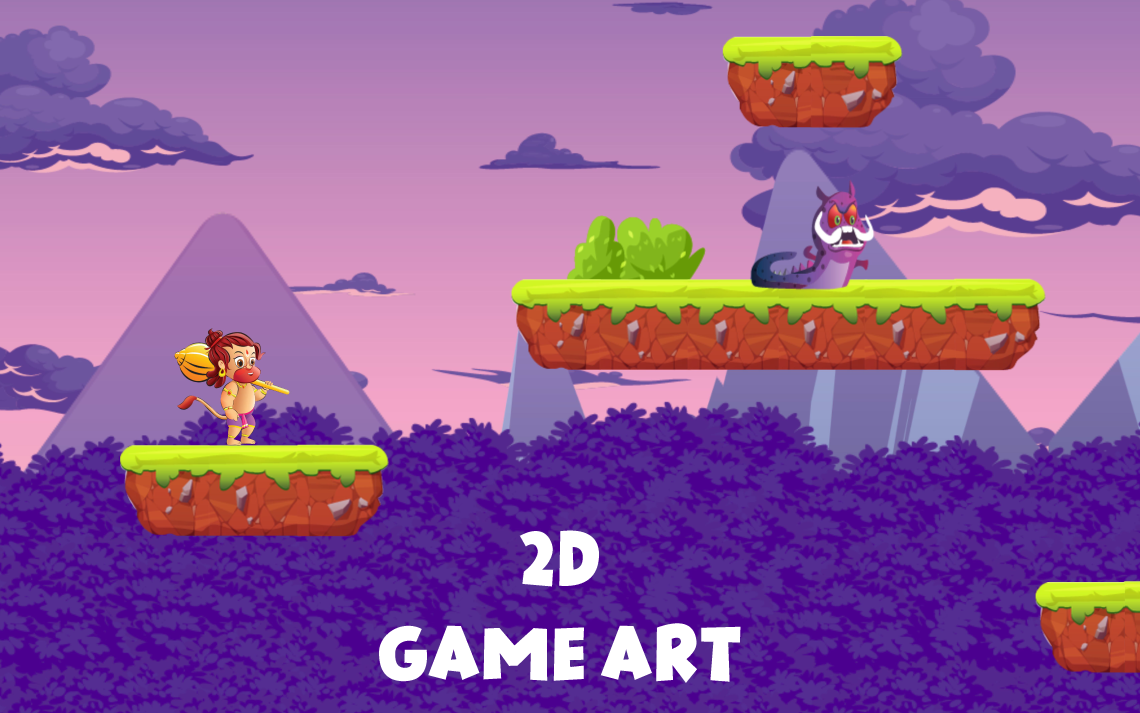
The medium of animation has undergone profound transformations over the decades, transitioning from traditional hand-drawn artistry to the technologically advanced realms of computer-generated imagery (CGI). Despite this innovative trajectory, there exists a nostalgic yearning among audiences for the classic 2D animation style that has characterized many of Disney’s most revered films. This article endeavors to […]

Read More →

How Does 2D Become 3D? From Flat Sketches to Solid Shapes

Understanding the transition from two-dimensional (2D) representations to three-dimensional (3D) forms is an intriguing topic that encapsulates the principles of geometry, art, and technology. This metamorphosis is not merely a physical transformation but a cognitive leap in how perception and representation are conceived. This article delves into various methodologies that facilitate this transformation, considering both […]

Read More →

What’s the use of a silicon carbide?

Silicon carbide (SiC) has surged to prominence within the realm of power electronics, attributable to its remarkable properties that can significantly enhance device performance. This article delves into the use of silicon carbide, elucidating its multifaceted applications, intrinsic advantages over traditional materials, and the future potential it holds within various technological domains. Initially, one must […]

Read More →

Which is the toughest material discovered by mankind?

Material science has long fascinated humankind, yielding a plethora of insights that underpin our industrial advancements and quotidian experiences. Recent strides in this domain beckon a reevaluation of our conceptual framework regarding materials and their properties. At the forefront of these explorations is the quest to identify the toughest material discovered thus far, a pursuit […]

Read More →

The Good And Bad Of 2D Materials – SemiTechnical?

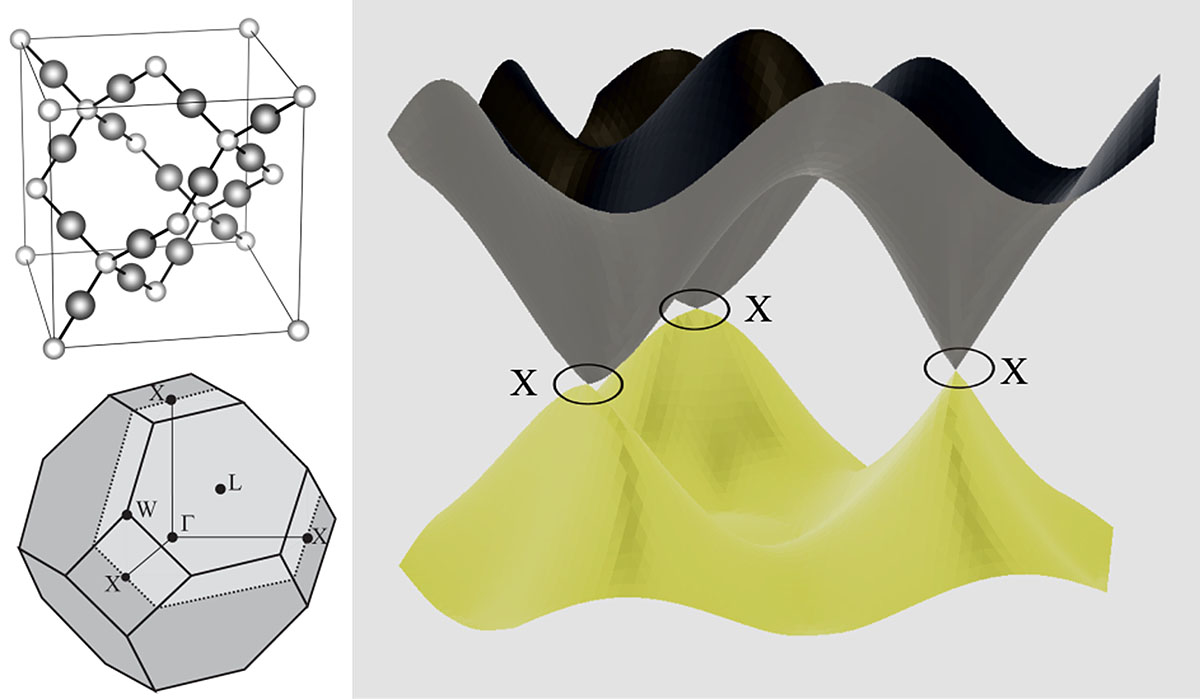
Two-dimensional (2D) materials have captivated the scientific community with their unique properties and potential applications across various fields. Graphene, the most notable of these materials, exemplifies the extraordinary promise of 2D structures. However, while the excitement surrounding 2D materials is palpable, they inherently embody a range of advantages and disadvantages that merit thorough examination. This […]

Read More →

Why is graphene desirable as a touch screen material?

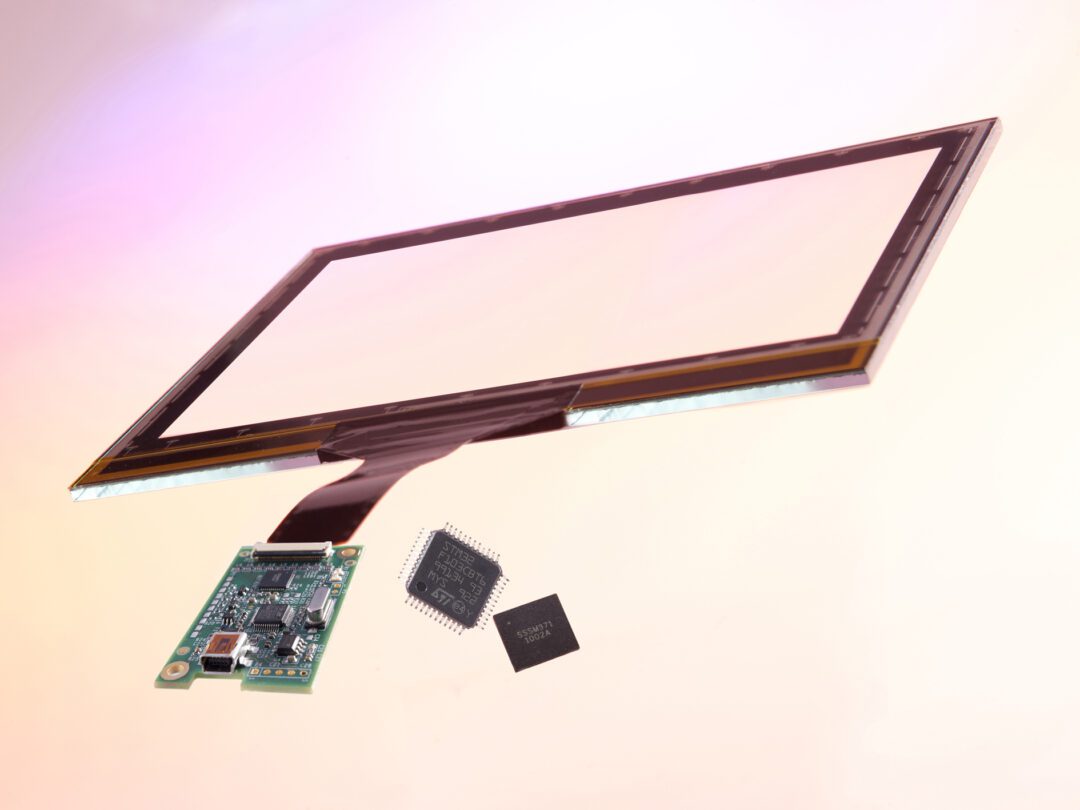
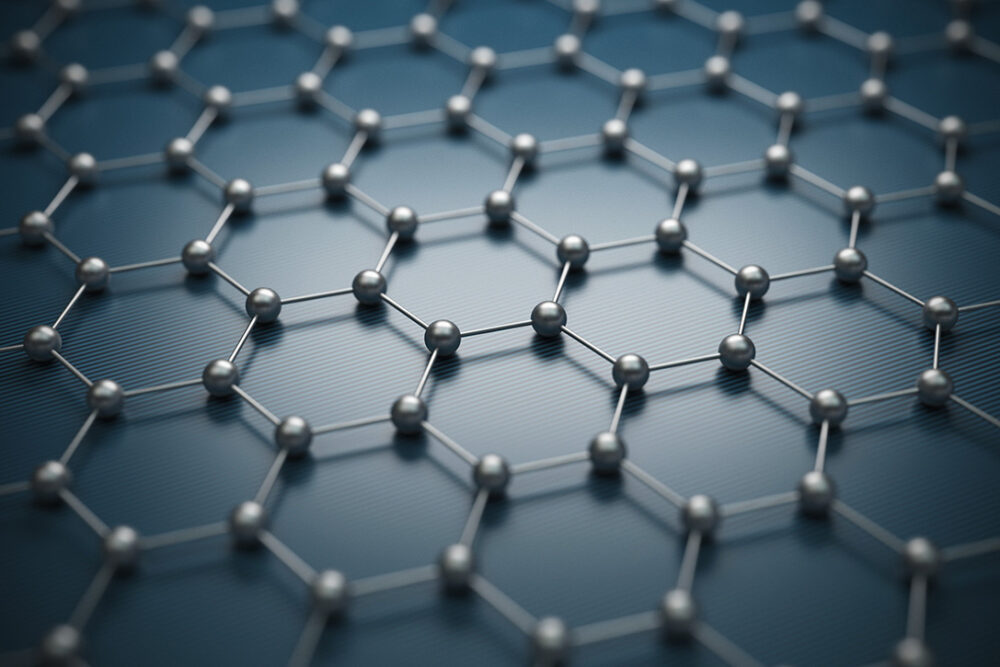
Graphene, a single layer of carbon atoms arranged in a two-dimensional honeycomb lattice, has garnered significant attention in various fields of science and technology, particularly as a novel material in touch screen applications. Its remarkable properties make it a compelling substitute for traditional materials used in touchscreen design. In this exposition, we shall delve into […]

Read More →

How long would it take to make a simple 2D game in Unity?

Creating a simple 2D game in Unity, a powerful and versatile game development engine, invites a myriad of considerations that can significantly alter the projected timeframe. While the question of “how long?” may seem straightforward, the answer is a confluence of various factors including project scope, individual skill level, and development practices. This discourse aims […]

Read More →

2D Material Solution? Why Engineers Are Thinking Flat

In recent years, engineers have increasingly gravitated towards the realm of 2D materials, akin to alchemists who seek to transmute their understanding of traditional three-dimensional structures into the flatlands of atomically thin substances. This paradigm shift is not merely a matter of aesthetics; rather, it embodies a profound exploration of material properties that lie hidden […]

Read More →

Are papers 3D or 2D?

In the domain of physics and philosophy, the dimensionality of objects is a subject of considerable intrigue and complexity. Among the myriad of entities that populate our tangible world, paper often sparks a profound inquiry: Is it a 2D or 3D object? To explore this question, we must delve into not only the material composition […]

Read More →

Advanced Materials 3?

In the evolving landscape of materials science, the concept of advanced materials emerges as a beacon of innovation, heralding a new epoch of technological and industrial possibilities. Advanced materials, characterized by their exceptional properties and functionalities, hold the potential to revolutionize multiple domains including aerospace, biomedical engineering, and nanotechnology. This discourse outlines the transformative essence […]

Read More →