Why does graphite form 2D structures? Why not 3D?

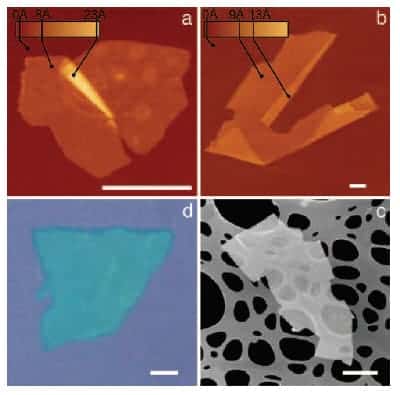
Definition of Graphite and Its Structural Characteristics Graphite is a unique allotrope of carbon distinguished by its ability to form planar, two-dimensional structures. Unlike the typical three-dimensional crystalline forms found in many materials, graphite’s architecture is fundamentally layered and flat. This distinctive structural trait has captivated scientists, as it reveals important aspects of molecular bonding, […]

Read More →

2D Atomic Crystals: Flatland Physics Comes Alive

Definition of Two-Dimensional Atomic Crystals Two-dimensional (2D) atomic crystals are materials consisting of a single or few layers of atoms arranged in a planar lattice. Unlike their three-dimensional (3D) counterparts, these crystals exhibit unique physical and chemical characteristics due to their reduced dimensionality. Prominent examples include graphene, molybdenum disulfide (MoS2), and hexagonal boron nitride (h-BN), […]

Read More →

Should I see The Martian in 3D or stick to 2D?

Understanding the Viewing Formats of “The Martian” When deciding how to watch “The Martian,” audiences often face a choice between the immersive 3D experience and the classic 2D presentation. This decision goes beyond mere preference, influencing how deeply viewers connect with the film’s intricate storyline and visual artistry. To provide clarity, this article explores the […]

Read More →

What is so great about spintronics?

Definition of Spintronics Spintronics, also known as spin electronics, is an emerging discipline in the field of electronics that exploits not only the electron’s electric charge but also its intrinsic angular momentum, called spin. This dual utilization aims to create advanced electronic devices that surpass the capabilities of traditional charge-based systems. By leveraging electron spin, […]

Read More →

What is more expensive

Definition of Expense Expense refers to the monetary cost associated with acquiring goods, services, or intangible assets. However, its meaning extends beyond simple financial outlay, encompassing various dimensions such as necessity, luxury, and subjective valuation. Understanding expense requires examining not only the price tag but also the broader context in which value is assigned. Monetary […]

Read More →

Is graphene a failed wonder material?

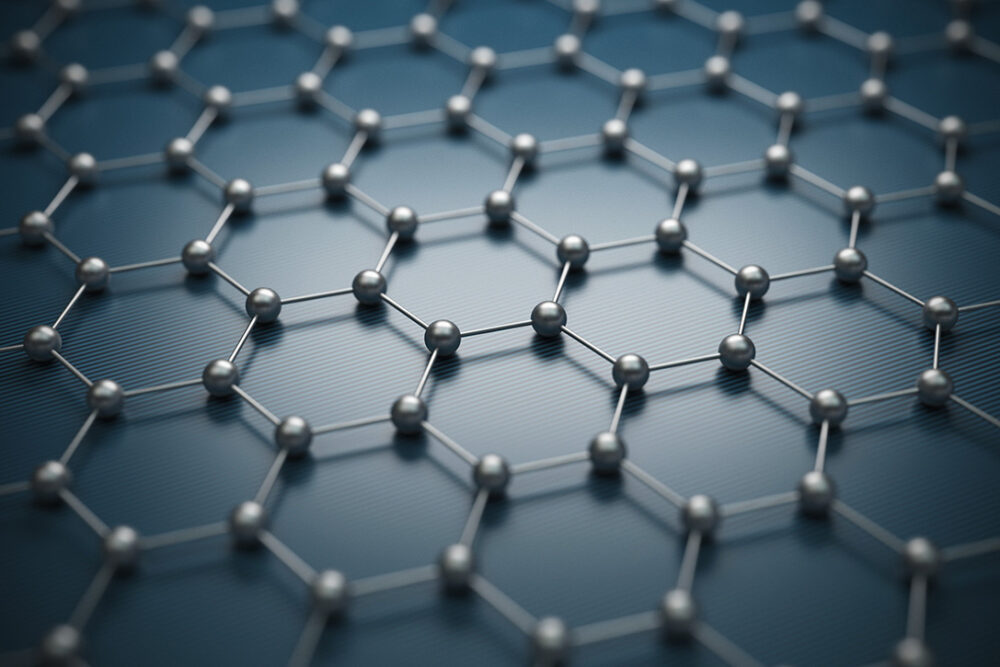
Understanding Graphene Graphene is a single layer of carbon atoms arranged in a two-dimensional hexagonal lattice, often celebrated as the “miracle material” of the modern era. Its extraordinary characteristics-such as unparalleled tensile strength, exceptional electrical conductivity, and superior thermal conductivity-have sparked intense scientific interest and innovation efforts worldwide. Despite these remarkable attributes, the material’s journey […]

Read More →

How long will it be before graphene is more widely used?

Definition of Graphene Graphene is a unique allotrope of carbon consisting of a single layer of atoms arranged in a two-dimensional honeycomb lattice. It is renowned for its extraordinary physical and chemical properties, which have attracted significant attention from researchers, technologists, and investors worldwide. Electrical Conductivity: Graphene exhibits exceptional ability to conduct electricity, surpassing many […]

Read More →

What’s the use of a silicon carbide?

Definition of Silicon Carbide Silicon carbide (SiC) is a compound semiconductor composed of silicon and carbon atoms arranged in a crystalline lattice. This unique structure imparts SiC with outstanding physical and electrical properties, making it a highly valuable material in advanced electronic applications. Notably, SiC exhibits excellent thermal conductivity and a wide bandgap, which distinguish […]

Read More →

Which is the toughest material discovered by mankind?

Definition of Toughness in Materials Science Toughness refers to a material’s capacity to absorb energy and undergo plastic deformation without fracturing. It is a critical mechanical property that determines how well a material can withstand impacts, stresses, and strains without breaking. This attribute is vital across numerous fields, including construction, aerospace, and manufacturing, where materials […]

Read More →

The Good And Bad Of 2D Materials – SemiTechnical?

Definition of Two-Dimensional Materials Two-dimensional (2D) materials are crystalline substances consisting of a single layer of atoms, exhibiting unique physical and chemical properties distinct from their bulk counterparts. Their atomic-scale thickness imparts exceptional characteristics that have attracted significant attention in scientific research and technological development. Atomic Thinness: 2D materials are composed of one or a […]

Read More →