What does Raziman T.V. think of Shri Shri Ravishankar?

The relationship between public figures and their ideologies often invites scrutiny and debate, particularly when contrasting perspectives emerge. One such intriguing dynamic presents itself in the opinions of Raziman T.V. regarding the spiritual teachings and practices of Shri Shri Ravishankar. This article seeks to unpack these views, drawing on the dualities and complexities that characterize […]

Read More →

Why is the melting point of boron higher than that of silicon?

The melting point of a material often serves as a litmus test for its thermal stability and structural integrity under elevated temperatures. Silicon, a quintessential semiconductor, boasts a melting point of approximately 1,410 °C. In stark contrast, boron, a metalloid with intriguing polytypic forms, exhibits a melting point surpassing 2,300 °C. This ocular disparity not […]

Read More →

What are Inna Vishik’s thoughts on graphene?

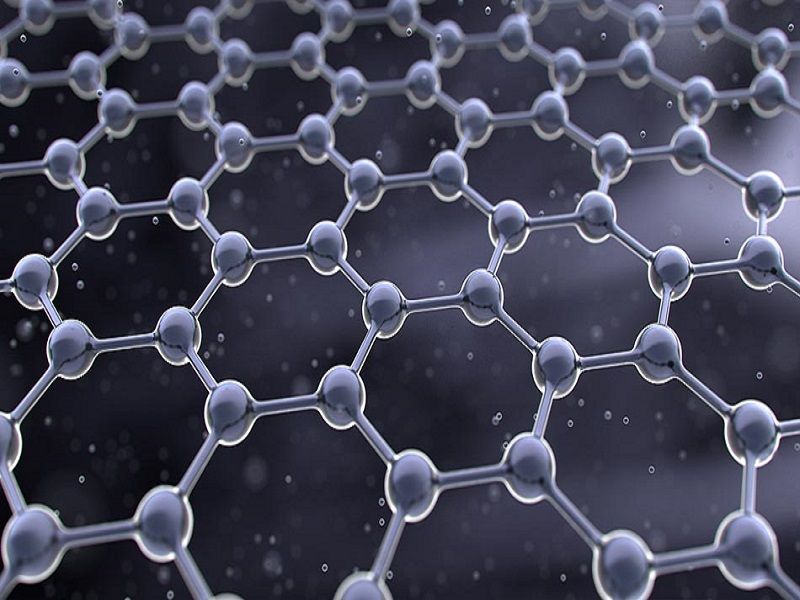
Graphene, a single layer of carbon atoms arranged in a two-dimensional honeycomb lattice, has captivated the scientific community since its isolation in 2004. It possesses remarkable properties such as exceptional electrical conductivity, mechanical strength, and thermal stability. The phenomenon of graphene ignites profound intrigue among physicists, and Inna Vishik’s inquiries and thoughts surrounding this wonder […]

Read More →

How does graphene work in clothing?

Graphene has emerged as a revolutionary material in numerous fields, not least in the realm of clothing and textiles. Its unique properties have captured the attention of scientists, technologists, and fashion designers alike. The fascination with graphene largely stems from its remarkable characteristics: it is highly conductive, extremely lightweight, and boasts impressive mechanical strength. This […]

Read More →

What is your review of Star Wars: Episode IX?

Star Wars: Episode IX, subtitled “The Rise of Skywalker,” emerges as the culmination of an elaborate narrative tapestry spun over four decades. In exploring the strengths and weaknesses of this cinematic offering, one might liken it to a finely crafted puzzle, wherein some pieces fit seamlessly while others feel conspicuously dissonant. The film’s ambitious scope […]

Read More →

What Is a Van der Waals Semiconductor? Peeling Back the Atomic Layers

Van der Waals semiconductors represent a fascinating frontier in the realm of condensed matter physics and materials science. Their unique properties arise from the inherent characteristics of their atomic layers, prompting a reevaluation of existing theories regarding semiconductor functionality and performance. This exploration into van der Waals materials is particularly pertinent as the quest for […]

Read More →

Can you touch a 2D object?

In the realm of physics and mathematics, the concept of dimensions is foundational to our understanding of the universe. The everyday experience of three-dimensional (3D) objects often overshadows the intriguing realities of two-dimensional (2D) entities. The inquiry into whether one can ”touch” a 2D object invites multiple approaches, spanning from philosophical considerations to practical implications […]

Read More →

Can you make graphene from carbon atoms?

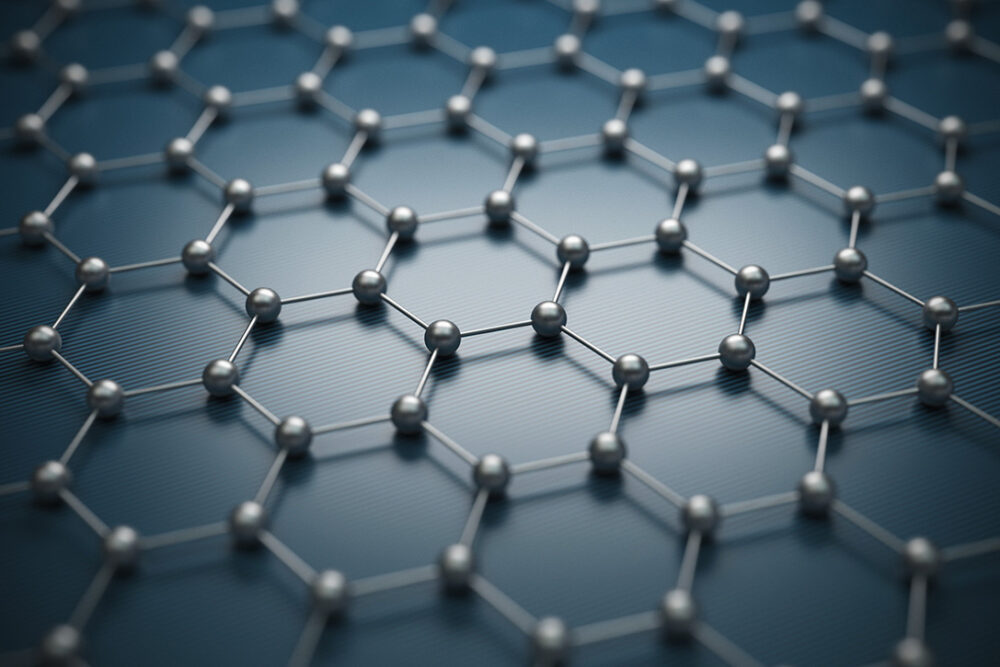
Graphene, a remarkable material composed of a single layer of carbon atoms arranged in a two-dimensional honeycomb lattice, has captivated the attention of scientists, engineers, and manufacturers alike since its isolation in 2004. Born from the elemental simplicity of carbon, the substance is imbued with extraordinary properties, leading to widespread inquiries regarding its synthesis and […]

Read More →

Why is inorganic graphite hard

Graphite, a crystalline form of carbon, has fascinated chemists and materials scientists for centuries. Most often recognized for its remarkable electrical conductivity and lubricating capabilities, it possesses an intriguing property: hardness. This quality may seem paradoxical, particularly when juxtaposed with its allotrope, diamond, which is far harder. To delve into why inorganic graphite is hard, […]

Read More →

Why do we reduce Graphene oxide?

Graphene oxide (GO) has emerged as a tantalizing subject in materials science due to its unique properties and potential applications across various fields. However, the reduction of graphene oxide is a nuanced process that raises a pivotal question: why do we reduce graphene oxide in the first place? This inquiry not only leads us to […]

Read More →