Chris Shuck: Engineering the Future One Layer at a Time

Definition of Structural Engineering Innovation Structural engineering is a branch of civil engineering focused on designing and constructing frameworks that support or resist loads. Traditionally, it emphasizes durability, stability, and functionality. However, modern approaches are evolving to incorporate sustainability, adaptability, and aesthetic considerations, reflecting a broader vision of how built environments interact with society and […]

Read More →

Is graphene a room temperature super conductor?

Understanding Graphene and Its Unique Properties Graphene is a remarkable material composed of a single atomic layer of carbon atoms arranged in a two-dimensional honeycomb lattice. This structure endows graphene with exceptional electrical conductivity, mechanical strength, and thermal properties, making it a focal point in modern material science. Its ultra-high electron mobility and lightweight nature […]

Read More →

¿Para qué se utilizan matrices en Química?

Definition and Overview of Matrices in Chemistry Matrices, traditionally known as rectangular arrays of numbers, have evolved into fundamental tools within the field of chemistry. Much like the complex sequences found in DNA, matrices provide a structured framework to organize, manipulate, and interpret multifaceted chemical data. Their applications extend beyond simple numerical representation, serving as […]

Read More →

Ipshita Datta: Mapping Material Science in Atomic Detail

Understanding Atomic Structures in Material Science Material science delves into the fundamental components that constitute matter, focusing on the atomic and molecular arrangements that define the properties of materials. Ipshita Datta stands out as a leading figure in this domain, advocating for a deeper comprehension of how atomic configurations influence the larger-scale behaviors and characteristics […]

Read More →

How can graphene be utilized in electronics?

Definition of Graphene in Electronics Graphene is a single layer of carbon atoms arranged in a two-dimensional honeycomb lattice, recognized as a groundbreaking material in the field of electronics. Its exceptional electrical conductivity, thermal stability, and mechanical strength distinguish it from traditional materials like silicon. These unique characteristics enable graphene to facilitate faster electron transport, […]

Read More →

What are the characteristics of 2-dimensional art?

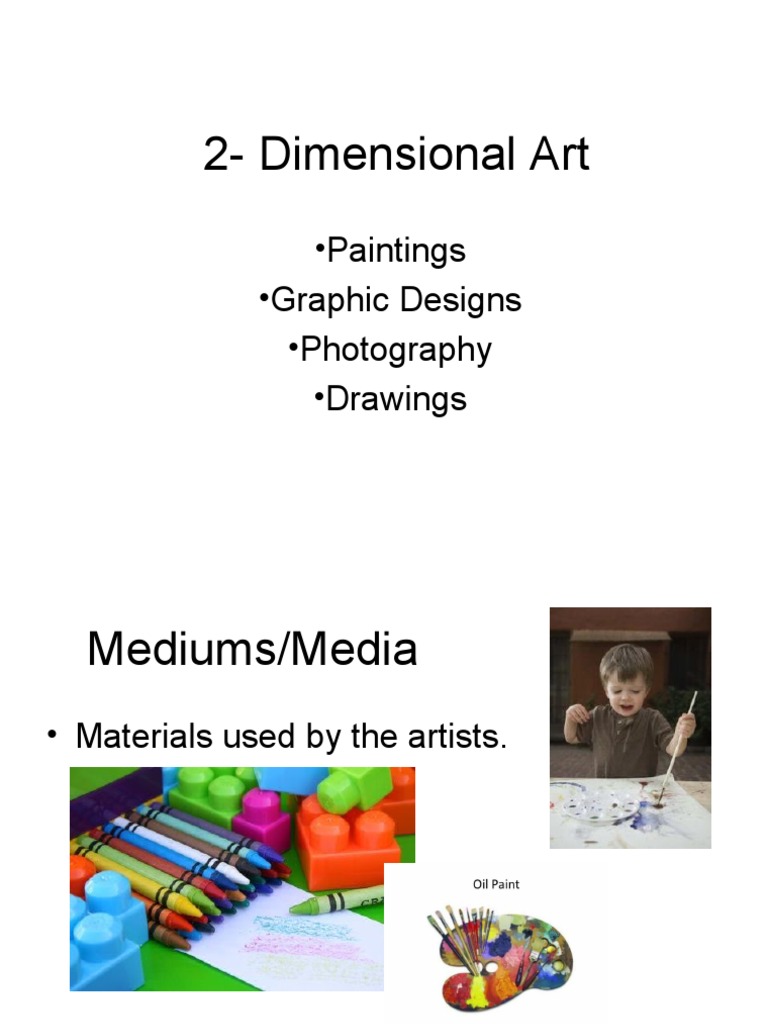
Definition of Two-Dimensional Art Two-dimensional (2D) art refers to visual artworks that are created on flat surfaces, characterized by the presence of only height and width, without any physical depth. This art form encompasses a wide range of mediums including drawing, painting, printmaking, and digital imagery. Despite its inherent flatness, 2D art offers a vast […]

Read More →

What are topological semimetals?

Definition of Topological Semimetals Topological semimetals are an intriguing class of materials situated at the intersection of condensed matter physics, quantum mechanics, and materials science. Unlike conventional semiconductors, these materials exhibit partially filled conduction and valence bands, allowing electrons to move between them with minimal energy input. The incorporation of topological principles reveals that certain […]

Read More →

Is Blender good for 2D animation?

Definition of Blender in Animation Blender is a multifaceted digital software primarily known for its 3D modeling and animation capabilities. Over time, it has evolved to incorporate tools that support 2D animation, making it a versatile platform for artists. This software is open-source, allowing free access and continuous development by a global community of users […]

Read More →

How Strong Is Borophene? Breaking Records at Atomic Scale

Definition of Borophene Borophene is a novel two-dimensional material consisting of a single atomic layer of boron atoms arranged in a distinctive lattice structure. This ultrathin sheet exhibits extraordinary mechanical, electrical, and thermal properties that surpass many traditional materials, positioning it as a groundbreaking advancement in the field of advanced materials science. Atomic Composition: Comprised […]

Read More →

What is so special about carbon nanotubes?

Definition and Overview of Carbon Nanotubes Carbon nanotubes (CNTs) represent a remarkable form of carbon, showcasing the element’s extraordinary adaptability. These nanoscale cylindrical structures resemble intricately woven fibers, combining exceptional strength with innovative potential in fields such as nanotechnology and materials science. Understanding their significance requires an exploration of their unique architecture, intrinsic properties, synthesis […]

Read More →