What are the characteristics of 2-dimensional art?

2-dimensional art possesses an intrinsic allure that piques the curiosity of enthusiasts and scholars alike. What defines this art form? How is it distinguished from its three-dimensional counterparts? By delving deeper into the characteristics of 2D art, one might unearth a myriad of intricate features that not only define its allure but challenge the boundaries […]

Read More →

Is it possible to work in 2D using Plaxis 3D?

In the realm of geotechnical engineering, the application of finite element analysis (FEA) software like PLAXIS has revolutionized the way professionals approach complex ground and foundation engineering problems. One topic that frequently arises is the feasibility of employing a two-dimensional (2D) analytical framework while utilizing a three-dimensional (3D) modeling environment, specifically within the context of […]

Read More →

What are topological semimetals?

Topological semimetals represent a fascinating frontier in condensed matter physics, blending elements of topology, materials science, and quantum mechanics. These materials have piqued the interests of researchers due to their unique electronic properties and potential applications in next-generation electronic devices and quantum computing. This exploration serves to unravel the essence of topological semimetals, their classifications, […]

Read More →

Is Blender good for 2D animation?

In the realm of digital art, the integration of technology has engendered a myriad of innovative tools that fuel creativity and enable artists to push boundaries. Among these tools, Blender has garnered attention as a versatile and powerful application primarily recognized for its capabilities in 3D animation. However, a question persistently arises within artistic communities: […]

Read More →

How Strong Is Borophene? Breaking Records at Atomic Scale

In the realm of advanced materials, borophene emerges as a remarkable contender that transcends previous benchmarks in both strength and flexibility, akin to a phoenix rising from the ashes of traditional two-dimensional materials such as graphene. This cutting-edge monolayer of boron, characterized by its intricate atomic lattice, garners significant attention due to its exceptional mechanical […]

Read More →

What is so special about carbon nanotubes?

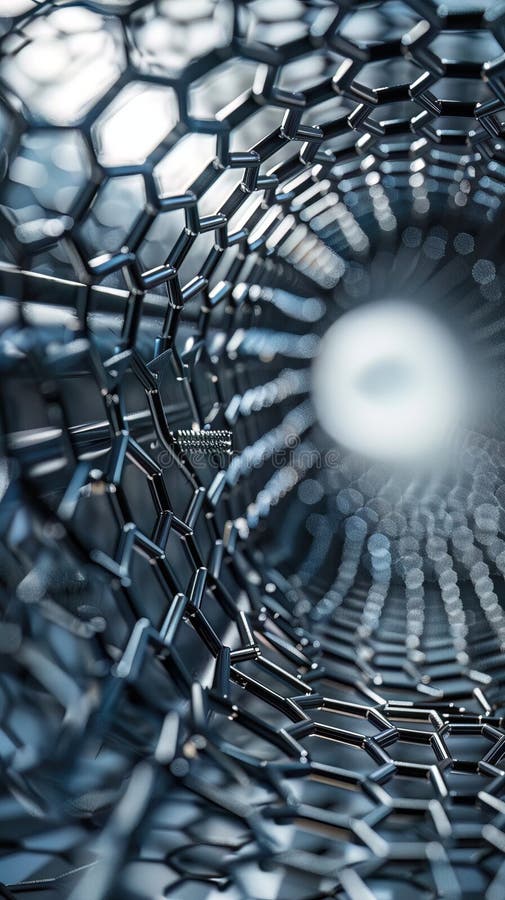
Carbon nanotubes (CNTs), an extraordinary manifestation of carbon’s versatility, have garnered significant attention in both scientific research and technological innovation. They can be likened to intricate woven ropes, offering not just structural integrity but also innovative possibilities in nanotechnology and material science. To fully appreciate their unique appeal, we must delve into the complexities of […]

Read More →

Is Graphene the future?

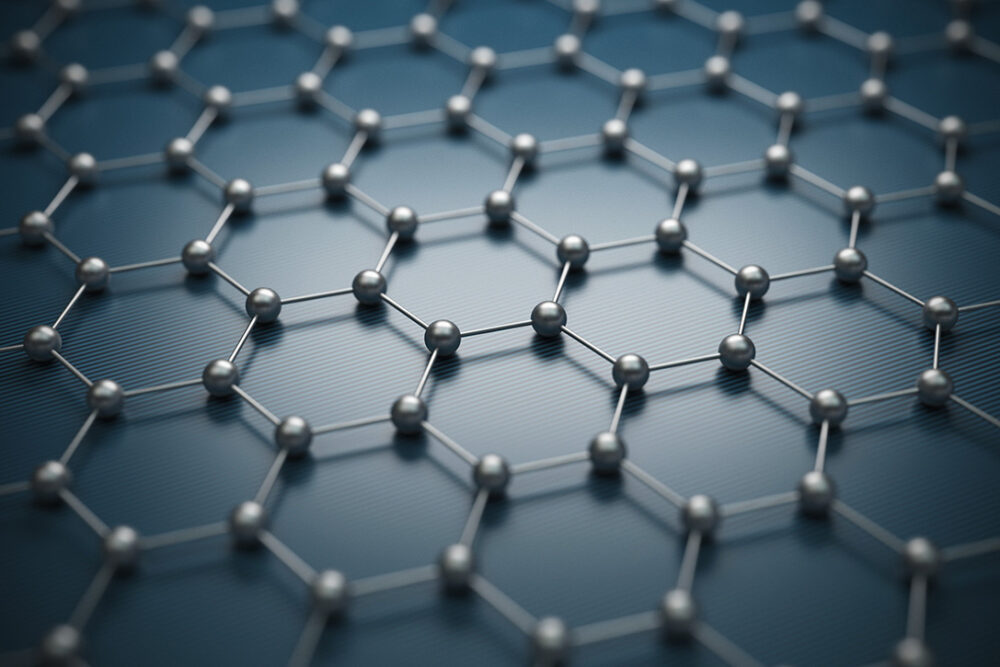
Graphene, an allotrope of carbon consisting of a single layer of atoms arranged in a two-dimensional honeycomb lattice, has garnered considerable attention since its isolation in 2004. Dubbed the “wonder material,” graphene possesses extraordinary properties that could revolutionize various industries. Its exceptional strength, electrical conductivity, thermal conductivity, and flexibility spark intrigue regarding whether this remarkable […]

Read More →

What Is MXene? The Shiny Future of Energy Storage in 2D

MXenes represent a burgeoning class of two-dimensional (2D) materials that have garnered significant attention in the realm of energy storage and conversion technologies. Originally discovered in 2011, this family of materials, characterized by their unique layered structure and superior physical properties, has opened up a plethora of possibilities for advancements in capacitive energy storage systems, […]

Read More →

How are the concepts of ‘topology’ and ‘distance’ related?

Topology and distance are two fundamental concepts that pervade numerous areas of mathematics, physics, and beyond. While distance is often associated with the geometric or quantitative assessment of space, topology introduces a more abstract framework focusing on qualitative properties. To comprehend the intricate relationship between these concepts, one must embark on a journey that traverses […]

Read More →

How to make graphene?

Graphene, a monolayer of carbon atoms arranged in a two-dimensional lattice, has garnered considerable attention due to its extraordinary properties. This material exhibits exceptional mechanical strength, electrical conductivity, and thermal conductivity, leading to its potential applications across various fields, including materials science, electronics, and biotechnology. The pursuit of synthesizing graphene has resulted in several methodologies, […]

Read More →