Where and when do cosmic rays hit the Earth?

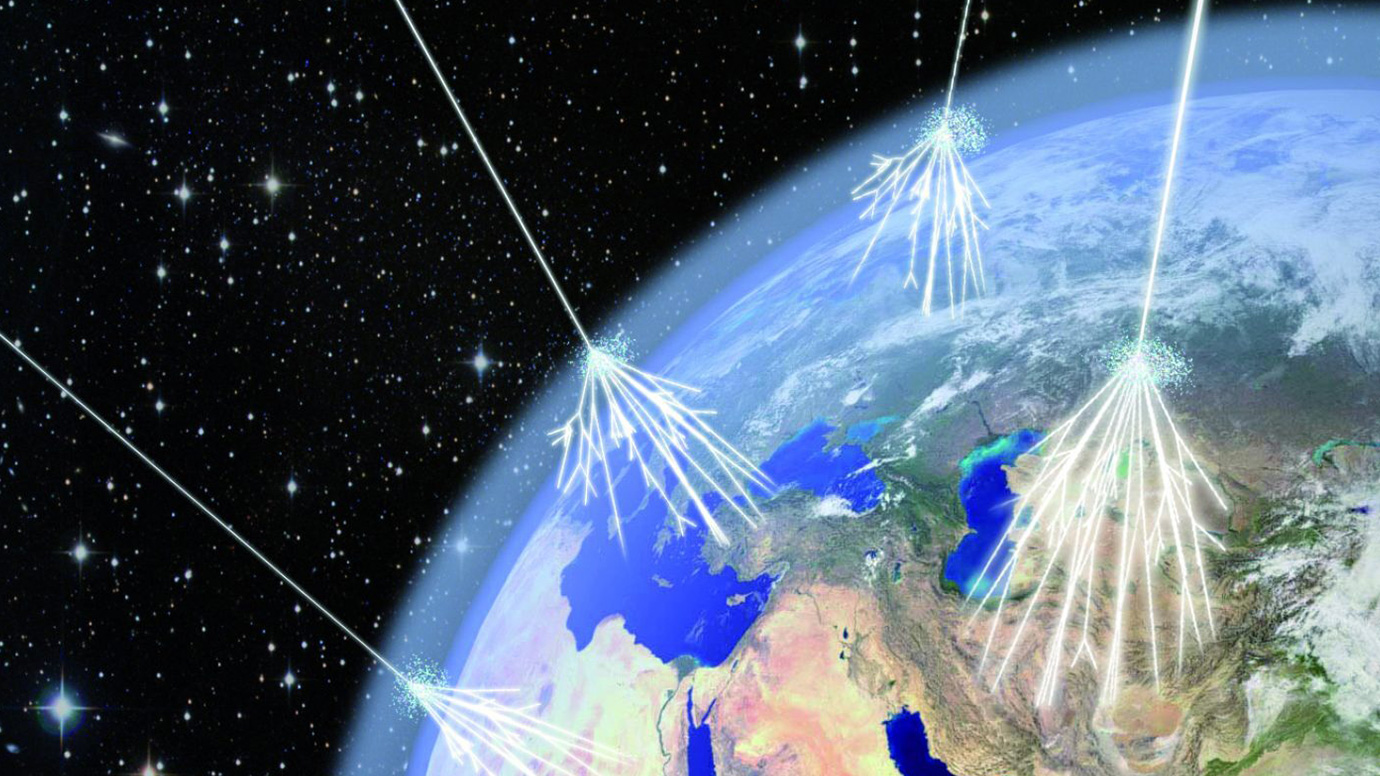
Definition of Cosmic Rays Cosmic rays are energetic particles that originate from outer space and continuously bombard the Earth’s atmosphere. These particles, which include protons, atomic nuclei, and electrons, travel vast distances across the universe before reaching our planet. Studying cosmic rays provides valuable insights into astrophysical phenomena and their effects on Earth’s environment and […]

Read More →

Which instrument is used to measure astronomical distance?

Understanding Astronomical Distance Measurement Determining the vast distances between celestial objects is a complex and fascinating challenge within astrophysics. The immense scale of the universe raises profound questions about how observers on Earth can accurately gauge the spatial separations of stars, galaxies, and other cosmic entities. To address this, scientists have developed a variety of […]

Read More →

Why are Pulsar clocks not as accurate as atomic clocks?

Understanding Pulsar and Atomic Clocks Timekeeping has evolved through various innovative methods, with pulsar clocks and atomic clocks standing out as two prominent approaches. Both aim to achieve exceptional precision, yet they operate on fundamentally different principles and exhibit distinct levels of accuracy. This article explores the nature of these clocks, their mechanisms, and the […]

Read More →

How to detect cosmic rays reaching the earth?

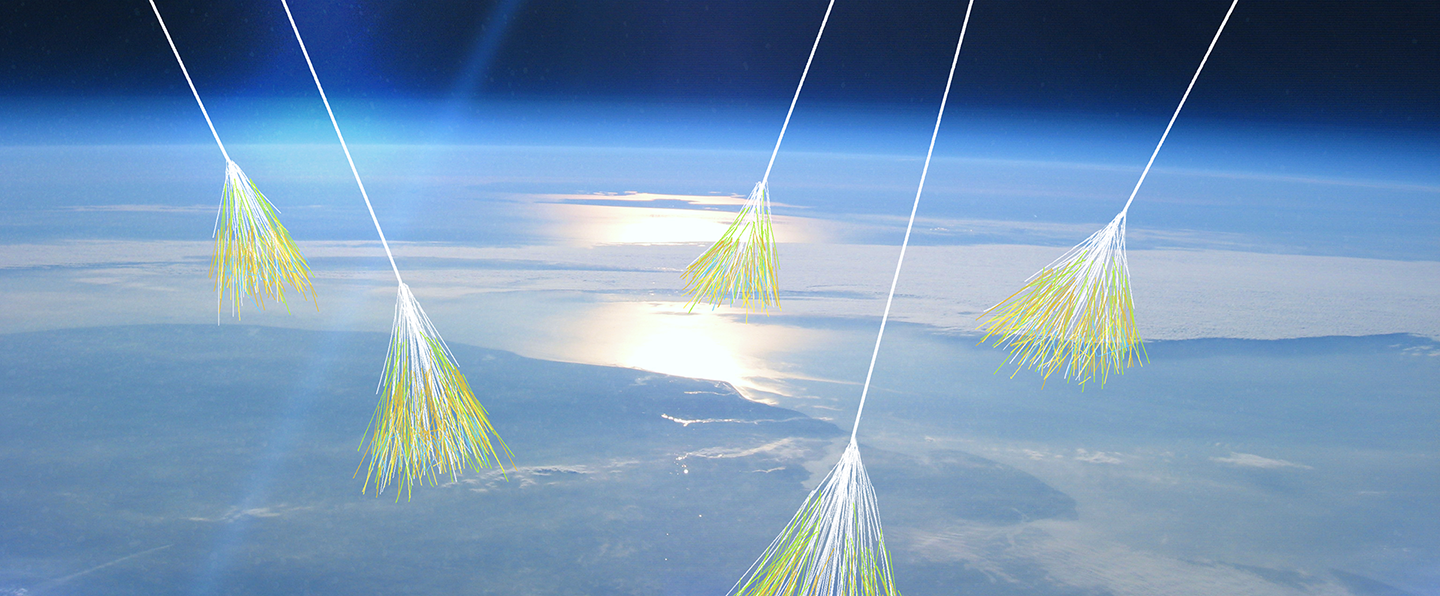
Definition of Cosmic Rays Cosmic rays are highly energetic particles that originate from outer space and continuously strike the Earth. These particles, primarily protons and atomic nuclei, travel at nearly the speed of light and carry valuable information about astrophysical phenomena occurring far beyond our planet. Their study offers profound insights into the fundamental processes […]

Read More →

Observatories Without Borders: The Rise of Virtual Telescopes

Definition of Virtual Telescopes Virtual telescopes represent a groundbreaking innovation in astronomy, enabling the observation of celestial bodies through digital platforms that integrate data from multiple physical telescopes worldwide. Unlike traditional observatories fixed at specific locations, virtual telescopes operate as interconnected networks, allowing users to remotely access and analyze astronomical data without geographical constraints. Virtual […]

Read More →

Cluster Formation Caught in Action: Cosmic Architecture Emerges

Definition of Cosmic Architecture and Galaxy Clusters Cosmic architecture refers to the grand-scale structural organization of the universe, showcasing the intricate patterns and order emerging from the vast cosmic expanse. Central to this architecture are galaxy clusters-massive assemblies of galaxies bound together by gravity. These clusters can contain hundreds to thousands of galaxies and act […]

Read More →

Black Hole Winds Stronger Than Expected: Blowing Away Galactic Gas

Understanding Black Holes Black holes are among the most intriguing objects in the cosmos, characterized by gravitational fields so intense that nothing, not even light, can escape their grasp. These enigmatic entities have fascinated scientists for decades, prompting extensive research into their nature and influence on the universe. Black holes are primarily classified based on […]

Read More →

Hubble Gets an Upgrade: Astronauts Ready for a Space Makeover

Overview of the Hubble Space Telescope The Hubble Space Telescope stands as a monumental achievement in astronomical research, captivating both scientists and the public with its groundbreaking observations. Since its launch in 1990, Hubble has transformed our comprehension of the universe by operating beyond Earth’s atmospheric distortions, providing crystal-clear images and invaluable data that terrestrial […]

Read More →

Could cosmic rays be used for spacecraft propulsion?

Definition of Cosmic Rays and Their Role in Space Propulsion Cosmic rays are highly energetic particles that originate from various astrophysical sources, including the sun, supernovae, and active galactic nuclei. These particles primarily consist of protons but also include heavier atomic nuclei and electrons traveling at velocities close to the speed of light. Their energies […]

Read More →