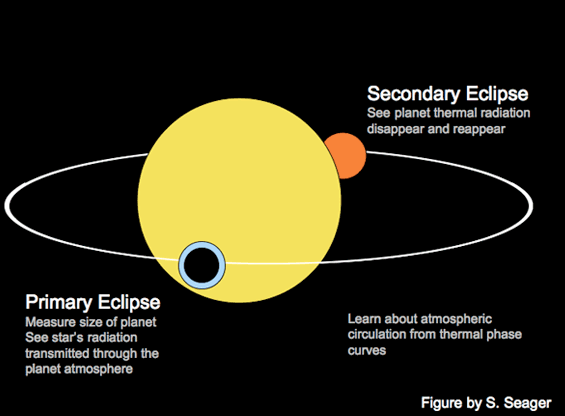
First Light from an Exoplanet: The Direct Detection of Visible Light

Definition of Exoplanetary Visible Light Detection Exoplanetary visible light detection refers to the direct observation and analysis of light emitted or reflected by planets orbiting stars beyond our solar system. This breakthrough enables scientists to study the atmospheric properties and surface conditions of these distant worlds by capturing their visible light spectra, providing critical insights […]
Read More →

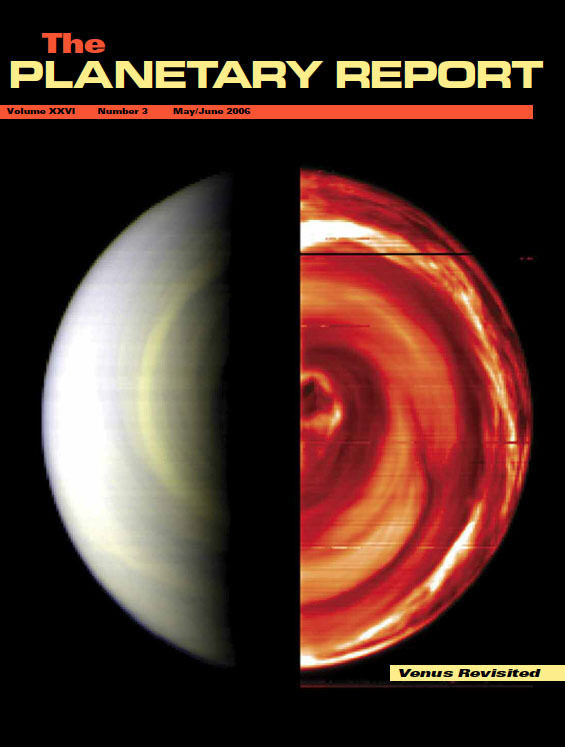
Doctoring the Spin on Venus: A Planetary Mystery Revisited

Definition and Overview of Venus Venus, frequently referred to as Earth’s “sister planet,” captivates scientists due to its close resemblance and proximity to our home planet. This terrestrial planet offers a unique opportunity to deepen our understanding of planetary formation, atmospheric behavior, and geological evolution. The phrase “doctoring the spin” metaphorically captures the evolving scientific […]

Read More →

Dark Energy: A 9-Billion-Year-Old Mystery Unveiled

Definition of Dark Energy Dark energy is a fundamental yet enigmatic component of the universe, playing a crucial role in modern cosmology. It is an invisible form of energy that permeates all of space and is responsible for the accelerated expansion of the cosmos. Despite its pervasive presence, dark energy remains largely mysterious, influencing the […]

Read More →

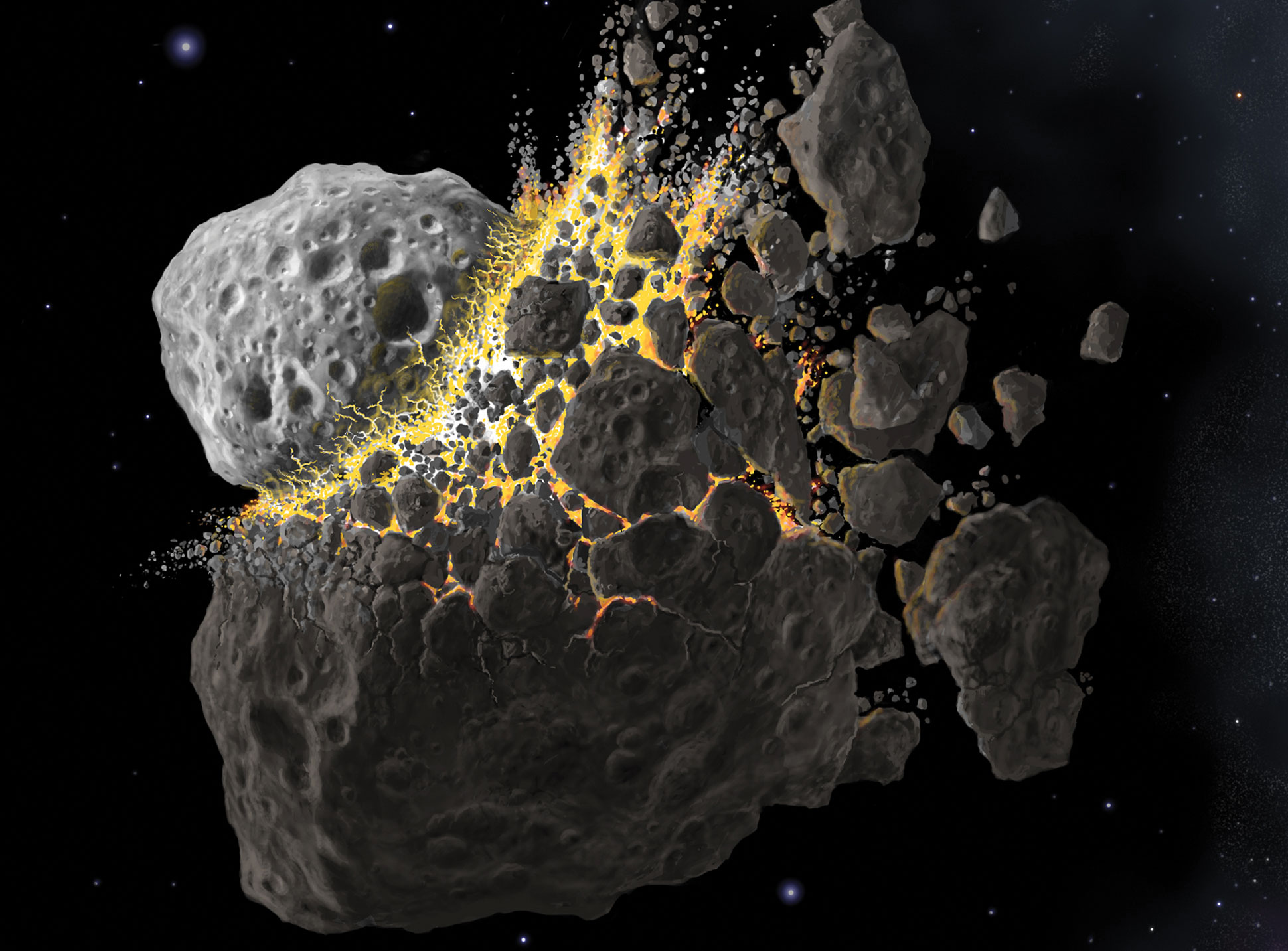
Meteorites and Molecules: Did Space Rocks Seed Earth’s Life?

Definition The concept that meteorites contributed to the origin of life on Earth is a compelling hypothesis within astrobiology, bridging planetary science and biology. It suggests that organic molecules carried by meteorites played a crucial role in initiating life by acting as catalysts in the complex chemical environment of early Earth. This idea proposes that […]

Read More →

Life on a Distant World? Think Again…

Understanding Extraterrestrial Life The concept of life beyond Earth has long fascinated humanity, prompting profound questions about the nature and distribution of living organisms in the universe. Central to this exploration is the challenge of defining life itself, which traditionally encompasses characteristics such as growth, reproduction, responsiveness to stimuli, and adaptability. While these criteria effectively […]

Read More →

How a Gas Cloud Measures Cosmic Distance

Understanding Cosmic Gas Clouds The universe, vast and enigmatic, can be likened to an endless ocean where each star, galaxy, and interstellar gas cloud represents a droplet contributing to a dynamic and ever-changing cosmic mosaic. Among these celestial components, gas clouds hold a pivotal role in the measurement of astronomical distances, acting as both signposts […]

Read More →

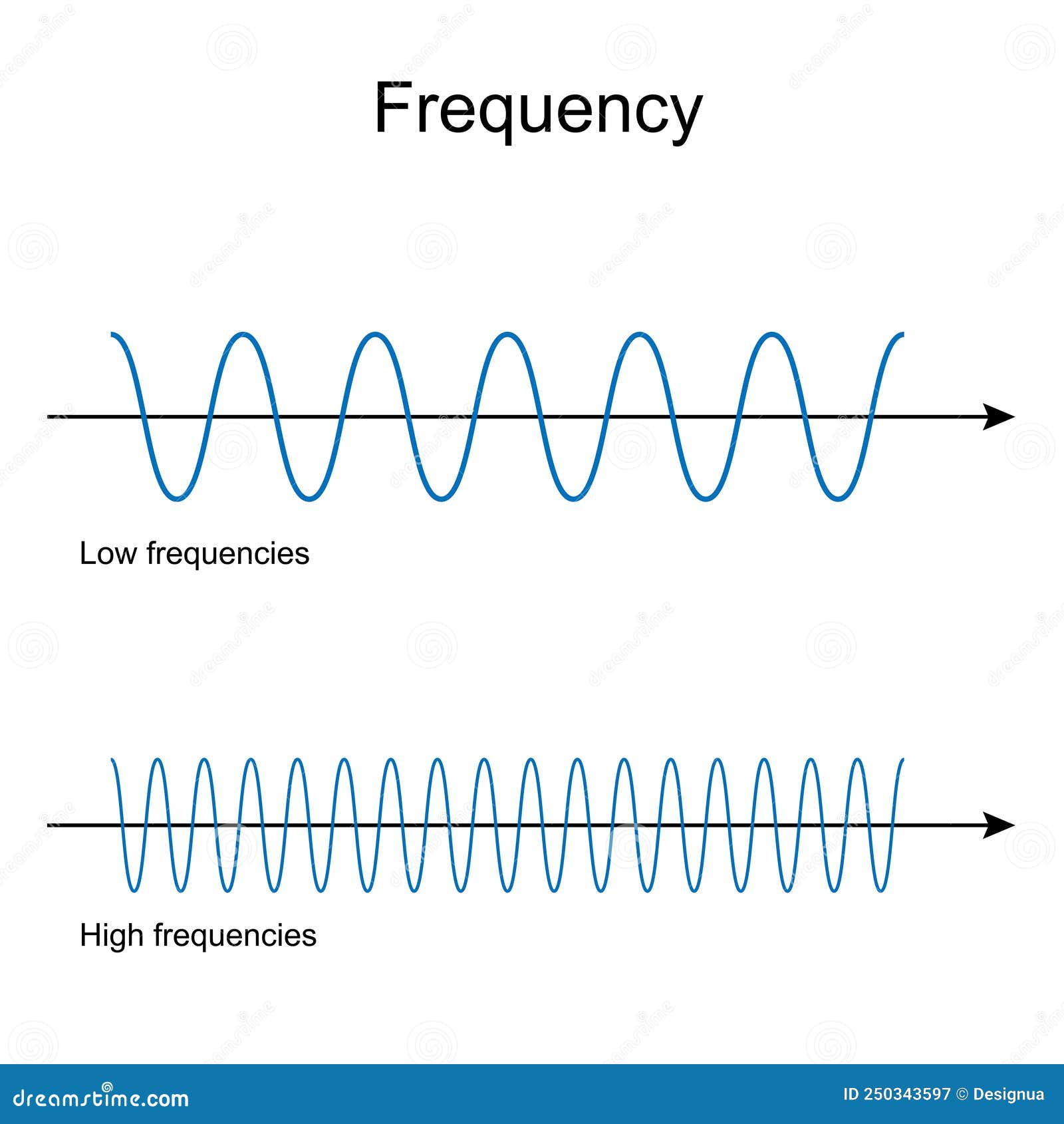
Frequency Combs Join the Hunt for Exoplanets

Understanding Exoplanets and Their Significance Exoplanets are planets that orbit stars outside our solar system, sparking immense interest among astronomers for decades. The fascination arises not only from the possibility of discovering extraterrestrial life but also from the valuable insights these distant worlds provide about the formation and evolution of planetary systems. Studying exoplanets helps […]

Read More →

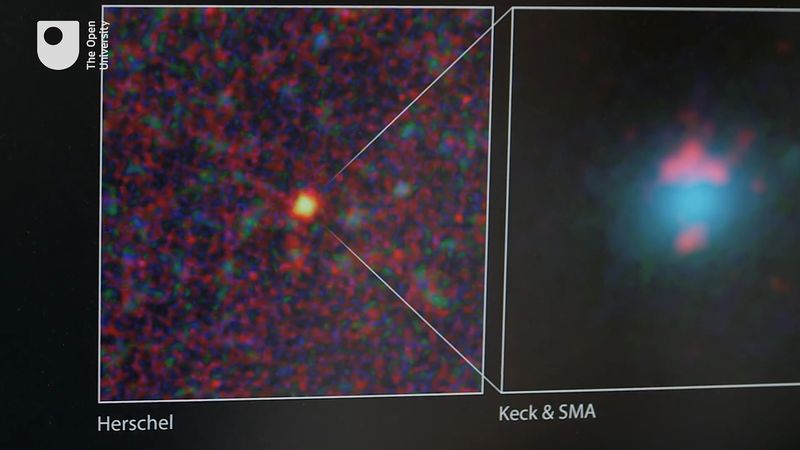
The First Sighting of Dark Matter

Definition of Dark Matter Dark matter refers to a form of matter that does not emit, absorb, or reflect light, making it invisible to current electromagnetic observational methods. Despite its invisibility, it exerts a significant gravitational influence on visible matter, radiation, and the large-scale structure of the universe. Invisible Mass: Dark matter cannot be detected […]

Read More →

Mapping the Unseen: How Dark Matter Shapes Galaxies

Definition of Dark Matter Dark matter is a mysterious and invisible form of matter that constitutes about 27% of the total mass-energy content of the universe. Unlike ordinary matter, it neither emits nor absorbs electromagnetic radiation, rendering it undetectable by conventional telescopes. Its presence is inferred primarily through its gravitational effects on visible celestial objects […]

Read More →