
Short Answer
Definition of Cosmic Impacts on Earth
Cosmic impacts refer to collisions between Earth and extraterrestrial objects such as meteoroids, asteroids, and comets. These high-energy events leave distinct marks on the planet’s surface, known as impact craters, which serve as geological records of Earth’s interactions with the wider cosmos. These craters are not only physical imprints but also gateways to understanding Earth’s geological evolution and the biological consequences of such encounters.
Historical Significance of Impact Events
Throughout Earth’s extensive history, it has been struck repeatedly by celestial bodies of varying sizes. These impacts have played pivotal roles in shaping the planet’s surface and influencing the trajectory of life. One of the most notable events is the Cretaceous-Paleogene (K-Pg) impact approximately 66 million years ago, which is linked to the mass extinction that eradicated about 75% of species, including the non-avian dinosaurs. The Chicxulub crater in Mexico’s Yucatán Peninsula stands as a prime example of the catastrophic effects such impacts can have on global ecosystems.
Geological and Ecological Consequences
Impact events extend their influence far beyond immediate destruction. They can trigger significant ecological upheavals, often leading to the extinction of dominant species and paving the way for new life forms to emerge. This cyclical pattern of extinction and evolution suggests a dynamic relationship between life on Earth and random cosmic events. The widespread distribution of craters, from Earth to the Moon, reflects the ongoing evolutionary pressures exerted by these extraterrestrial collisions.
Characteristics and Preservation of Impact Craters
Earth’s geological activity continuously modifies its surface, which means many impact craters are eroded or obscured over time. However, some craters remain remarkably well-preserved, offering valuable insights into impact processes. For instance, the Barringer Meteor Crater in Arizona, formed around 50,000 years ago, is one of the best-preserved terrestrial impact sites. It illustrates the rapid geological transformations caused by impacts, including shockwave propagation and airblast effects that reshape local landscapes.
Comparative Analysis: Earth and the Moon
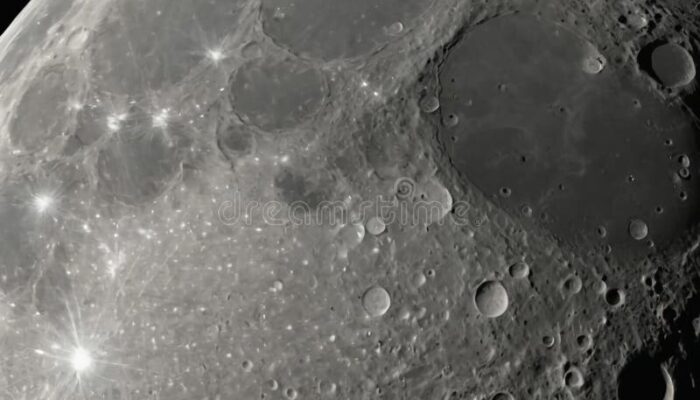
The Moon’s surface, heavily cratered and geologically inactive, provides a stark contrast to Earth’s dynamic crust. The absence of atmosphere and tectonic activity on the Moon means its craters remain largely unchanged, offering a clearer record of impact history across the solar system. This comparison highlights how Earth’s active geological processes, such as erosion and plate tectonics, continually alter and sometimes erase the evidence of past impacts.
Monitoring and Mitigating Future Impact Threats
Given the potentially devastating consequences of cosmic impacts, modern science places great emphasis on tracking near-Earth objects (NEOs). Various space agencies operate programs to identify and monitor asteroids and comets that could pose a threat to our planet. These efforts are crucial for developing planetary defense strategies aimed at preventing or mitigating future collisions, underscoring the importance of preparedness in safeguarding Earth’s biosphere.
Philosophical Reflections on Cosmic Impacts
The study of impact craters also invites deeper contemplation about humanity’s place in the universe. These events underscore the role of chance in shaping life and geological history, prompting questions about determinism and cosmic interconnectedness. Are these impacts mere random occurrences, or do they reveal a profound relationship between life on Earth and the broader cosmic environment? Such inquiries bridge scientific understanding with existential exploration.
Symbolism and Broader Implications
Impact craters symbolize the inevitability of change and the fragile nature of life amid the vastness of space. They remind us of the delicate balance between survival and destruction that defines our planet’s history. Studying these craters not only enriches our knowledge of Earth’s geological past but also illuminates the complex interactions within our solar system that continue to influence our world.
Summary and Future Perspectives
The investigation of multiple cosmic impacts reveals a complex narrative of destruction, adaptation, and transformation woven through Earth’s history. Each crater represents a chapter in this ongoing story, linking geological science with humanity’s quest to understand its cosmic origins. As research advances and technology improves, our comprehension of these profound events deepens, challenging us to reflect on our connection to the universe and the future of our planetary home.
FAQ
What are cosmic impacts?
Cosmic impacts are collisions between Earth and extraterrestrial objects, such as asteroids and comets, that create impact craters.
Why are impact craters important?
Impact craters serve as geological records of Earth's history and help scientists understand the effects of cosmic events on the planet.




Leave a Reply