
Short Answer
Understanding Exoplanets and Their Significance
Exoplanets are planets that orbit stars outside our solar system, sparking immense interest among astronomers for decades. The fascination arises not only from the possibility of discovering extraterrestrial life but also from the valuable insights these distant worlds provide about the formation and evolution of planetary systems. Studying exoplanets helps scientists comprehend the diversity of planetary environments and the processes shaping them across the galaxy.
Introduction to Frequency Combs in Astronomy
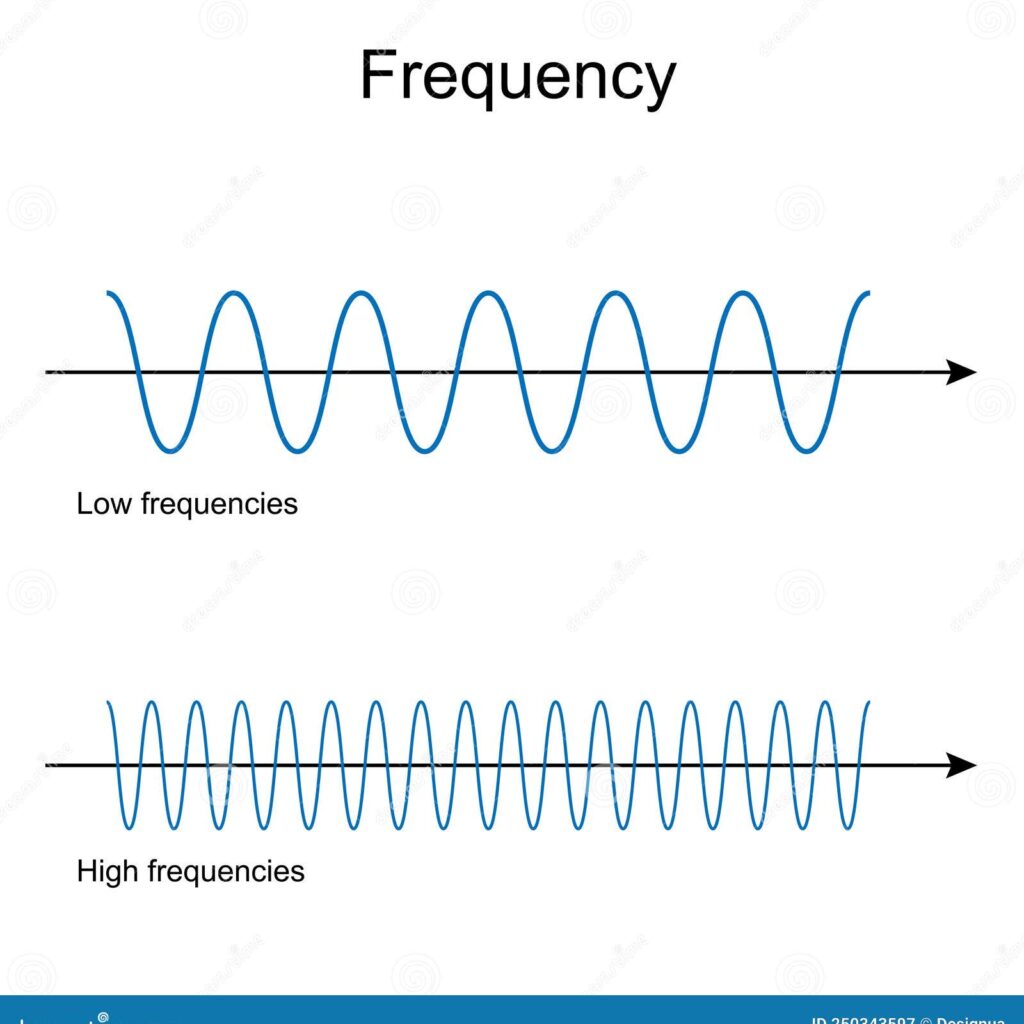
Recently, frequency comb technology has emerged as a groundbreaking tool in the field of exoplanet detection. This advanced method offers astronomers a new level of precision in measuring stellar light, enabling the detection and characterization of planets orbiting distant stars with unprecedented accuracy. Frequency combs function by emitting light at a series of equally spaced frequencies, resembling the teeth of a comb, which serve as a highly stable and precise spectral reference.
Principles Behind Frequency Combs
At the heart of frequency comb technology is a laser source that generates a broad spectrum of stable, evenly spaced frequencies. These spectral lines act as a precise ruler for measuring light, allowing astronomers to detect extremely subtle changes in the light emitted by stars. This capability is particularly useful in identifying the tiny shifts in stellar spectra caused by orbiting planets.
The Radial Velocity Method Explained
The radial velocity technique is a primary method for discovering exoplanets and relies on the Doppler effect. As a planet orbits its star, the gravitational pull causes the star to wobble slightly, moving alternately toward and away from Earth. This motion induces shifts in the star’s spectral lines, which can be observed as changes in the frequency of the light. Detecting these minute shifts reveals the presence of an exoplanet.
- Doppler Effect:
The change in frequency or wavelength of light due to the relative motion of the source and observer. - Stellar Wobble:
The small movement of a star caused by the gravitational influence of an orbiting planet.
Enhancing Detection with Frequency Combs
Traditional instruments have struggled to detect the tiny spectral shifts caused by smaller or more distant exoplanets due to limitations in precision and noise interference. Frequency combs address these challenges by providing an extremely accurate frequency scale, improving the ability to discern even the faintest Doppler shifts. This enhancement increases the signal-to-noise ratio in measurements, enabling the discovery of less massive planets, including those located within habitable zones where life-supporting conditions might exist.
Transmission Spectroscopy and Atmospheric Analysis
Frequency combs also play a crucial role in studying exoplanet atmospheres through transmission spectroscopy. When a planet passes in front of its star, some starlight filters through the planet’s atmosphere, where specific wavelengths are absorbed by atmospheric molecules. By analyzing these absorption patterns with the precision of frequency combs, astronomers can identify the chemical composition of exoplanet atmospheres, including potential biomarkers such as oxygen or methane that may indicate biological activity.
Astrobiology and the Search for Life
The application of frequency combs extends into astrobiology, the study of life’s potential in the universe. High-resolution spectral data obtained through this technology allows researchers to better understand the environmental conditions on exoplanets, assessing their habitability. This comprehensive approach moves beyond mere detection, focusing on the possibility of life-supporting environments and the chemical signatures that might reveal biological processes.
Technological Synergies: Signal Processing and Machine Learning
The integration of frequency combs with advanced signal processing and machine learning techniques marks a new era in astrophysical research. Enhanced data acquisition combined with sophisticated algorithms enables astronomers to filter out noise more effectively and isolate exoplanet signals with greater confidence. This synergy accelerates the pace of discovery and refines the analysis of observational data, pushing the boundaries of what can be detected and understood.
Broader Impact on Scientific Exploration
The adoption of frequency comb technology symbolizes the ongoing evolution of scientific tools and methodologies. Much like how high-resolution imaging transformed astronomy, frequency combs represent a significant leap forward in addressing the complexities of exoplanet research. This advancement exemplifies the dynamic relationship between technological innovation and the pursuit of fundamental cosmic questions.
Conclusion: A New Horizon in Exoplanet Research
As the exploration of exoplanets continues to gain momentum, frequency comb technology stands poised to revolutionize this field. By enabling highly precise measurements and detailed characterization of distant worlds, frequency combs empower astronomers to detect exoplanets with greater accuracy and investigate their atmospheric compositions and potential for life. This exciting development invites renewed curiosity and optimism about the mysteries that lie beyond our solar system, heralding a promising future for the search for extraterrestrial life.
FAQ
What are frequency combs?
Frequency combs are advanced laser technologies that emit light at equally spaced frequencies, providing precise spectral references for scientific measurements.
How do frequency combs help in exoplanet detection?
They enhance the ability to detect subtle shifts in stellar light, which indicates the presence of orbiting exoplanets.
What is the radial velocity method?
The radial velocity method detects exoplanets by observing the Doppler effect on the light emitted by stars as they wobble due to gravitational pulls from orbiting planets.


Leave a Reply