Antimatter Surfs: Plasma Waves Boost Exotic Particles

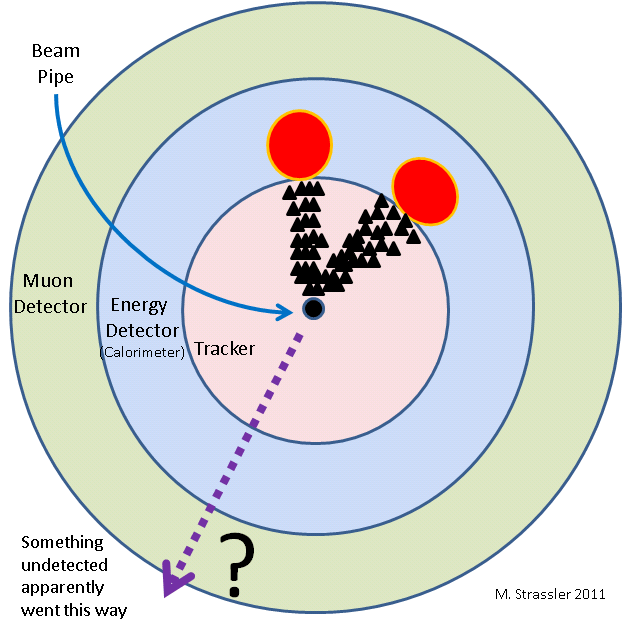
Understanding Antimatter Antimatter represents the enigmatic counterpart to the ordinary particles that form the fabric of our universe. It consists of particles that possess the same mass as their matter equivalents but carry opposite charges and quantum numbers. This intriguing form of matter challenges conventional physics and opens avenues for exploring fundamental interactions beyond the […]

Read More →

Axions Hint at a Comeback: Are the Ghost Particles Real?

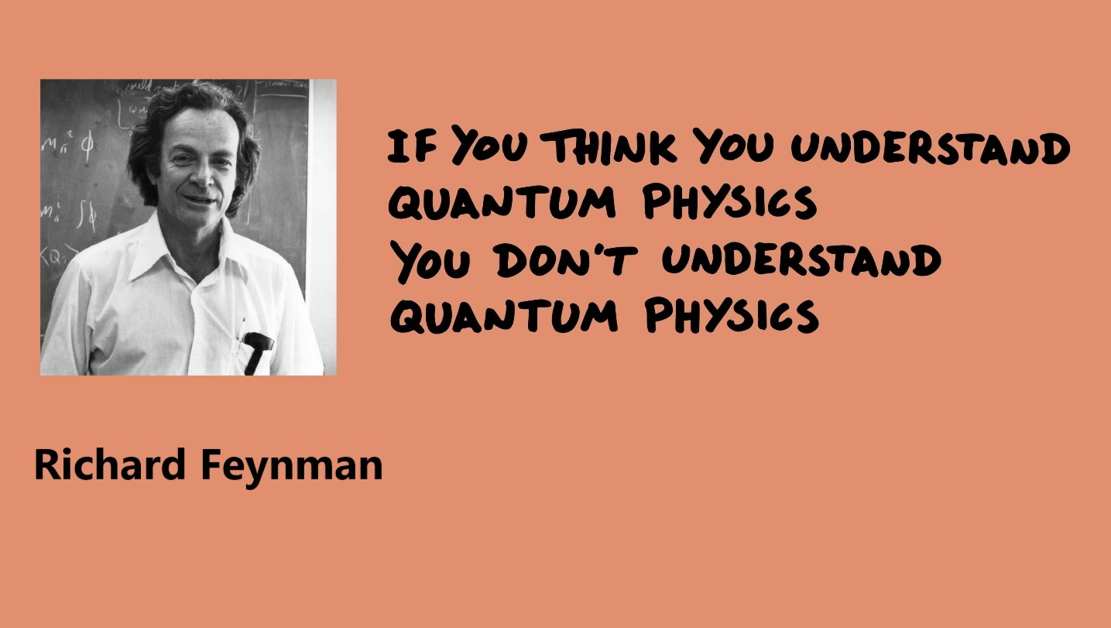
Definition of Axions Axions are hypothetical elementary particles proposed as a solution to certain unresolved problems in particle physics and cosmology. Often referred to as “ghost particles” due to their elusive nature, axions are considered promising candidates for dark matter, the mysterious substance that constitutes a significant portion of the universe’s mass-energy content. These particles […]

Read More →

How fast are the particles in cosmic rays?

Definition of Cosmic Rays Cosmic rays are highly energetic particles originating from outer space that travel vast interstellar distances before reaching Earth. These particles primarily consist of protons but also include heavier atomic nuclei, electrons, and positrons. They are broadly classified into two categories: Primary Cosmic Rays: These originate from extraterrestrial sources such as supernova […]

Read More →

Can the speed of cosmic rays be measured?

Definition of Cosmic Rays Cosmic rays are highly energetic particles originating from outer space, primarily composed of protons, with smaller proportions of atomic nuclei and electrons. These particles emerge from diverse astrophysical phenomena such as supernova explosions, active galactic nuclei, and solar emissions. Upon entering Earth’s atmosphere, cosmic rays interact with atmospheric nuclei, producing extensive […]

Read More →