
Short Answer
Definition of Space Temperature
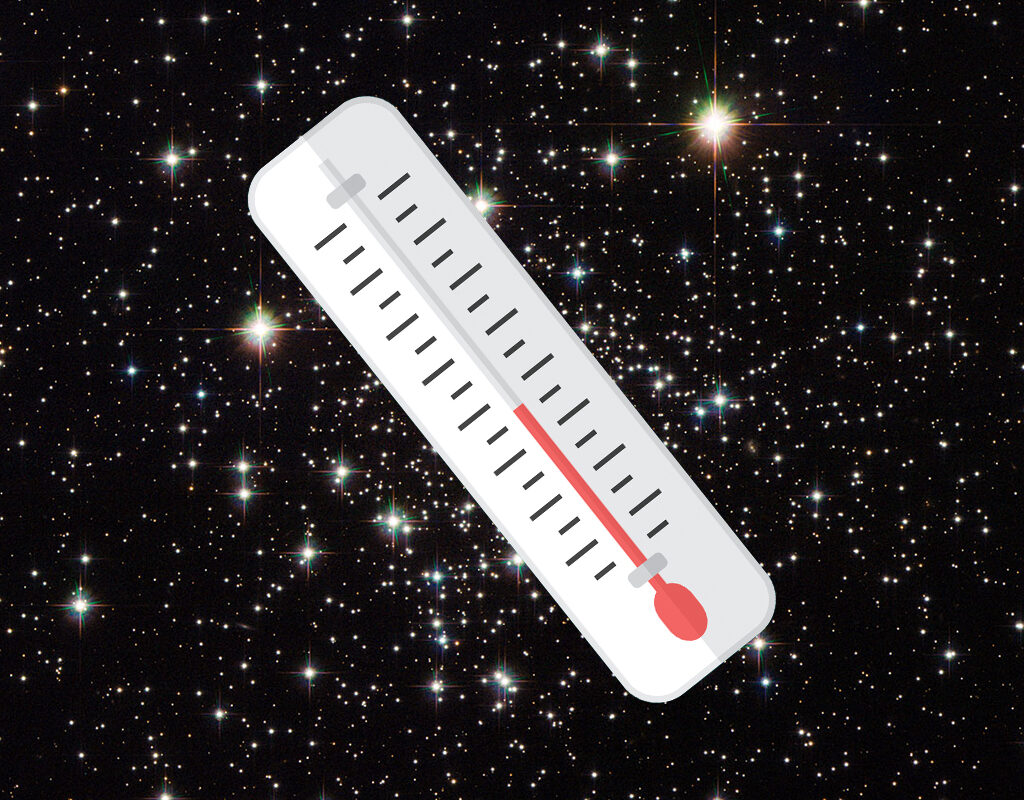
Space is commonly perceived as an expanse of extreme cold, far beyond any temperature experienced on Earth. This perception, while broadly accurate, conceals a complex reality shaped by the unique physical conditions of the cosmos. Rather than a uniform chill, space exhibits a range of thermal states influenced by radiation, matter density, and proximity to celestial bodies.
Physical Characteristics of Space
At its core, outer space is an almost perfect vacuum, characterized by an extraordinarily low density of particles-only a few atoms per cubic centimeter in the interstellar medium. This scarcity of matter means that traditional concepts of temperature, which rely on molecular collisions to transfer heat, do not apply straightforwardly. Instead, temperature in space is better understood through the energy emitted or absorbed by particles and radiation.
The Role of the Cosmic Microwave Background
The cosmic microwave background (CMB) radiation provides a fundamental reference point for the temperature of space. This faint, omnipresent radiation is a remnant of the Big Bang and establishes a baseline temperature of approximately 2.7 kelvins (about -454.8 degrees Fahrenheit). This temperature represents the coldest natural environment in the universe, prevailing in regions far from stars and galaxies.
Temperature Variability Near Celestial Bodies
Space temperature is not uniform and varies dramatically depending on location and exposure to stellar radiation. For example, surfaces exposed to direct sunlight, such as the Moon’s sunlit side, can reach temperatures exceeding 260 degrees Fahrenheit. Conversely, shadowed areas, like the Moon’s dark side, can plunge to nearly -280 degrees Fahrenheit. These extremes highlight the dual nature of space as a realm of both intense heat and profound cold, governed primarily by the presence or absence of radiant energy.
Thermal Dynamics in Space Exploration
The extreme temperature fluctuations in space pose significant challenges for spacecraft and astronauts. Without an atmosphere to provide insulation, objects lose heat rapidly through radiation, risking freezing conditions. Paradoxically, direct exposure to sunlight can cause overheating since there is no atmospheric convection to dissipate heat. To address these challenges, spacecraft employ advanced thermal control technologies, including multi-layer insulation and temperature regulation systems, to maintain operational stability.
Temperature and the Universe’s Dark Components
Adding complexity to the thermal landscape of space are dark matter and dark energy, which constitute the majority of the universe’s mass-energy content. These mysterious entities evade direct detection and defy conventional thermal characterization, presenting an ongoing enigma in understanding the universe’s temperature distribution and thermodynamic behavior.
Temperature Variations in Cosmic Structures
Within galaxy clusters and nebulae, temperature differences reveal important astrophysical processes. Some nebulae emit intense heat due to active star formation, while others remain extremely cold, with molecular clouds at just a few tens of kelvins above absolute zero. These temperature gradients influence the lifecycle of stars and the evolution of cosmic structures, illustrating the dynamic thermal environment of the universe.
Understanding Temperature in the Vacuum of Space
Unlike on Earth, where temperature is sensed through direct particle collisions, space temperature often reflects the energy distribution of photons and cosmic rays. This quantum-scale interaction with electromagnetic radiation defines thermal states in the vacuum, making the concept of temperature in space more abstract but essential for interpreting phenomena such as cosmic background radiation and interstellar gas behavior.
Why the Coldness of Space Is Significant
The extreme cold of space underscores the vastness and complexity of the cosmos. It contrasts sharply with the warmth of stars and planets, creating a dynamic interplay between emptiness and matter, radiation and vacuum. This balance is governed by fundamental physical laws and cosmic radiation, shaping the environment in which galaxies, stars, and planets form and evolve.
Common Misconceptions About Space Temperature
Space is uniformly cold everywhere.
Temperatures in space vary widely depending on exposure to sunlight and proximity to celestial bodies.
Space temperature can be measured like air temperature on Earth.
Due to the near-vacuum conditions, temperature in space is defined by radiation energy rather than molecular collisions.
Space is at absolute zero.
The cosmic microwave background radiation sets a temperature floor around 2.7 kelvins, above absolute zero.
Real-World Implications of Space Temperature
Understanding the thermal environment of space is crucial for the design and operation of spacecraft, satellites, and space missions. Thermal regulation systems must account for rapid heat loss and potential overheating to protect sensitive instruments and human explorers. Additionally, studying temperature variations in space informs astrophysics, helping scientists unravel the processes behind star formation, galaxy evolution, and the behavior of cosmic phenomena.
Conclusion: The Fascination with Space’s Coldness
The chilling vastness of space invites both scientific inquiry and philosophical reflection. It represents a frontier where the familiar rules of temperature and heat are transformed by the vacuum and radiation-dominated environment. This profound coldness is not merely a physical condition but a symbol of the universe’s grandeur, mystery, and the delicate balance that sustains cosmic order.
FAQ
What is the average temperature of space?
The average temperature of space is approximately 2.7 kelvins, as defined by the cosmic microwave background radiation.
How does temperature in space differ from temperature on Earth?
Temperature in space does not rely on molecular collisions like on Earth; instead, it is defined by the energy of radiation and particles.
Can space temperature be uniform?
No, space temperature varies widely depending on exposure to sunlight and proximity to celestial objects.

Leave a Reply