
Short Answer
Definition of CT Scans and Genetic Mutation Concerns
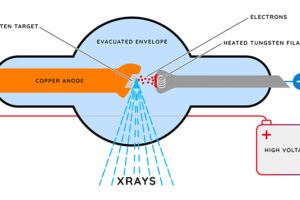
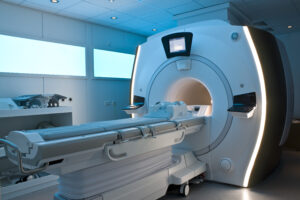
Computed tomography (CT) scans are advanced medical imaging techniques that provide detailed cross-sectional views of the body’s internal anatomy. These scans utilize ionizing radiation to generate images, raising questions about their potential to cause genetic mutations. Specifically, concerns focus on whether the radiation exposure during a CT scan can alter DNA sequences, potentially leading to harmful mutations.
Understanding Ionizing Radiation and Its Biological Impact
Ionizing radiation, the form of energy emitted during CT imaging, has enough power to remove electrons from atoms, creating charged particles known as ions. This ionization process can directly break DNA strands or indirectly damage DNA through the generation of reactive oxygen species (ROS). Both mechanisms can compromise the integrity of genetic material, potentially leading to mutations if the damage is not properly repaired.
Mechanisms of DNA Damage
- Direct Damage:
Radiation can cause breaks in the DNA strands themselves, disrupting the genetic code. - Indirect Damage:
Radiation induces ROS, which chemically modify DNA bases and cause strand breaks.
The Role of the p53 Tumor Suppressor Gene in DNA Repair
The p53 gene, often referred to as the “guardian of the genome,” is a critical regulator of cellular responses to DNA damage. It detects genetic abnormalities and either activates repair pathways or initiates programmed cell death (apoptosis) if the damage is beyond repair. This function is essential in preventing the propagation of mutated cells that could lead to cancer.
p53 Functionality
- Damage Recognition:
p53 senses DNA lesions and halts the cell cycle to allow repair. - Repair Activation:
It promotes the expression of genes involved in DNA repair mechanisms. - Apoptosis Induction:
If repair fails, p53 triggers cell death to eliminate damaged cells.
Radiation Dose in CT Scans Compared to Other Sources
CT scans expose patients to higher radiation doses than standard X-rays. For example, an abdominal CT scan typically delivers between 5 to 10 millisieverts (mSv), whereas a chest X-ray exposes a patient to approximately 0.1 mSv. To contextualize, the average person receives about 3 mSv annually from natural background radiation. These dose levels are important when evaluating the potential risk of radiation-induced genetic mutations.
Assessing the Risk of Genetic Mutations from CT Radiation
While ionizing radiation can damage DNA, the body’s repair systems, particularly the p53 pathway, work to maintain genetic stability. However, repeated or high-dose exposures may overwhelm these defenses, increasing the likelihood of mutations. Epidemiological studies have observed associations between cumulative medical radiation exposure and elevated cancer risk, though causality is influenced by multiple factors including genetics and environment.
Factors Influencing Mutation Risk
- Radiation Dose and Frequency:
Higher and repeated doses increase mutation risk. - Individual Genetic Susceptibility:
Some individuals, such as children or those with genetic predispositions, are more vulnerable. - Environmental and Lifestyle Factors:
These can modulate overall cancer risk alongside radiation exposure.
Balancing Benefits and Risks in Medical Imaging
CT scans provide invaluable diagnostic information that can guide effective treatment. Medical professionals apply the ALARA (As Low As Reasonably Achievable) principle to minimize radiation exposure while ensuring diagnostic quality. The decision to perform a CT scan involves weighing the immediate clinical benefits against the potential long-term risks of radiation-induced genetic damage.
Alternative Imaging Modalities Without Ionizing Radiation
Emerging and established imaging technologies such as magnetic resonance imaging (MRI) and ultrasound offer diagnostic capabilities without the use of ionizing radiation. These alternatives are particularly advantageous for patients requiring frequent imaging or those at higher risk from radiation exposure.
Special Considerations for Vulnerable Populations
Certain groups, including pediatric patients and individuals with inherited genetic disorders, exhibit heightened sensitivity to radiation. Tailored imaging protocols and cautious use of CT scans are essential to protect these populations from unnecessary genetic risks.
Ongoing Research and Future Directions
Scientific investigations continue to explore the complex interactions between radiation exposure, DNA damage, and repair mechanisms like p53. Advances in understanding genetic expression changes post-radiation will enhance clinical guidelines and patient safety. Informed consent and transparent communication about potential risks remain critical components of patient care.
Summary: Can CT Scans Cause Genetic Mutations?
The potential for CT scans to induce genetic mutations exists due to the ionizing radiation involved. However, the body’s intrinsic repair systems, especially the p53 gene, play a vital role in mitigating this risk. When used judiciously and with appropriate safety measures, the diagnostic advantages of CT imaging outweigh the potential genetic hazards. Continued research and technological innovation aim to optimize this balance, ensuring patient health and genomic integrity are preserved.
FAQ
What are the risks of CT scans?
CT scans expose patients to higher radiation doses, which may increase the risk of genetic mutations.
How does the body repair DNA damage from radiation?
The body's repair systems, especially the p53 gene, play a vital role in repairing DNA damage.


Leave a Reply