
Short Answer
Definition and Significance of Bubbles in Medicine
Bubbles, often perceived as simple physical entities, hold significant importance in the medical field. They represent a fascinating convergence of physics and biology, where fundamental physical forces manifest in clinical applications. In medical contexts, bubbles are not merely air pockets but dynamic structures that influence diagnostic imaging, drug delivery, and therapeutic procedures, revealing a complex interplay between science and health.
Physical Principles Underlying Bubble Formation
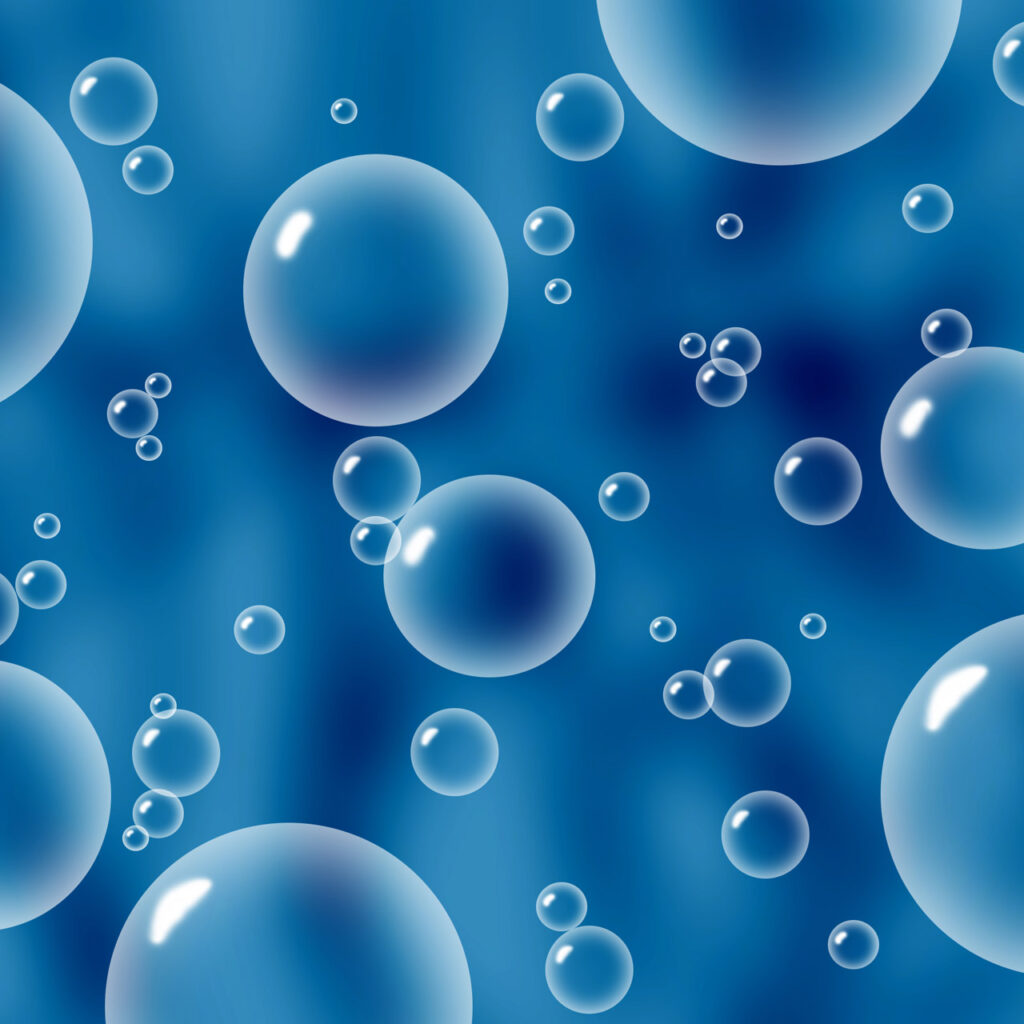
Bubbles exemplify the concept of surface tension, a key physical force arising from cohesive interactions among liquid molecules. This force creates a resilient interface that resists external disturbances, enabling bubbles to adopt a spherical shape that minimizes surface area. Such physical characteristics are crucial in medical technologies, where the behavior of bubbles under various conditions is harnessed for practical use.
- Surface Tension:
The cohesive forces between liquid molecules that form a stable bubble surface. - Spherical Shape:
Resulting from the minimization of surface area due to surface tension.
Role of Bubbles in Medical Imaging
In diagnostic ultrasound, microbubbles serve as contrast agents to enhance image clarity. These gas-filled microbubbles are introduced into the bloodstream, where their interaction with sound waves increases echogenicity, allowing for detailed visualization of internal organs and tissues. The dynamics of bubbles in viscous fluids involve principles such as buoyancy and drag, which influence their movement and stability within the circulatory system.
Contrast Agents and Hydrodynamics
Microbubbles act as contrast enhancers by reflecting ultrasound waves more effectively than surrounding tissues. Their behavior is governed by hydrodynamic forces:
- Buoyancy:
The upward force exerted by the fluid, affecting bubble rise. - Drag Force:
Resistance encountered by bubbles moving through blood, impacting their velocity and distribution.
Therapeutic Applications: Drug Delivery and Cavitation
Bubbles also play a pivotal role in targeted drug delivery systems. Encapsulating medications within lipid or polymer-based bubbles, such as liposomes or nanoemulsions, allows precise transport through the body’s microvasculature. This targeted release enhances treatment efficacy while reducing systemic side effects by exploiting diffusion and osmosis mechanisms.
Another therapeutic use involves cavitation, where bubbles rapidly form and collapse within a liquid medium. This phenomenon is utilized in procedures like lithotripsy, where the energy from collapsing bubbles breaks down kidney stones into smaller fragments, facilitating their removal. Controlled cavitation exemplifies the direct application of physical principles to improve patient care.
Pathological Implications: Gas Embolism
While bubbles have beneficial uses, they can also pose health risks. Gas emboli, or bubbles formed within the bloodstream, often result from rapid decompression events such as those experienced by divers ascending too quickly. These intravascular bubbles can obstruct blood flow, leading to serious complications. Understanding the physics of bubble formation and behavior under varying pressures is essential for developing safety protocols and preventive strategies.
Symbolism of Bubbles in Healthcare
Beyond their physical and clinical roles, bubbles metaphorically represent the fragility of human life within the hospital setting. Their delicate, transient nature parallels the vulnerability of patients, emphasizing the need for comprehensive care that addresses both physical health and emotional well-being. This symbolism encourages a holistic approach to medicine, integrating scientific rigor with compassionate support.
Emerging Frontiers: Nanotechnology and Bubble Dynamics
The future of medical applications involving bubbles is closely linked to advances in nanotechnology. Manipulating bubbles at the nanoscale promises to revolutionize imaging and targeted therapy, particularly in oncology, where precision is critical. Ultrasonic techniques combined with nanoscale bubble dynamics offer potential breakthroughs in diagnosing and treating complex diseases.
Why Understanding Bubbles is Crucial in Medicine
The study of bubbles bridges fundamental physics and medical innovation, demonstrating how basic scientific concepts translate into life-saving technologies. From enhancing diagnostic accuracy to enabling targeted treatments and ensuring patient safety, bubbles embody the intricate relationship between physical laws and healthcare. Recognizing their multifaceted roles enriches our appreciation of both the science and humanity inherent in modern medicine.
FAQ
What role do bubbles play in medical imaging?
Bubbles, particularly microbubbles, serve as contrast agents in ultrasound imaging by enhancing the echogenicity, allowing clearer visualization of internal structures.
How are bubbles used in targeted drug delivery?
Pharmaceuticals can be encapsulated within lipid or polymeric bubbles, such as liposomes or nanoemulsions, to deliver drugs directly to affected tissues, improving efficacy and reducing side effects.
What is cavitation and how is it used therapeutically?
Cavitation is the rapid formation and collapse of bubbles in a liquid. In medicine, controlled cavitation is used in therapies like lithotripsy to fragment kidney stones.
Why is understanding bubble formation important in diving medicine?
Gas emboli, or bubbles in the bloodstream caused by rapid decompression, can block blood flow and cause serious health issues, so understanding bubble physics informs safe diving practices.
What future medical technologies involve bubbles?
Nanotechnology involving bubble manipulation at the nanoscale could lead to advanced imaging and targeted therapies, especially for diseases like cancer.




Leave a Reply