

Short Answer
Overview of Future Astrophysical Instruments
The field of astrophysics is deeply intertwined with technological progress, with the capabilities of scientific instruments directly influencing the scope and depth of cosmic discoveries. As we look ahead, the development of next-generation telescopes promises to revolutionize how we observe and interpret the universe, offering enhanced precision and novel insights into celestial phenomena.
Definition and Significance of Advanced Telescopes
Future telescopes refer to the upcoming generation of astronomical instruments designed with cutting-edge technologies to improve observational power and data acquisition. These tools aim to surpass current limitations by integrating innovative materials, detection systems, and computational methods, thereby expanding our cosmic horizon.
- Enhanced Apertures:
Larger and more efficient light-gathering surfaces to capture faint signals from distant objects. - Multi-Spectral Capabilities:
Instruments capable of observing across various electromagnetic spectra, including radio, optical, infrared, and gamma rays. - Adaptive Optics:
Systems that correct atmospheric distortions in real-time to produce clearer images.
Technological Innovations Driving Telescope Evolution
The advancement of telescope technology centers on several key innovations that collectively improve observational accuracy and sensitivity.
Light-Gathering Systems and Materials
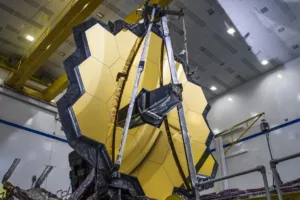
Modern telescope designs emphasize the use of expansive mirrors crafted from advanced materials such as silicon carbide. This material offers exceptional thermal stability and mechanical strength while being lightweight, allowing telescopes to maintain optimal performance under diverse environmental conditions.
Next-Generation Photodetectors
Emerging photodetection technologies, particularly superconducting nanowire single-photon detectors (SNSPDs), are set to dramatically enhance sensitivity. Operating near absolute zero temperatures, SNSPDs can detect extremely faint light pulses, enabling the observation of phenomena that were previously only theoretical.
Multi-Wavelength Observational Techniques
Future telescopes are envisioned to seamlessly switch between different spectral bands, facilitating comprehensive studies of celestial bodies. This multi-wavelength approach provides a richer understanding of the composition, dynamics, and evolution of astronomical objects by combining spatial resolution with spectral diversity.
Integration of Artificial Intelligence and Automation
The incorporation of machine learning and AI algorithms into telescope operations is transforming data analysis. Automated systems can efficiently process vast datasets, identify patterns, and detect anomalies that might elude traditional methods, thereby accelerating discovery and enhancing research productivity.
Sustainable and Deployable Observatory Designs
There is a growing emphasis on creating mobile, ground-based observatories that minimize environmental impact. These platforms are designed for deployment in remote locations with low ecological footprints, often powered by renewable energy sources, ensuring sustainable astronomical research.
Ethical Considerations in Advanced Astronomical Technologies
As observational capabilities expand, ethical questions arise regarding surveillance, privacy, and environmental stewardship. The ability to study exoplanets in detail raises profound responsibilities about potential extraterrestrial contact, while large-scale telescope arrays must be managed to protect terrestrial ecosystems and preserve dark skies essential for astronomy.
Collaborative Approaches to Future Telescope Development
Addressing the multifaceted challenges of next-generation telescopes requires interdisciplinary cooperation among physicists, engineers, ethicists, and policymakers. Such collaboration ensures that technological progress aligns with ethical standards and environmental sustainability.
Preparing the Next Generation of Astrophysicists
Educational programs must evolve to equip future researchers with skills in computational science, data analytics, and ethical reasoning. Cultivating interdisciplinary expertise will empower upcoming astrophysicists to harness advanced technologies responsibly and innovatively.
Conclusion: The Transformative Potential of Tomorrow’s Telescopes
The aspirations for future telescopes embody a bold vision that pushes the boundaries of current scientific understanding. By integrating breakthroughs in materials science, photonics, artificial intelligence, and ethical frameworks, these instruments are poised to redefine humanity’s cosmic perspective. As we progress toward this future, maintaining curiosity, rigor, and conscientiousness will be essential to unlocking deeper insights into the universe and our place within it.
FAQ
What are the main technological advancements expected in future telescopes?
Future telescopes are expected to feature larger apertures with advanced materials, superconducting nanowire single-photon detectors, multi-wavelength observation capabilities, and AI-driven automation.
How will sustainability be addressed in future telescope designs?
By developing mobile, deployable observatories powered by renewable energy to minimize ecological impact.
Why is interdisciplinary collaboration important for future telescope development?
It ensures that technological, ethical, environmental, and policy aspects are considered holistically in designing new astronomical tools.



Leave a Reply