
Short Answer
Definition of Academic Research Platforms
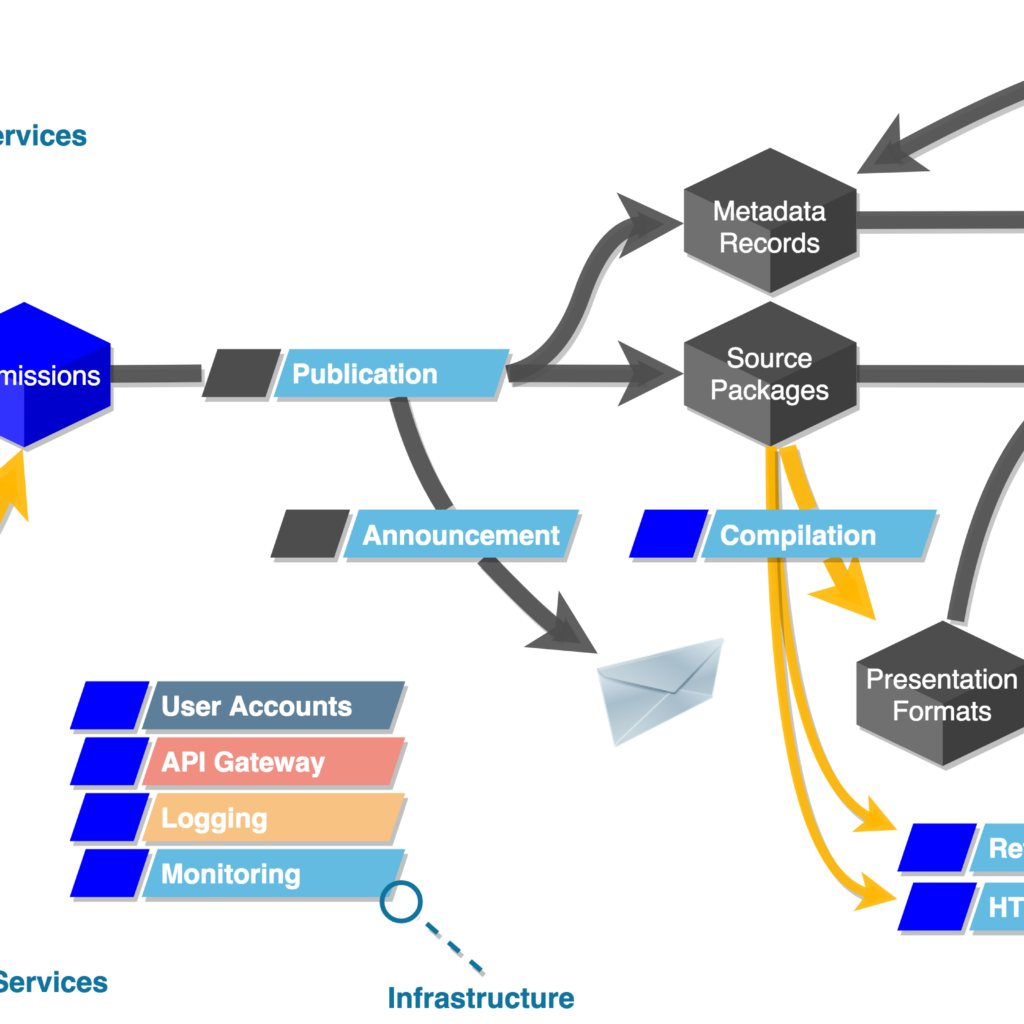
Academic research platforms are digital repositories and interactive websites designed to host, share, and disseminate scholarly manuscripts and scientific findings. These platforms serve as crucial hubs for researchers to publish preprints, access cutting-edge studies, and engage with the academic community across various disciplines such as physics, mathematics, and computer science.
- Traditional Repositories:
Established platforms like arXiv provide a centralized archive for pre-publication research papers, emphasizing accessibility and credibility. - Emerging Platforms:
Newer websites leverage advanced technologies to offer interactive features, personalized content curation, and real-time feedback mechanisms, challenging the conventional models of research dissemination.
Technological Innovations in Research Dissemination
Modern academic platforms utilize sophisticated algorithms and interactive tools to transform how research is consumed and shared. Unlike the linear and static presentation typical of traditional repositories, these innovative sites tailor content to individual user preferences, enhancing engagement and facilitating a more customized exploration of scholarly literature.
- Personalized Content Curation:
Algorithms analyze user behavior and interests to recommend relevant papers, streamlining the research process. - Real-Time Interaction:
Features such as live commenting, peer discussions, and instant feedback foster dynamic scholarly communication.
Shifts in Academic Culture and Research Practices
The rise of new platforms reflects a broader transformation in academic culture, where researchers increasingly seek diverse and novel modes of engagement beyond traditional publishing. This shift is driven by an intrinsic desire for visibility, recognition, and experimentation within a saturated research environment.
- Epistemic Curiosity:
Scholars are motivated by a hunger for innovative ways to share and sense knowledge, pushing the boundaries of conventional dissemination. - Collaborative and Multidisciplinary Focus:
The growing emphasis on cross-disciplinary research aligns with platforms that promote interconnectedness and collective inquiry.
Limitations of Established Repositories
While platforms like arXiv are valued for their reliability and accessibility, their traditional frameworks can impose constraints that limit adaptability in a rapidly evolving digital landscape. Researchers familiar with these repositories recognize their strengths but also seek more agile and interactive environments that better support contemporary scholarly needs.
Community-Driven Peer Review and Democratization
One of the most compelling features of emerging academic platforms is the democratization of the peer review process. By enabling open discussions, critiques, and suggestions from a wider audience, these sites challenge the exclusivity and opacity often associated with traditional peer review systems.
- Transparency:
Open feedback mechanisms increase accountability and foster a more inclusive scholarly dialogue. - Participation:
Broader community involvement empowers researchers at all career stages to contribute meaningfully to the evaluation of scientific work.
Ethical Considerations and Challenges
The rapid dissemination capabilities of new platforms raise important ethical questions, particularly regarding the potential spread of misinformation. The speed at which research is shared can sometimes outpace thorough vetting, necessitating vigilant oversight to maintain the integrity and credibility of scientific communication.
- Risk of Disinformation:
Without adequate curation, erroneous or misleading findings may circulate widely. - Accountability:
Ensuring responsible conduct and verification processes is critical to uphold trust in academic outputs.
The Evolving Role of the Academic Researcher
The digital transformation of scholarly communication demands that researchers develop a diverse skill set extending beyond their specialized expertise. Navigating online networks, managing social media presence, and engaging in collaborative platforms have become integral to modern academic life.
- Digital Literacy:
Proficiency in digital tools and platforms is essential for effective research dissemination and networking. - Multifaceted Engagement:
Balancing scientific contributions with public interaction and community building is increasingly expected.
Impact on Academic Hierarchies and Inclusivity
New platforms contribute to reshaping traditional academic hierarchies by providing equitable opportunities for scholars at different career stages to participate in scientific discourse. This inclusivity encourages fresh perspectives and fosters a more diverse and vibrant research community.
- Empowerment of Early-Career Researchers:
Emerging scholars gain visibility and voice through accessible platforms. - Intergenerational Exchange:
Established researchers benefit from novel insights and collaborative opportunities with newer academics.
Conclusion: Navigating the Future of Scholarly Communication
The introduction of innovative academic platforms that rival established repositories like arXiv signals a significant evolution in the landscape of scientific communication. These developments reflect a collective aspiration for adaptability, interactivity, and inclusivity within the research community. As scholars embrace these new tools, they must remain mindful of the ethical responsibilities and potential challenges involved. Ultimately, this transformation offers a promising avenue to enrich knowledge exchange and foster a more connected and dynamic academic ecosystem.
FAQ
What are academic research platforms?
Academic research platforms are digital repositories designed to host, share, and disseminate scholarly manuscripts and scientific findings.
How do new platforms differ from traditional ones like arXiv?
New platforms leverage advanced technologies for personalized content curation and real-time interactions, unlike the static nature of traditional repositories.
What are the ethical concerns surrounding new academic platforms?
The rapid dissemination of research raises concerns about misinformation and the need for adequate oversight to maintain scientific integrity.





Leave a Reply