

Short Answer
Understanding Biophysics in Medicine
Biophysics is an interdisciplinary science that merges the principles of physics with biological systems to uncover the fundamental physical laws that govern life processes. Within the medical field, this fusion aims to provide novel insights into complex physiological mechanisms, potentially revolutionizing diagnostic and therapeutic approaches. However, the practical translation of biophysical theories into clinical applications often faces significant challenges, raising questions about its tangible value in everyday medical practice.
Core Concepts and Challenges of Biophysics in Clinical Settings
At its core, biophysics seeks to explain biological phenomena through physical laws such as quantum mechanics and thermodynamics. For instance, understanding how drugs interact at the molecular level requires not only knowledge of biological pathways but also an appreciation of these physical principles. This complexity can render biophysics seemingly abstract and difficult to apply directly in patient care, where immediate and actionable information is paramount.
Furthermore, the inherently interdisciplinary nature of biophysics can sometimes dilute its impact in medicine. Physicians and healthcare providers often rely on straightforward empirical data, whereas biophysical research may involve intricate computational models and simulations that do not always translate into clear clinical outcomes. This gap can foster skepticism about the practical relevance of biophysics in medical decision-making.
Educational Perspectives and Integration Issues
The structure of medical education also influences the perceived importance of biophysics. Medical curricula are typically dense with essential subjects such as anatomy, pharmacology, and pathology, leaving limited space for in-depth study of biophysical concepts. Consequently, many medical students regard biophysics as a specialized, somewhat esoteric field with minimal direct application to their future clinical roles.
Biophysics and Medical Technology
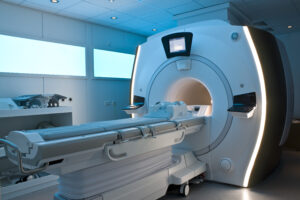
Biophysical principles underpin several advanced medical imaging technologies, including magnetic resonance imaging (MRI) and positron emission tomography (PET). These tools exemplify how physics-based knowledge contributes to medical diagnostics. However, the development of such technologies often involves significant input from engineering and computer science disciplines, which can overshadow the foundational biophysical contributions. This overlap sometimes leads to the perception that biophysics plays a secondary role rather than a central one in these innovations.
Competition with Emerging Biomedical Fields
In recent years, fields like genomics, proteomics, and data analytics have surged to the forefront of biomedical research, offering immediate clinical applications such as personalized medicine and targeted therapies. These rapidly advancing areas often eclipse biophysics, which may appear less directly impactful. This competitive environment raises concerns about whether biophysics risks becoming obsolete despite its rich intellectual heritage.
Significance and Potential of Biophysics in Medicine
Despite these challenges, dismissing biophysics as irrelevant would overlook its unique contributions to understanding health and disease. Biophysical approaches provide a comprehensive perspective on cellular mechanics, such as how mechanical forces influence cell signaling and biological responses. Additionally, emerging fields like nanotechnology, which rely heavily on biophysical principles, are driving innovations in drug delivery and precision therapies.
Future Directions: Revitalizing Biophysics in Medical Science
The primary obstacle may not be the intrinsic value of biophysics but rather its integration within a highly specialized biomedical landscape. Enhancing interdisciplinary collaboration and fostering an academic culture that encourages exploration beyond traditional boundaries could reinvigorate biophysics’ role in medicine. Incorporating biophysical education more thoroughly into medical training and research may help bridge the gap between theory and clinical practice.
Conclusion: The Role of Biophysics in the Evolution of Medicine
The question remains whether biophysics will be sidelined due to its perceived lack of immediate clinical utility or whether it can be re-envisioned as a complementary framework alongside other biomedical disciplines. The future of biophysics in medicine likely depends on the dedication of upcoming scientists and clinicians to engage deeply with the complex physical underpinnings of biological systems. Far from being a mere academic curiosity, biophysics holds the potential to profoundly influence the trajectory of medical science and patient care.
FAQ
What is biophysics?
Biophysics is an interdisciplinary science that merges the principles of physics with biological systems to understand the physical laws governing life processes.
Why is biophysics considered less useful in medicine?
Biophysics faces challenges in clinical application, often appearing abstract and complex compared to more straightforward empirical data relied on by healthcare providers.
How does biophysics contribute to medical technology?
Biophysical principles are foundational to advanced medical imaging technologies like MRI and PET, although their contributions can sometimes be overshadowed by engineering inputs.
What are the future directions for biophysics in medicine?
Enhancing interdisciplinary collaboration and integrating biophysics into medical training may help bridge the gap between theory and clinical practice.





Leave a Reply