
Short Answer
Definition of Amino Acids in Electronics
Amino acids, traditionally known as the essential molecular units forming proteins, have recently gained attention beyond their biological roles. Their integration into the field of electronics marks a novel interdisciplinary approach, often referred to as the ‘molecular interface.’ This concept highlights the utilization of amino acids as organic compounds that contribute to the advancement and functionality of electronic materials and devices.
Structural Characteristics and Electrochemical Properties
The molecular architecture of amino acids consists of a central carbon atom bonded to an amino group, a carboxyl group, and a unique side chain (R group). This configuration imparts distinctive electrochemical behaviors, making amino acids suitable candidates for electronic applications. Their inherent conductive properties, influenced by their chemical structure and environmental factors, are pivotal in developing semiconductors and other electronic components.
Key Structural Features:
- Central Carbon Atom:
Serves as the backbone connecting functional groups. - Amino Group (-NH2):
Contributes to the molecule’s basicity and reactivity. - Carboxyl Group (-COOH):
Provides acidic properties and participates in bonding. - Side Chain (R Group):
Determines the specific chemical and electrochemical characteristics.
Mechanisms of Conductivity and Integration in Electronics
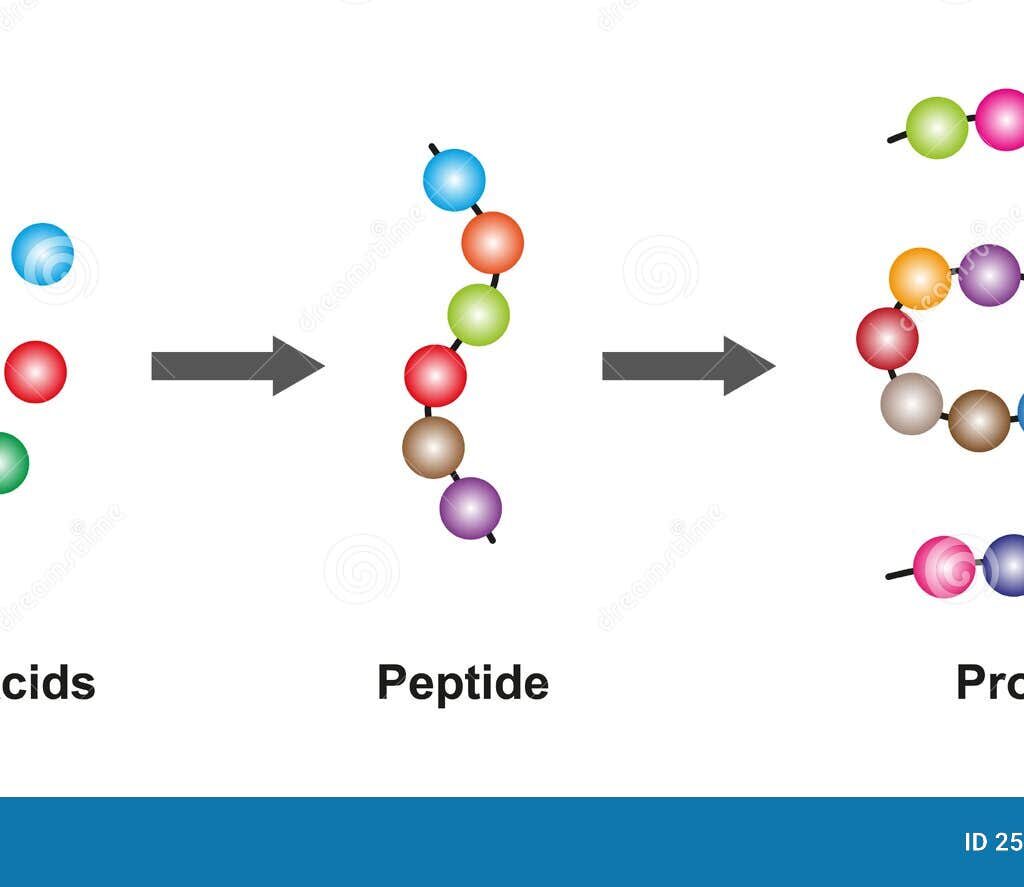
Amino acids exhibit variable electrical conductivity, which can be tailored through chemical modifications and environmental adjustments. For example, cysteine’s ability to form disulfide bonds enables the creation of conductive networks at the nanoscale. Additionally, the self-assembly of peptide chains facilitates the formation of organized nanostructures, which can be exploited to fabricate nanoscale electronic devices.
Applications in Bioelectronics
The fusion of amino acids with electronic systems is particularly transformative in bioelectronics, a field dedicated to integrating biological molecules with electronic interfaces. Amino acid-based organic semiconductors have paved the way for flexible, biocompatible devices. These innovations hold promise for wearable technologies, targeted drug delivery mechanisms, and biosensors capable of real-time physiological monitoring.
Molecular Sensors Utilizing Amino Acids
In sensor technology, amino acids enhance sensitivity and specificity by serving as molecular recognition elements. Sensors incorporating amino acid modifiers detect target analytes through changes in electrical conductivity triggered by molecular binding events. Understanding these molecular interactions is crucial for optimizing sensor accuracy and performance.
Role in Energy Storage and Organic Photovoltaics
Amino acids contribute to the development of organic photovoltaic materials by facilitating charge transfer processes essential for solar energy conversion. Organic semiconductors derived from amino acids often exhibit high absorption coefficients, improving the efficiency of solar cells. Their biocompatibility further supports their use in sustainable and environmentally friendly energy solutions.
Innovations in Nanotechnology
Peptide-based nanomaterials, formed by the assembly of amino acids into nanofibers or nanoparticles, are emerging as promising components in electronic applications. These nanostructures demonstrate unique electronic properties, including field-effect transistor behavior and photonic functionalities, which are critical for the evolution of next-generation electronic devices that integrate biological macromolecules.
Challenges in Practical Implementation
Despite their potential, amino acid-based electronic materials face several obstacles. Issues such as scalability, reproducibility, and long-term stability must be resolved to enable widespread application. Furthermore, the complex interactions between amino acids and inorganic materials in hybrid systems require deeper investigation to fully understand and optimize their performance in electronic environments.
Significance and Future Prospects
The convergence of amino acids and electronics represents a groundbreaking frontier in material science and engineering. By leveraging the multifunctional properties of amino acids, researchers aim to revolutionize electronic device design, spanning biointegrated systems to renewable energy technologies. Continued exploration in this domain promises innovative solutions that seamlessly blend molecular biology with modern electronics, fostering a future where these disciplines coexist and enhance one another.
FAQ
What unique properties do amino acids bring to electronics?
Amino acids have distinct molecular structures enabling electrical conductivity, self-assembly, and biocompatibility, which are useful for creating flexible and sensitive electronic components.
How does the self-assembling nature of peptides contribute to nanotechnology?
Peptides can spontaneously form nanoscale structures that function as components in electronic circuits and sensors, enabling novel device architectures.
Why is biocompatibility important in amino acid-based electronics?
Biocompatibility allows devices to safely interface with biological systems for medical applications such as wearable sensors and drug delivery platforms.




Leave a Reply