
Short Answer
Definition of Blade Irons and Their Thickness
Blade irons are a category of golf clubs distinguished by their sleek, minimalist design, favored by skilled players who prioritize precision and feel over forgiveness. The thickness of a blade iron refers to the measurement of its clubhead, particularly at the edges, which influences both its aesthetic appeal and functional performance. Understanding the limits of how thin a blade iron can be involves exploring not only its physical dimensions but also the impact on playability, craftsmanship, and the golfer’s tactile connection with the club.
Historical Development of Blade Iron Thickness
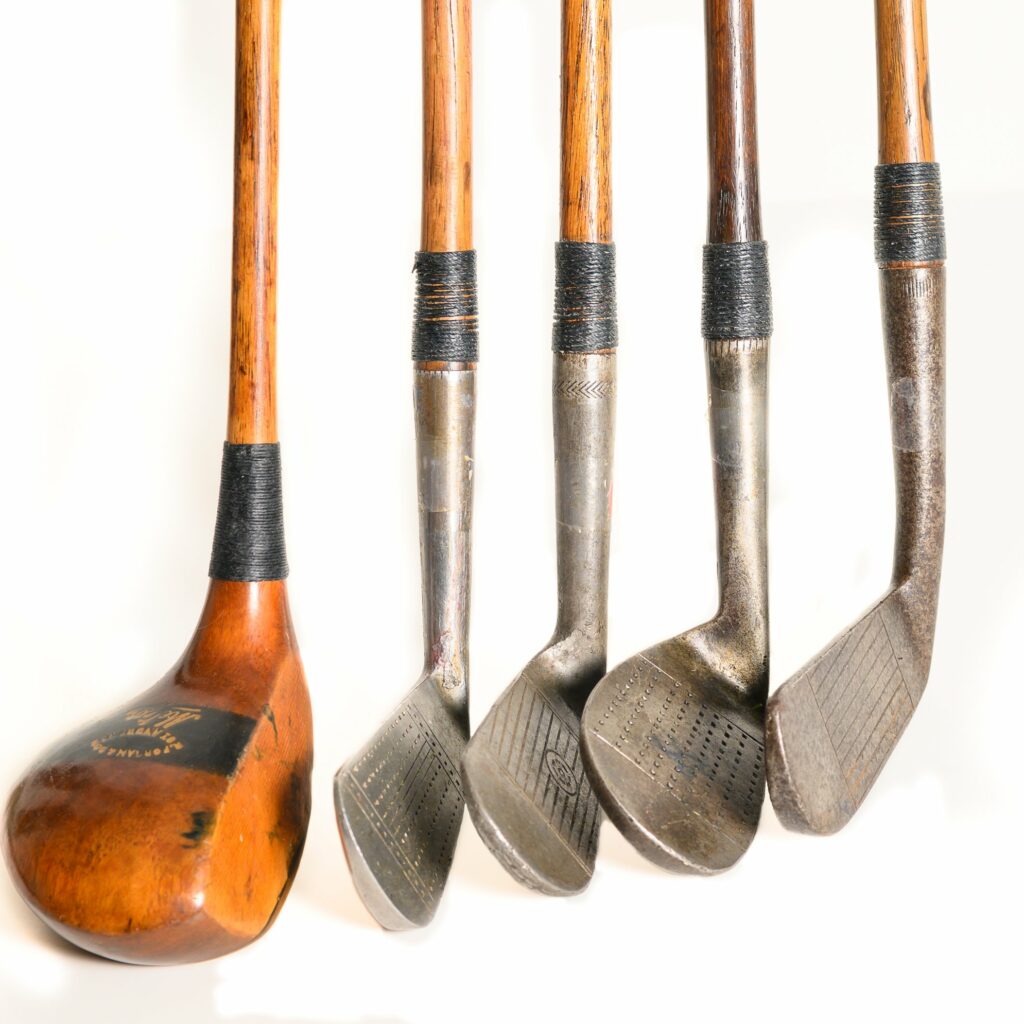
Historically, blade irons have been crafted with a focus on simplicity and control. Unlike cavity-back irons, which are engineered to offer greater forgiveness and ease of use, blade irons maintain a slender profile that appeals to purists. Early blade irons often featured edges just a few millimeters thick, striking a delicate balance between weight distribution and structural soundness. This traditional approach has inspired ongoing innovation, as manufacturers seek to refine the thinness of blades while preserving their essential qualities.
Material Science and Technological Advances
Modern metallurgy and manufacturing techniques have revolutionized the production of blade irons, enabling the creation of thinner yet stronger clubheads. The use of high-strength alloys combined with precision forging and casting methods allows for significant reductions in blade thickness without sacrificing durability or performance. These advancements cater to golfers who demand immediate feedback and enhanced shot-shaping capabilities, pushing the boundaries of what was once considered mechanically possible.
Impact of Thickness on Performance and Design
The thickness of a blade iron directly affects its center of gravity (CG), which in turn influences ball flight characteristics such as trajectory, spin, and dispersion. Thinner blades tend to shift the CG, requiring golfers to manage trade-offs between distance control and shot accuracy. Additionally, blade thickness alters the club’s vibrational response upon impact, affecting the tactile sensation experienced by the player. Therefore, the choice of blade thickness is a critical factor that shapes both the technical and sensory aspects of golf performance.
Artistry and the Aesthetic Appeal of Thin Blades
Beyond functionality, thin blade irons embody a form of artistry that resonates with many golfers. Their slim profiles symbolize elegance and meticulous craftsmanship, akin to the precision found in fine culinary tools or luxury automobiles. This artistic dimension enhances the golfer’s emotional engagement with their equipment, transforming the act of playing into a refined and contemplative experience. The visual and tactile qualities of thin blades contribute to a deeper appreciation of the sport’s heritage and craftsmanship.
Engineering Constraints and Practical Limits
Despite advances in materials and design, there are inherent physical limits to how thin a blade iron can be made. Reducing thickness increases the risk of deformation or breakage under the stresses of play. Typically, the optimal thickness range for blade irons lies between 3 to 5 millimeters, balancing durability with performance. Engineers must also consider other design elements such as sole thickness, loft angle, and lie angle, which collectively influence the club’s overall effectiveness and feel.
Customization and Player Preferences
The rise of custom club fitting has brought blade thickness into sharper focus, allowing golfers to tailor their irons to individual swing characteristics and performance goals. Preferences for specific sole shapes, neck designs, and thickness profiles reflect the intertwined nature of aesthetics and functionality. This personalization trend highlights how player input drives the evolution of blade iron design, ensuring that each club meets unique demands while maintaining the traditional allure of thin blades.
Why Blade Thickness Matters in Golf
The fascination with thin blade irons extends beyond mere measurements; it represents a convergence of engineering excellence, artistic expression, and personal mastery. Selecting a blade iron is a nuanced decision that reflects a golfer’s desire for precision, feedback, and connection with their equipment. The pursuit of thinner blades exemplifies the ongoing quest to enhance the golfing experience by harmonizing technological innovation with the sport’s rich craftsmanship traditions.
Future Perspectives on Blade Thinness
As technology continues to advance, the question of the ultimate thinness achievable in blade irons remains open. Innovations in materials and design may further reduce thickness while maintaining or improving performance and durability. This ongoing evolution challenges manufacturers and players alike to reconsider the balance between form and function, potentially redefining the standards of blade iron craftsmanship. Ultimately, the journey toward the thinnest blade is a testament to golf’s enduring blend of science, art, and human skill.
FAQ
What is the thinnest a golf blade iron can be made?
Typically, the thinnest blades are around 3-5 millimeters thick at their edges, balancing durability and performance.
How does blade thickness affect golf performance?
Thinner blades influence the center of gravity and vibration, impacting control, trajectory, spin rate, and shot feel.
What materials are used to manufacture thin golf blades?
High-strength alloys and advanced forging or casting techniques allow for thinner blades without compromising strength.
Why do some golfers prefer blade irons over cavity-back irons?
Blade irons offer better feel and precision, appealing to purist golfers who prioritize shot-shaping and feedback.
Are there limits to how thin a blade iron can be?
Yes, material strength and durability set practical limits, as excessively thin blades risk deformation or breakage.





Leave a Reply