
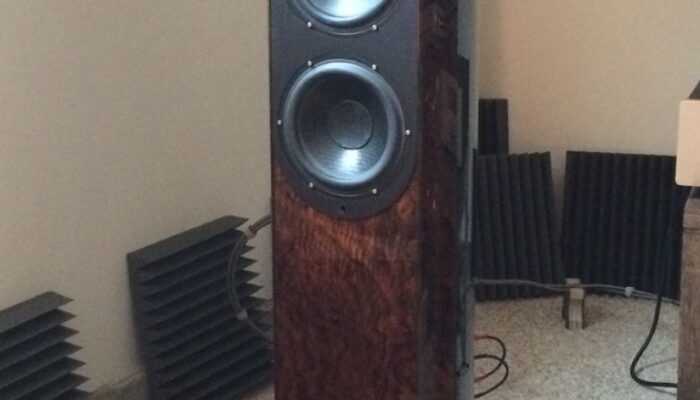
Short Answer
Definition of Fiber-Enhanced Speaker Technology
Fiber-enhanced speaker technology represents a cutting-edge fusion of advanced materials science and audio engineering aimed at elevating sound reproduction quality. This innovation leverages the unique physical properties of fiber composites, particularly carbon fiber, to create speaker components that are lightweight, durable, and acoustically superior. The integration of these materials into speaker design marks a significant evolution from traditional wooden or plastic enclosures, offering both enhanced performance and modern aesthetic appeal.
Fundamental Principles of Acoustics and Material Science
Sound is fundamentally a mechanical vibration that travels through various media. The ability of a material to transmit these vibrations effectively depends on its intrinsic physical characteristics:
- Density:
Lower density materials tend to reduce unwanted mass, allowing for quicker diaphragm response and improved sound clarity. - Elasticity:
Materials with high elasticity can better accommodate vibrational energy without permanent deformation, preserving sound fidelity. - Tensile Strength:
Strong materials resist distortion under stress, minimizing sound wave interference and distortion.
Understanding these properties is essential for selecting materials that optimize speaker performance by enhancing sound wave propagation and reducing acoustic anomalies.
Role of Carbon Fiber in Modern Speaker Design
Carbon fiber, composed of ultra-fine strands of carbon atoms bonded in a crystalline formation, has emerged as a premier material in speaker manufacturing due to its exceptional characteristics:
- Lightweight Construction:
Its low mass allows for faster diaphragm movement, resulting in more precise sound reproduction. - High Tensile Strength:
This ensures durability and resistance to deformation, maintaining consistent acoustic output over time. - Non-linear Acoustic Response:
Carbon fiber’s unique interaction with sound waves reduces distortion, delivering a truer representation of the original audio signal. - Aesthetic Versatility:
Finishes such as the ‘burl’ pattern not only enhance visual appeal but also reflect thoughtful engineering choices aimed at performance optimization.
Innovations in Speaker Enclosure Engineering
The speaker enclosure, or cabinet, plays a pivotal role in shaping the acoustic environment. While traditional wooden cabinets have been favored for their natural resonance qualities, the advent of composite materials like carbon fiber has unlocked new design possibilities:
- Advanced Structural Geometries:
Composite materials allow for complex shapes that reduce internal resonance and standing waves, improving sound clarity. - Enhanced Sound Diffusion:
Innovative enclosure designs promote even distribution of sound waves, creating a more immersive listening experience. - Material Synergy:
Combining carbon fiber with other composites can tailor acoustic properties to specific performance goals.
Integration of Smart Technologies in Speaker Systems
Modern speaker systems increasingly incorporate digital technologies that enhance user interaction and audio quality. The synergy between carbon fiber enclosures and embedded electronics enables features such as:
- Wireless Connectivity:
Facilitates seamless streaming and device pairing without cumbersome wiring. - Digital Signal Processing (DSP):
Allows for real-time equalization, spatial audio effects, and active noise cancellation. - Compact All-in-One Designs:
Integration of components within a single enclosure simplifies setup and improves portability.
This convergence of material innovation and digital technology exemplifies the future trajectory of audio reproduction systems.
Emergence of All-in-One Audio Solutions
The concept of all-in-one audio devices reflects a shift towards user-friendly, multifunctional sound systems that combine high fidelity with convenience. Key attributes include:
- Portability:
Lightweight materials and compact designs enable easy transport and placement. - Ease of Use:
Simplified interfaces and wireless capabilities reduce the need for technical expertise. - High-Quality Sound:
Advanced materials and integrated processing ensure premium audio performance.
This democratization of audio technology broadens access to superior sound experiences, challenging traditional, complex setups.
Challenges and Sustainability Considerations
Despite the advantages, the adoption of fiber-based speaker technology faces several hurdles:
- Production Costs:
High-quality composite materials and sophisticated manufacturing processes can increase retail prices, potentially limiting market penetration. - Environmental Impact:
The sustainability of composite production is a growing concern, prompting research into recyclable and biodegradable alternatives to reduce ecological footprints.
Addressing these challenges is critical to ensuring the long-term viability and acceptance of advanced speaker technologies.
Subjectivity of Auditory Experience and Design Philosophy
Sound perception is inherently personal, influenced by individual preferences, listening environments, and cultural backgrounds. The use of carbon fiber in speaker design not only enhances acoustic performance but also enriches the sensory experience through:
- Tactile Engagement:
The texture and finish of carbon fiber enclosures invite physical interaction, deepening user connection. - Visual Appeal:
Modern aesthetics align with contemporary design trends, making speakers both functional and artistic objects.
This holistic approach underscores the fusion of utility and artistry that defines contemporary audio equipment.
Future Outlook of Fiber-Based Speaker Technology
The ongoing evolution of speaker technology is poised to balance performance, style, and environmental responsibility. As engineers and designers continue to exploit the unique advantages of carbon fiber and integrate advanced digital features, the potential for innovative, all-encompassing audio solutions expands. This trajectory promises to redefine how sound is experienced, blending technical excellence with artistic expression in a sustainable framework.
FAQ
What is fiber-enhanced speaker technology?
It is a combination of advanced materials science and audio engineering that uses fiber composites, particularly carbon fiber, to improve the quality of sound reproduction in speakers.
Why is carbon fiber preferred in speaker design?
Carbon fiber's lightweight, high tensile strength, and unique acoustic properties make it ideal for enhancing sound fidelity and durability in speaker systems.




Leave a Reply