

Short Answer
Definition
Physics is the branch of science concerned with the nature and properties of matter and energy. In the context of medicine, it provides the fundamental principles that explain how biological systems function and interact with various physical forces. For pre-medical students, understanding physics is crucial as it forms the scientific basis for many medical technologies and physiological processes.
- Physics in Medicine:
The application of physical laws and concepts to understand, diagnose, and treat medical conditions. - Pre-medical Education:
The foundational study of physics equips future healthcare professionals with the knowledge to comprehend complex biological phenomena and medical technologies.
Role of Physics in Medical Diagnostics
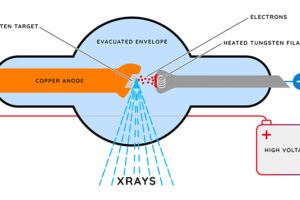
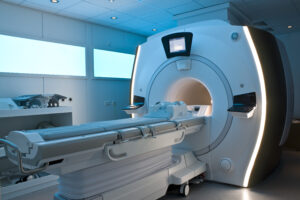
One of the most significant contributions of physics to medicine lies in diagnostic imaging, which allows healthcare providers to visualize internal structures non-invasively. Techniques such as X-rays, computed tomography (CT), and magnetic resonance imaging (MRI) are grounded in physical principles involving electromagnetic radiation and magnetic fields. These imaging modalities enable clinicians to detect abnormalities and guide treatment decisions effectively.
Imaging Technologies Explained
- X-rays and CT Scans:
Utilize high-energy electromagnetic waves to penetrate tissues and create detailed images of bones and organs. - Magnetic Resonance Imaging (MRI):
Employs strong magnetic fields and radio waves to generate high-resolution images of soft tissues. - Ultrasound:
Uses high-frequency sound waves to produce real-time images of internal organs, relying on the physics of acoustics and wave propagation.
Physics in Therapeutic Applications
Beyond diagnostics, physics plays a pivotal role in treatment methods, particularly in radiotherapy for cancer. This therapy uses ionizing radiation to target and destroy malignant cells. Understanding the types of radiation, dosage calculations, and their biological effects is essential for safe and effective treatment planning.
Radiotherapy Fundamentals
- Ionizing Radiation:
Radiation with enough energy to remove tightly bound electrons from atoms, causing cellular damage. - Dose Measurement:
Calculating the precise amount of radiation to maximize tumor destruction while minimizing harm to healthy tissue.
Biomechanics: The Intersection of Physics and Biology
Biomechanics applies the principles of mechanics to biological systems, analyzing forces and movements within the human body. This field is vital for understanding musculoskeletal function, injury mechanisms, and the design of prosthetics and rehabilitation devices.
- Force and Motion:
Examining how muscles, bones, and joints interact to produce movement. - Ergonomics:
Designing tools and environments that optimize human performance and reduce injury risk.
Thermodynamics and Homeostasis in Physiology
The laws of thermodynamics describe energy transfer and transformation, which are fundamental to maintaining homeostasis-the body’s ability to sustain stable internal conditions. These principles help explain how the body regulates temperature, fluid balance, and metabolic processes essential for health.
Pharmacokinetics and Physical Principles
The study of how drugs move through the body-absorption, distribution, metabolism, and excretion-is deeply rooted in physical concepts such as diffusion and osmosis. A solid grasp of these mechanisms enables pre-medical students to predict drug behavior and optimize therapeutic strategies.
Physics in Molecular and Cellular Medicine
Modern medical research increasingly relies on physics-based technologies like advanced imaging, nanotechnology, and biomaterials. These tools facilitate breakthroughs in regenerative medicine and tissue engineering, expanding our understanding of cellular processes and enabling innovative treatments.
Common Misconceptions About Physics in Medicine
Physics is irrelevant to medical practice.
Physics underpins many diagnostic and therapeutic technologies essential to modern medicine.
Understanding physics is only necessary for specialists.
A foundational knowledge of physics benefits all medical professionals by enhancing their comprehension of physiological processes and medical devices.
Importance of Physics in Medical Education and Practice
Integrating physics into pre-medical education is indispensable for cultivating a comprehensive understanding of medicine. It empowers future physicians to interpret diagnostic data accurately, engage in informed treatment planning, and appreciate the scientific principles that drive medical innovation. This interdisciplinary knowledge fosters a holistic approach to patient care and advances the evolution of healthcare technologies.
Conclusion
The synergy between physics and medicine forms a vital continuum that enriches the medical field. For pre-medical students, mastering physics is not merely an academic requirement but a gateway to deeper insights into human health and disease. This foundational knowledge inspires innovation, critical thinking, and compassionate care, ultimately shaping the next generation of medical professionals equipped to meet the challenges of modern healthcare.
FAQ
Why is physics important for pre-medical students?
Physics provides essential principles that help understand medical technologies and biological systems.
How does physics apply to medical imaging?
Physics underpins various imaging techniques like X-rays, CT scans, and MRIs, which are crucial for diagnosing medical conditions.
What role does physics play in cancer treatment?
Physics is fundamental in radiotherapy, where it is used to calculate radiation doses for effective cancer treatment.



Leave a Reply