

Short Answer
Definition of Handheld Radiation Sources
Handheld radiation sources refer to portable devices engineered to emit various forms of ionizing radiation. These instruments encompass a broad spectrum of technologies, including gamma-ray emitters, x-ray apparatuses, radioisotope-based tools, and advanced laser systems. While their radiation emissions can serve beneficial purposes, such as medical diagnostics and security screening, they also possess the capacity to inflict severe biological and environmental harm if misused.
- Gamma-ray emitters:
Devices that release high-energy photons capable of penetrating materials and living tissue. - X-ray machines:
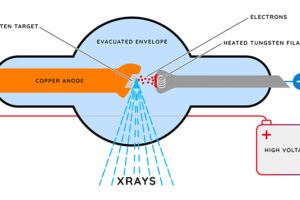
Portable units often used for scanning and imaging, emitting ionizing radiation to visualize internal structures. - Radioisotope devices:
Instruments utilizing unstable isotopes like Strontium-90 or Cesium-137, which emit beta or gamma radiation during decay. - Experimental laser systems:
Emerging technologies that may produce ionizing radiation or high-energy beams with potential applications and risks.
Mechanisms and Types of Radiation Emission
Handheld radiation sources operate by emitting ionizing radiation, which can disrupt atomic and molecular structures within biological tissues. The nature and energy of the emitted radiation vary depending on the device and isotope involved:
- Beta particles: High-speed electrons emitted by isotopes like Strontium-90, capable of penetrating skin and causing internal cellular damage.
- Gamma rays: Electromagnetic radiation of very high frequency, emitted by isotopes such as Cesium-137, with deep penetration ability and significant biological impact.
- X-rays: Produced by electronic devices, these rays can be focused or diffused, with potential for both diagnostic use and harmful exposure.
Notable Radioisotopes in Handheld Devices
Several isotopes are commonly associated with portable radiation sources due to their physical properties and availability:
- Strontium-90:
A byproduct of nuclear fission with a half-life of approximately 28.8 years, emitting beta radiation that can cause severe tissue damage upon exposure. - Cesium-137:
Known for its gamma radiation emission and widespread presence in nuclear waste, this isotope is a primary concern in radiological dispersal devices (RDDs), often referred to as “dirty bombs.”
Health Risks and Biological Effects
Exposure to radiation from handheld sources can lead to a spectrum of health issues, ranging from acute to chronic conditions. The severity depends on the dose, duration, and type of radiation:
- Acute Radiation Syndrome (ARS):
A serious illness caused by high doses of radiation over a short period, characterized by symptoms such as nausea, vomiting, fatigue, and damage to the hematopoietic and gastrointestinal systems. - Cellular and DNA damage:
Ionizing radiation can break chemical bonds, leading to mutations, cancer development, and impaired tissue function. - Psychological impact:
The fear and anxiety associated with radiation exposure can cause widespread social disruption and mental health challenges.
Dual-Use Nature of Handheld Radiation Technology
Radiation-emitting handheld devices possess a paradoxical character, serving both beneficial and potentially harmful roles:
- Medical applications:
Portable radiation therapy units are vital in treating cancers and other diseases, delivering targeted doses to malignant tissues. - Security and inspection:
X-ray scanners help detect contraband and ensure safety in transportation hubs. - Potential for misuse:
The same technologies can be repurposed for malicious activities, such as radiological attacks or unauthorized exposure.
Historical Context and Ethical Considerations
The misuse of radiation in handheld or portable forms has a documented history, highlighting the ethical dilemmas surrounding its deployment:
- Cold War era:
Secretive use of radioactive materials in warfare and espionage raised concerns about long-term environmental and health consequences. - Environmental contamination:
Radioactive fallout from improper handling or dispersal leads to bioaccumulation in ecosystems, affecting multiple generations. - Ethical debates:
Balancing technological progress with moral responsibility remains a critical challenge in radiation use and regulation.
Technological Advances and Security Challenges
Recent developments have increased accessibility to radiation technologies, raising new security concerns:
- Democratization of knowledge:
Open-source information and online resources enable individuals with minimal training to acquire dangerous expertise. - Proliferation risks:
The availability of isotopes and construction methods for radiation devices heightens the threat of radiological terrorism. - Regulatory needs:
Strengthening oversight and control measures is essential to prevent misuse and ensure public safety.
Common Misconceptions About Radiation Exposure
All radiation exposure is equally harmful.
The biological impact varies widely depending on radiation type, dose, and exposure duration.
Low-level radiation is completely safe.
Scientific consensus is divided; some low doses may carry risks, necessitating cautious safety protocols.
Radiation effects are immediate and always visible.
Some effects manifest long after exposure, complicating diagnosis and risk assessment.
Importance of Radiation Literacy and Public Awareness
Understanding radiation’s nature, risks, and safety measures is crucial for minimizing harm and fostering informed decision-making:
- Education:
Promoting accurate knowledge helps dispel myths and reduces unwarranted fear. - Preparedness:
Awareness of radiation types and protective actions enhances community resilience against potential incidents. - Policy support:
Informed citizens can advocate for effective regulations and responsible technology use.
Conclusion: Balancing Benefits and Risks
Handheld radiation sources embody a complex duality, offering transformative benefits in medicine and technology while posing significant hazards if misapplied. As society advances, it is imperative to foster a culture of responsible stewardship through education, stringent regulation, and ethical vigilance. Only by embracing this balanced approach can the immense power of radiation be harnessed safely, preventing misuse and safeguarding public health and the environment.
FAQ
What is the most destructive handheld radiation source?
Gamma-ray emitters using isotopes like Cesium-137 are the most destructive due to their high energy and deep penetration capabilities.
How do handheld radiation devices work?
They emit ionizing radiation such as beta particles, gamma rays, or x-rays that can penetrate materials and disrupt biological tissues.
What are the health effects of exposure to handheld radiation sources?
Exposure can cause acute radiation syndrome, DNA damage, increased cancer risk, and psychological effects.
Why is radiation literacy important?
Understanding radiation helps reduce fear, promotes safety, and supports effective regulation and responsible use.



Leave a Reply