
Short Answer
Understanding the Intersection of Art and Entropy
Art, in its diverse manifestations, has fascinated humanity by blending aesthetic delight with profound emotional impact. Beneath its captivating surface lies a complex connection to the scientific concepts of entropy and thermodynamics. Often perceived as chaotic or disorderly, art parallels the scientific notion of entropy, which quantifies the level of disorder within a system. This article explores how artistic creativity and thermodynamic principles converge, offering insights into impermanence, creativity, and the human experience.
Definition of Entropy and Its Scientific Context
In thermodynamics, entropy is a fundamental measure of how energy disperses within a system. According to the Second Law of Thermodynamics, in an isolated system, entropy naturally tends to increase, driving the system toward greater disorder and randomness. This principle not only governs physical phenomena but also invites reflection on the transient and ever-changing nature of life, a theme frequently echoed in artistic expression.
- Entropy:
A quantitative measure of disorder or randomness in a system. - Second Law of Thermodynamics:
States that entropy in a closed system will not decrease over time, leading to inevitable disorder. - Implications for Life and Art:
Highlights the impermanence and continuous transformation inherent in existence and creative works.
Artistic Movements Reflecting Entropy
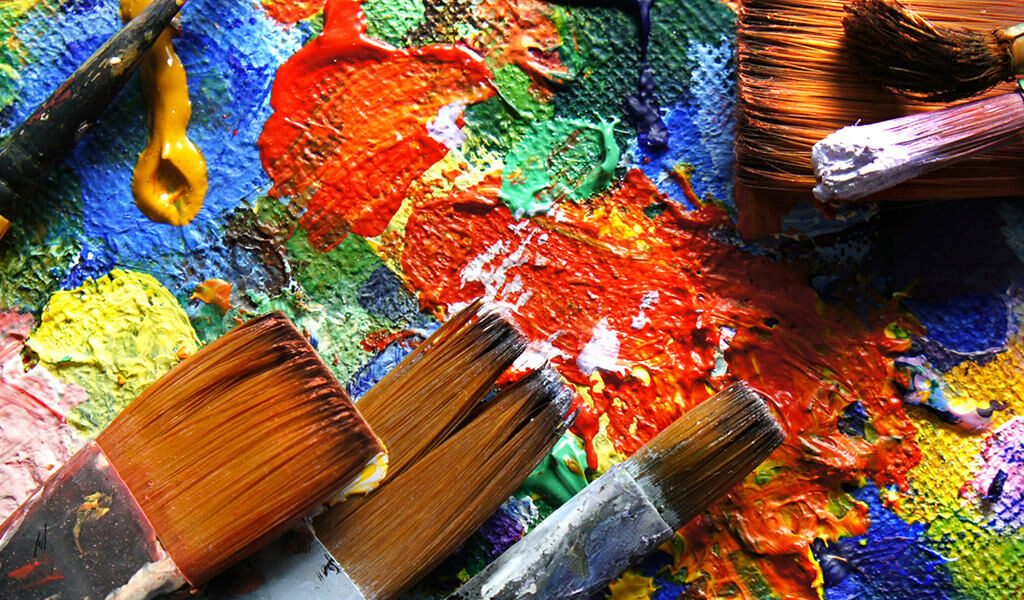
Abstract expressionism exemplifies the dynamic relationship between chaos and creativity. Artists like Jackson Pollock use spontaneous splatters and vigorous brushstrokes to embody disorder visually. From a thermodynamic perspective, these seemingly erratic patterns symbolize the unpredictable dispersal of energy and the natural progression toward higher entropy. Each stroke in Pollock’s work can be seen as a microcosm of the universe’s inherent unpredictability and the thermodynamic forces shaping it.
Order Versus Disorder in Artistic Creation
The creative process itself is a fascinating interplay between structure and randomness. Many artists deliberately incorporate elements of chance and spontaneity, echoing the concept of dissipative structures in thermodynamics-systems that maintain order while far from equilibrium. This balance between control and improvisation produces moments of profound beauty that resonate emotionally, mirroring life’s fluctuating states.
Traditional Art and the Imposition of Order
Contrasting with abstract expressionism, classical art forms such as those from the Renaissance period emphasize meticulous planning, proportion, and harmony. These works represent a conscious effort to impose order and balance. However, even these carefully crafted pieces are subject to entropy over time; environmental factors cause deterioration, fading, and decay, reminding us of the impermanence of beauty and the inevitable dominance of disorder.
Emotional and Philosophical Dimensions of Entropy in Art
Beyond physical decay, entropy resonates deeply within the emotional and psychological aspects of artistic creation. Artists often confront the paradox of creation intertwined with destruction, reflecting life’s dualities-birth and loss, fulfillment and longing. This tension embodies the thermodynamic principle of energy transfer, where every act of creation carries the risk of failure or dissolution, symbolizing the acceptance of entropy as part of the human condition.
Entropy in the Digital Age of Art
The advent of digital art introduces a new dimension to the concept of entropy. Although digital works do not physically degrade like traditional media, they face their own form of impermanence. Data loss, file corruption, and technological obsolescence create a digital entropy that parallels the aging of physical artworks. This highlights the paradox of digital art’s seemingly infinite existence versus its fragile, ephemeral nature.
Generative Art: The Dance of Order and Chaos
Generative art, created through algorithms, further illustrates the interplay between predictability and randomness. While algorithms follow defined rules, the outcomes often include unexpected variations, reflecting thermodynamic systems where order emerges amid increasing entropy. This fusion of structure and unpredictability opens new creative horizons and deepens the connection between art and scientific principles.
Philosophical Reflections on Art, Entropy, and Existence
The relationship between art and entropy invites profound philosophical inquiry into the nature of existence. Humans can be seen as artists of their own lives, painting experiences on a canvas marked by the inevitability of disorder. Each moment of inspiration or emotion contributes to the evolving masterpiece of life. In this context, art transcends mere reflection of chaos to become a symbol of resilience and beauty amid the relentless progression toward disorder.
Conclusion: The Enduring Bond Between Art and Entropy
The intricate connection between art and entropy weaves together themes of chaos, creation, and impermanence. By examining this relationship, we gain a richer understanding of both artistic expression and the fundamental laws governing the universe. In a world dominated by entropy, art stands as a testament to human perseverance and the celebration of beauty within the inevitable flow from order to disorder. This exploration deepens our appreciation of creativity and the remarkable journey of life itself.
FAQ
What is entropy in the context of art?
Entropy in art refers to the concept of disorder and impermanence, mirroring the thermodynamic principle where systems naturally progress toward greater randomness and decay, reflecting themes of chaos and transformation in creative expression.
How does thermodynamics relate to artistic creation?
Thermodynamics relates to artistic creation by illustrating the balance between order and disorder, where creative processes reflect energy dispersal and transformation, embodying spontaneity and structure much like dissipative systems.
What role does entropy play in digital art?
In digital art, entropy manifests as data loss, file corruption, and technological obsolescence, representing a form of impermanence despite the medium’s non-physical nature.
Which artistic movements best exemplify entropy?
Abstract expressionism, particularly through artists like Jackson Pollock, exemplifies entropy by visually representing chaos and unpredictability using spontaneous and vigorous techniques.


Leave a Reply